
El libro Headway - Avanzado - La Última Palabra (Unidad 7)
Aquí encontrarás el vocabulario de la unidad 7 The Last Word del libro de curso Headway Advanced, como "hang on", "live and learn", "cheer up", etc.
Revisión
Tarjetas de memoria
Ortografía
Cuestionario


to feel happy and satisfied

animarse, ponerse de mejor humor
El ambiente en la fiesta comenzó a animarse a medida que llegaba más gente.

used to refer to the conclusion or outcome of a situation or event
finalmente, al final
Al final, el proyecto fue un gran éxito, a pesar de los contratiempos.

to ask someone to wait briefly or pause for a moment
esperar un momento, detenerse un momento
Espera un segundo; necesito agarrar mi abrigo antes de irnos.
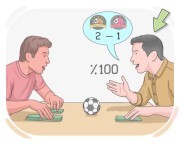
(of a person) having no doubt about something
seguro
used to refer to the positive or good aspects of a situation, even if other parts are not so good
por el lado bueno, lo bueno es que
El apartamento es pequeño; lo bueno es que está cerca del trabajo.
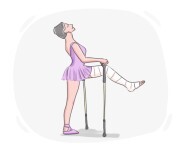
to manage to keep one's spirit and stay hopeful in the face of challenges and hardships
mantener el ánimo, no perder la esperanza
used to imply that making mistakes is a natural part of the learning process, and that one should not be discouraged by failure but instead use it as an opportunity for growth and improvement
Uno aprende de sus errores
Al final lo entenderás; después de todo, vivir y aprender.
used to imply that one must dare to take risks in order to achieve something or to be successful
Para alcanzar el éxito hay que estar dispuesto a asumir riesgos
used to mean that it is better to take action or complete a task, even if it is delayed, rather than not doing it at all
Más vale tarde que nunca
used to encourage someone who has just missed an opportunity or failed to succeed in a particular field
suerte para la próxima
Mejor suerte la próxima vez—lo conseguirás en el próximo intento.
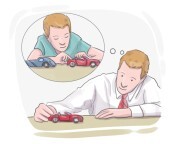
to think about or consider past events, experiences, or decisions
pensando en el pasado
Él miró hacia atrás en su carrera con orgullo, reflexionando sobre sus logros.
a situation or event that seems problematic or unfortunate at first but later results in something positive and pleasant
no hay mal que por bien no venga, un mal que salió bien
No pasar aquella entrevista fue un mal que vino para bien; un mes después conseguí un trabajo mucho mejor.
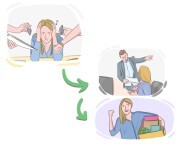
used for saying that something is going to be of advantage despite causing difficulty at the moment
para bien, quizá sea mejor así
Perder el contrato dolió, pero a la larga puede ser para bien.
used to say that once something has been completed or taken place, it cannot be altered or undone, and thus it is best to accept the outcome and move on
Lo hecho no se puede cambiar
used to suggest that when something is obtained or achieved easily, it is often lost or wasted just as easily
Lo que llega fácil, fácil se va
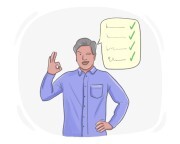
to conclude in a positive outcome
salir bien, tener un resultado positivo
La comunicación eficiente asegura que las tareas resulten sin problemas.
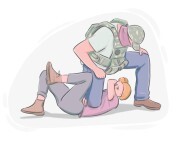
to physically attack someone, often with repeated blows
dar una paliza, apalear
El guardia de seguridad tuvo que golpear a la persona indisciplinada para mantener el orden.
