
Aklat Headway - Advanced - Ang Huling Salita (Yunit 7)
Dito mo makikita ang bokabularyo mula sa The Last Word Unit 7 sa Headway Advanced coursebook, tulad ng "hang on", "live and learn", "cheer up", atbp.
Repasuhin
Flashcards
Pagbaybay
Pagsusulit


to feel happy and satisfied

sumaya, gumanda ang pakiramdam
Ang atmospera sa party ay nagsimulang masaya habang dumadami ang taong dumating.

used to refer to the conclusion or outcome of a situation or event
sa huli, sa wakas
Sa huli, ang kanyang determinasyon ang nakatulong sa kanya upang magtagumpay.

to ask someone to wait briefly or pause for a moment
maghintay sandali, huminto sandali
Hiniling ng doktor sa pasyente na maghintay habang sinusuri nila ang mga resulta ng test.
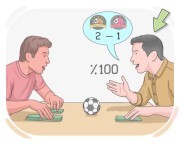
(of a person) having no doubt about something
tiyak, kumbinsido
used to refer to the positive or good aspects of a situation, even if other parts are not so good
sa magandang banda, ang maganda rito
Mahal ang biyahe, pero sa magandang banda, mahusay ang hotel.
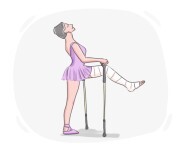
to manage to keep one's spirit and stay hopeful in the face of challenges and hardships
huwag panghinaan ng loob, manatiling positibo
used to imply that making mistakes is a natural part of the learning process, and that one should not be discouraged by failure but instead use it as an opportunity for growth and improvement
Natututo ang tao sa sariling pagkakamali
Hindi ko napagtanto kung gaano kahalaga na pamahalaan ang aking oras nang epektibo hanggang sa makaligtaan ko ang isang mahalagang deadline. Mabuhay at matuto, siguro.
used to imply that one must dare to take risks in order to achieve something or to be successful
Upang magtagumpay, kailangang handang sumugal
used to mean that it is better to take action or complete a task, even if it is delayed, rather than not doing it at all
Mas mabuti nang huli kaysa hindi kailanman
used to encourage someone who has just missed an opportunity or failed to succeed in a particular field
Mas swerte sa susunod, Better luck next time
Iyon ay isang matinding dagok, ngunit mas mabuting suwerte sa susunod.

to think about or consider past events, experiences, or decisions
lingon pabalik, alalahanin
Siya ay tumingin pabalik sa kanyang pagkabata nang may pagmamahal at nostalgia.
a situation or event that seems problematic or unfortunate at first but later results in something positive and pleasant
may mabuting dulot ang malas, kamalasang nauwi sa mabuti
Ang pagkawala ng trabahong iyon ay nauwi rin sa mabuti dahil napilitan akong magsimula ng sarili kong negosyo.
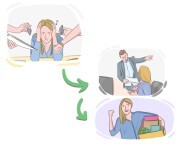
used for saying that something is going to be of advantage despite causing difficulty at the moment
para sa ikabubuti, baka mas mabuti
Mahirap umalis, pero malamang para sa ikabubuti iyon.
used to say that once something has been completed or taken place, it cannot be altered or undone, and thus it is best to accept the outcome and move on
Hindi na mababago ang nangyari
used to suggest that when something is obtained or achieved easily, it is often lost or wasted just as easily
Ang madaling makuha ay madali ring mawala

to conclude in a positive outcome
maging maayos sa huli, magkaroon ng positibong resulta
Tiyak ng episyenteng komunikasyon na magtagumpay nang maayos ang mga gawain.

to physically attack someone, often with repeated blows
bugbugin, gulpihin
Nagpatupad ang paaralan ng mahigpit na mga hakbang laban sa mga estudyanteng nambubugbog sa kanilang mga kapwa.
