pattern

Insight - Advanced - Unit 2 - 2C

Here you will find the vocabulary from Unit 2 - 2C in the Insight Advanced coursebook, such as "defendant", "jeopardize", "testimony", etc.

Review

Flashcards

Forms

Spelling

Quiz

Start learning
Insight - Advanced
to defend
to defend
[Verb]

to not let any harm come to someone or something

Ex: The brave soldier defended the country during the battle. 
Close
Sign in
defendant
defendant
[noun]

a person in a law court who is sued by someone else or is accused of committing a crime

Ex: The defendant pleaded not guilty to the charges of theft and fraud. 
Close
Sign in
to testify

to make a statement as a witness in court saying something is true

Ex: Witnesses are called to testify about what they saw during the accident. 
Close
Sign in
testimony
testimony
[noun]

a formal statement saying something is true, particularly made by a witness in court
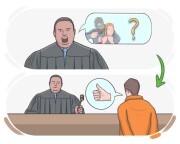
Ex: The witness provided compelling testimony that corroborated the victim's account. 
Close
Sign in
to plead
to plead
[Verb]

to state in a court of law, in front of the judge and the jury, whether someone is guilty or not guilty of a crime
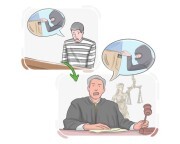
Ex: The defendant pleaded not guilty to the charges of robbery and assault. 
Close
Sign in
to confess

to admit, especially to the police or legal authorities, that one has committed a crime or has done something wrong

Ex: The suspect decided to confess to the crime during the police interrogation. 
Close
Sign in
confession

an acknowledgment of having committed a wrong, shameful, or embarrassing act

Ex: She made a confession about lying to her friend. 
Close
Sign in
to jeopardize

to put something or someone in danger

Ex: Releasing that confidential document might jeopardize our negotiations with the other firm. 
Close
Sign in
jeopardy
jeopardy
[noun]

in the risk of being harmed, damaged, or destroyed
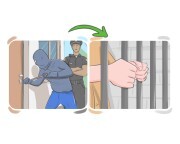
Ex: His reckless behavior often placed him in jeopardy. 
Close
Sign in
to penalize

to impose a punishment on someone for a wrongdoing or violation

Ex: The school may penalize students for plagiarism by giving them a lower grade. 
Close
Sign in
penalty
penalty
[noun]

a punishment given for breaking a rule, law, or legal agreement

Ex: If you fail to file your taxes on time, you will incur a penalty. 
Close
Sign in
to prosecute

to try to charge someone officially with a crime in a court as the lawyer of the accuser

Ex: The lawyer was hired to prosecute the case on behalf of the victim’s family. 
Close
Sign in
prosecution

the process of bringing someone to court in an attempt to prove their guilt

Ex: The lengthy prosecution involved several months of court hearings. 
Close
Sign in
to absolve

to release someone from blame, guilt, or obligation, clearing them of any wrongdoing

Ex: Recognizing the misunderstanding, the manager chose to absolve the employee from blame. 
Close
Sign in
acquittal
acquittal
[noun]

an official judgment in court of law that declares someone not guilty of the crime they were charged with

Ex: The defendant was relieved to receive an acquittal after a lengthy trial, as the jury found them not guilty of all charges. 
Close
Sign in
to acquit
to acquit
[Verb]

to officially decide and declare in a law court that someone is not guilty of a crime
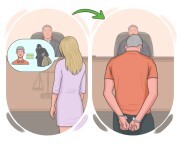
Ex: The company was accused of wrongdoing, but after a thorough investigation, they were acquitted of any illegal activities. 
Close
Sign in
to implicate

to involve or suggest someone's participation or connection in a crime or wrongdoing

Ex: Witness testimony served to implicate the suspect in the bank robbery. 
Close
Sign in
to exonerate

to clear someone from blame or responsibility for a wrongdoing or crime, often through evidence

Ex: The newly discovered evidence served to exonerate the wrongly accused individual. 
Close
Sign in
to remand
to remand
[Verb]

to send a case back to a court of lower authority for additional reconsideration or review
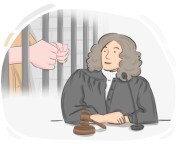
Ex: The appellate court remanded the case to the lower court for further proceedings. 
Close
Sign in
to convict

to announce officially that someone is guilty of a crime in a court of law

Ex: The jury deliberated and decided to convict the defendant of murder. 
Close
Sign in
to detain
to detain
[Verb]

to officially hold someone in a place, such as a jail, and not let them go

Ex: The immigration officers have the authority to detain individuals entering the country illegally. 
Close
Sign in
to release

to let someone leave a place in which they have been confined or stuck

Ex: The zoo decided to release the rehabilitated animals back into the wild. 
Close
Sign in
LanGeek
Download LanGeek app