
Verbos de Acción Verbal - Verbos para la crítica y la desaprobación
Aquí aprenderás algunos verbos en inglés que se refieren a la crítica y la desaprobación, como "culpar", "regañar" y "reprochar".
Revisión
Tarjetas de memoria
formas
Ortografía
Cuestionario

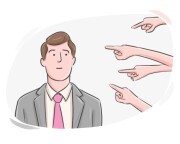
to say or feel that someone or something is responsible for a mistake or problem

culpar, echar la culpa a
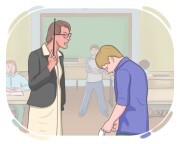
to express disapproval of someone or something by pointing out faults or weaknesses
criticar

to express strong disapproval of someone or something, especially publicly
desacuerdo con algo fuertemente

to criticize a book, film, performance, or other work very severely
destrozar, vapulear

to keep treating someone unfairly or making unfair remarks about them
tratar repetidamente a alguien de forma injusta, burlarse o criticar injustamente a alguien repetidamente
Ella sentía que sus colegas siempre se metían con ella por su sentido único de la moda.

to keep criticizing or complaining to someone about their behavior, work, or actions
criticar o quejarse continuamente a alguien, regañar repetidamente a alguien por su conducta o trabajo
El jefe se ensaña con los empleados por su falta de productividad.

to speak negatively about someone or something in a way that makes them seem inferior or weak
desprestigiar, criticar
Los críticos despreciaron la película, citando un guión pobre y actuaciones mediocres.
to publicly express one's disapproval of something or someone
denunciar, condenar
El líder denunció las políticas discriminatorias y pidió inclusividad.
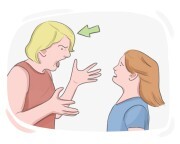
to criticize or punish someone harshly
criticar o castigar duramente a alguien, actuar duramente contra alguien
El entrenador se ensañó con los jugadores por su falta de esfuerzo durante el partido.
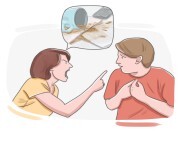
to criticize in a severe and harsh manner
regañar, reprender
Si el comportamiento continúa, el entrenador regañará a los jugadores durante el próximo entrenamiento.
to put blame on someone or something for a mistake or problem
considerar a alguien responsable
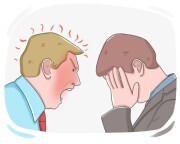
to criticize someone angrily and harshly
reprender
El entrenador reprendió al equipo por su falta de esfuerzo durante el juego crucial.
to severely criticize or scold someone for their actions or behaviors
reprender
El CEO fue reprimido por la junta por irregularidades financieras.
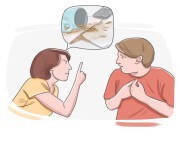
to strongly criticize someone for their actions or words
reprender
El supervisor probablemente reprenderá a cualquiera que se encuentre violando el acuerdo de confidencialidad.

to intentionally make harmful statements to damage a person or thing's worth or reputation
denigrar
En una discusión acalorada, ella denigró a su compañero de trabajo, haciendo acusaciones falsas para dañar su reputación profesional.

to severely criticize, often with the intention of correcting someone's behavior or actions
reprender
El entrenador reprendió al equipo por su falta de esfuerzo durante el partido crucial.

to say bad and untrue things about someone, typically to damage their reputation
calumniar a
Los críticos difamaron la personalidad extrovertida del cantante después de varios escándalos.

to express mild disapproval, often in a gentle or corrective manner
reprender
El entrenador reprendió al equipo por su falta de trabajo en equipo durante el partido crucial.
to strongly and harshly criticize someone or something
castigar
Descontento con la calidad del producto, el cliente criticó duramente a la empresa en la reseña en línea.
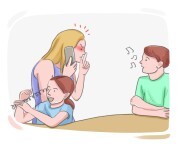
to blame someone for a mistake they made
reprochar
En lugar de gritar, el gerente optó por reprochar al empleado en privado por el error en el informe.
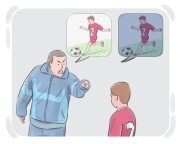
to criticize someone for doing or saying something that one believes to be wrong
reprender
Descontento con el servicio, el cliente reprendió al camarero por los errores en el pedido.
to criticize someone for their actions or behavior, often implying a need for correction
reprobar
Después del percance, el padre reprendió a su hijo por derramar jugo en la alfombra.

to criticize severely, often with strong language
criticar severamente, fustigar
Frustrado con el desempeño del equipo, el entrenador lambastó a los jugadores en el vestuario.
