


言語行動の動詞 - 批判と不承認のための動詞

ここでは、「責める」、「叱る」、「非難する」など、批判と不承認を指すいくつかの英語の動詞を学びます。

review-disable

レビュー

flashcard-disable

フラッシュカード

spelling-disable

綴り

quiz-disable

クイズ

学習を開始
言語行動の動詞
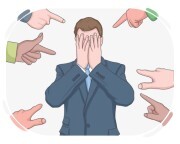
to blame [動詞]
اجرا کردن

責める

Ex: The teacher decided to blame the entire class for the disruption , even though only a few students were involved .

教師は、混乱の責任をクラス全体に負わせることに決めたが、関与したのは数人の生徒だけだった。
اجرا کردن

批判する

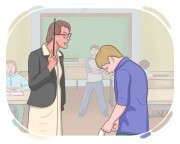
Ex: The teacher criticized the student 's essay for its lack of organization and clarity .

教師は、学生のエッセイをその組織性と明確さの欠如について批判した

to condemn [動詞]
اجرا کردن

非難する

Ex: The community leaders condemned the act of vandalism in a public statement .

コミュニティのリーダーたちは、公開声明で破壊行為を非難しました。

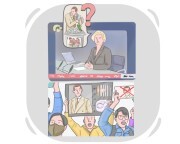
to pan [動詞]
اجرا کردن

酷評する

Ex: The movie critic panned the new film , citing poor acting and a weak storyline .

映画評論家は、演技が貧弱でストーリーが弱いと指摘し、その新しい映画を酷評した

to pick on [動詞]
اجرا کردن

いじめる

Ex: It 's not nice to pick on your younger brother just because he 's smaller than you .

あなたより小さいからといって、弟をいじめるのはよくないことです。

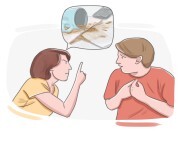
to go on at [動詞]
اجرا کردن

しつこく批判する

Ex: She goes on at him continually for being late to work .

彼女は彼が仕事に遅刻するたびに文句を言う

to run down [動詞]
اجرا کردن

けなす

Ex: She ran down the new policy, questioning its effectiveness during the meeting.

彼女は会議中に新しい政策をけなして、その効果を疑問視した。

to denounce [動詞]
اجرا کردن

非難する

Ex: The activist group denounced the government 's decision to cut funding for education .

活動家グループは、教育資金を削減する政府の決定を非難した。

اجرا کردن

厳しく批判する

Ex: The teacher came down on the students for not completing their assignments on time .

先生は課題を時間通りに終わらせなかったことで生徒たちを叱りつけた

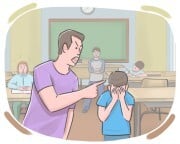
to scold [動詞]
اجرا کردن

叱る

Ex: The manager scolds employees who consistently arrive late to work .

マネージャーは、仕事に遅刻しがちな従業員を叱責します。

to fault [動詞]
اجرا کردن

非難する

Ex: She tends to fault others without considering her own mistakes .

彼女は自分の過ちを考慮せずに他人を非難する傾向がある。

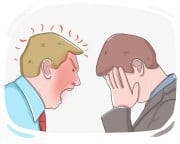
to berate [動詞]
اجرا کردن

叱責する

Ex: The manager berated the employee for the repeated mistakes in the project report .

マネージャーはプロジェクト報告書での繰り返しのミスのために従業員を叱責した

اجرا کردن

叱責する

Ex: The supervisor frequently reprimands team members for unprofessional conduct .

監督者は、非専門的な行為のために頻繁にチームメンバーを叱責します

to rebuke [動詞]
اجرا کردن

叱る

Ex: She frequently rebukes her children for not completing their chores on time .

彼女は子供たちが時間通りに家事を終わらせないことを頻繁に叱責します。

اجرا کردن

中傷する

Ex: The tabloid newspaper consistently denigrated the celebrity , spreading false rumors to tarnish their reputation .

タブロイド紙は有名人を一貫して中傷し、虚偽の噂を広めてその評判を傷つけた。

to chastise [動詞]
اجرا کردن

叱る

Ex: The teacher chastised the student for disrupting the class with loud behavior .

教師は、騒がしい行動でクラスを混乱させた生徒を叱責した

to malign [動詞]
اجرا کردن

中傷する

Ex: They believed he had maligned them to advance his own career .

彼らは、彼が自分のキャリアを進めるために彼らを中傷したと信じていました。

to chide [動詞]
اجرا کردن

叱る

Ex: The teacher chided the student for talking loudly during the exam .

先生は試験中に大声で話した生徒を叱責しました。

اجرا کردن

叱責する

Ex: The manager castigated the employee for consistently failing to meet deadlines .

マネージャーは締め切りを守れない社員を叱責した

to reproach [動詞]
اجرا کردن

非難する

Ex: Disappointed by his actions , she could n't help but reproach her brother for neglecting his responsibilities .

彼の行動に失望し、彼女は責任を怠った弟を非難せずにはいられなかった。

to upbraid [動詞]
اجرا کردن

叱責する

Ex: The teacher upbraided the student for cheating on the exam .

先生は試験でカンニングした生徒を叱責した。

to reprove [動詞]
اجرا کردن

叱る

Ex: The teacher reproved the student for talking during the lecture .

先生は講義中に話をしたことで生徒を叱責した

to lambast [動詞]
اجرا کردن

酷評する

Ex: The film critic lambasted the movie for its poor script and lackluster performances.

映画評論家は、貧弱な脚本と精彩を欠いた演技のためにその映画を激しく批判した