pattern

Failure - Defamation & Unpopularity

Explore English idioms regarding defamation and unpopularity with examples like "nine day wonder" and "fall from grace".

Review

Flashcards

Quiz
Start learning
English idioms related to Failure
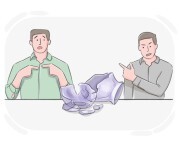
to [drag] {one's} name through the (mud|mire)

to make unfavorable remarks about someone
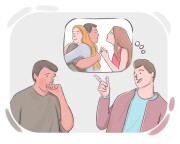
Ex: His former partner dragged his name through the mud after the breakup. 
Close
Sign in
dirt on {sb}

the action of publishing or spreading unpleasant details about someone's private life in order to negatively impact the public's opinion of them
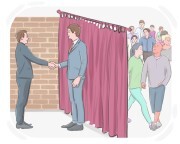
Ex: The journalist claimed to have dirt on the senator. 
Close
Sign in
dirty (linen|laundry)
dirty linen
[phrase]

one's personal matters that if shared with others could make one embarrassed or ashamed
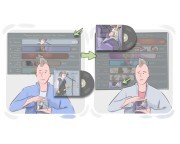
Ex: The family did not want their dirty laundry discussed in public. 
Close
Sign in
nine day wonder

something that receives a lot of attention for a short time, but is soon forgotten
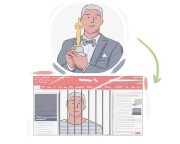
Ex: The scandal was a nine day wonder; a week later, no one talked about it. 
Close
Sign in
to [fall] from grace

to lose favor, respect, or a position of high regard due to a significant mistake, scandal, or failure

Ex: The minister fell from grace after the corruption scandal. 
Close
Sign in
to [lay] a glove on {sb/sth}

to cause a loss of respect or reputation for a person or thing

Ex: The accusations did not lay a glove on his reputation. 
Close
Sign in
to [lose] face
to lose face
[phrase]

to do something that causes others to have less respect for one

Ex: He lost face when he admitted the report was full of errors. 
Close
Sign in
loss of face
loss of face
[phrase]

the state of losing all the respect others had for one because of one's actions
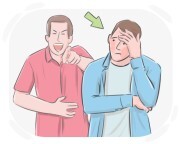
Ex: The public apology helped reduce the loss of face. 
Close
Sign in
{one's} name [is] mud

used when one says or does something that makes one disgraced or discredited

Ex: After he lied to the clients, his name was mud at the company. 
Close
Sign in
out of season

used to refer to something is not currently appropriate, popular, or available due to being outside of its usual time or season

Ex: His joke felt out of season during such a serious meeting. 
Close
Sign in
to [get] the bird

to be subjected to disapproval, rejection, or criticism from others, often through booing

Ex: The comedian got the bird after telling a tasteless joke. 
Close
Sign in
to [blot] {one's} copybook

to make a mistake that brings about a negative consequence
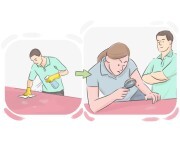
Ex: He blotted his copybook by missing the deadline. 
Close
Sign in
to [pick] holes in {sth}

to find the flaws and weaknesses of something, like a plan, action, or idea
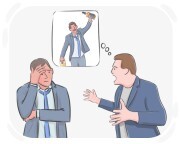
Ex: The committee picked holes in the proposal before approving it. 
Close
Sign in
to [make] an ass (out|) of {sb}

to make someone appear foolish or ridiculous in front of others
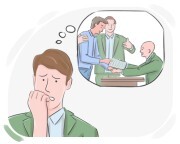
Ex: He made an ass of his colleague by correcting him loudly in the meeting. 
Close
Sign in
to [put|have] {one's} [head|neck] on the block

to take a particular course of action that endangers one's reputation or position
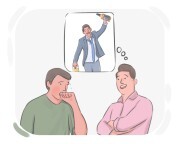
Ex: She put her head on the block by approving the risky plan. 
Close
Sign in
to [make] an exhibition of {oneself}

to behave in an embarrassing or foolish manner in front of other people, in a way that that makes them mock one
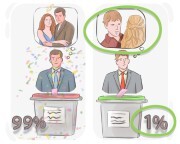
Ex: He made an exhibition of himself by shouting at the waiter. 
Close
Sign in
black eye
black eye
[noun]

a negative perception of someone or something

Ex: The scandal gave the company a black eye. 
Close
Sign in
black [mark] against {sb}

a mistake, wrongdoing, or unfavorable incident that damages someone's reputation, record, or standing and may negatively affect how others judge them

Ex: The employee's repeated lateness was a black mark against him when management considered candidates for promotion. 
Close
Sign in
blot on {one's} escutcheon

an embarrassing or disgraceful act, incident, or circumstance that damages someone's reputation, honor, or previously respectable record

Ex: The financial scandal was a serious blot on the senator's escutcheon after decades of distinguished public service. 
Close
Sign in
public enemy number one

a person or thing regarded as the most hated, unpopular, or strongly condemned within a particular group or society, especially because of perceived wrongdoing or harmful effects

Ex: After the corruption scandal, the former mayor became public enemy number one among the city's residents. 
Close
Sign in
persona non grata

a person who is no longer welcome or accepted within a particular group, organization, or community, especially because of their behavior, opinions, or actions

Ex: After betraying his colleagues' trust, the former manager became persona non grata at company gatherings. 
Close
Sign in
hatchet job

a deliberately harsh, malicious, or unfair attack on someone's reputation, work, or achievements, especially one that uses misleading accusations or distorted information to discredit them

Ex: The actor dismissed the newspaper article as a hatchet job designed to destroy his reputation. 
Close
Sign in
character assassination

the deliberate destruction or damaging of someone's reputation through false accusations, malicious criticism, or the distortion of their words, actions, or personal history

Ex: The candidate accused her political opponents of character assassination after they spread misleading stories about her private life. 
Close
Sign in
smear [campaign]

a planned and sustained effort to damage someone's reputation or credibility by spreading false, misleading, or deliberately damaging information about them
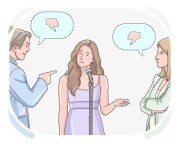
Ex: The politician claimed that her opponents had launched a smear campaign to undermine her chances of winning the election. 
Close
Sign in
bad rap
bad rap
[noun]

unfair criticism or blame

Ex: The singer got a bad rap for something she didn't do. 
Close
Sign in
in the wilderness

no longer holding a position of power, influence, or public prominence, especially after losing political authority, popularity, or professional success

Ex: After losing the election, the former prime minister spent several years in the political wilderness. 
Close
Sign in
in bad odour
in bad odour
[phrase]

regarded unfavorably or with disapproval by a particular person or group, especially because of behavior that has damaged one's reputation or standing

Ex: The manager was in bad odour with senior executives after repeatedly missing important deadlines. 
Close
Sign in
to [tar] and [feather] {sb}

to subject someone to severe public criticism, humiliation, or condemnation, especially as punishment for behavior considered unacceptable

Ex: The newspapers tarred and feathered the minister after investigators uncovered evidence of corruption. 
Close
Sign in
tarring and feathering

the act of subjecting someone to harsh public criticism, humiliation, or condemnation, especially in response to perceived wrongdoing or failure

Ex: The politician faced a public tarring and feathering after the scandal became national news. 
Close
Sign in
dirty word

a word, subject, idea, or practice that is strongly disliked, rejected, or regarded as unacceptable within a particular group or society

Ex: Compromise is a dirty word in that office. 
Close
Sign in
to [sling|throw|hurl] mud at {sb}

to make damaging accusations or spread negative information about someone, especially in an attempt to harm their reputation or discredit them

Ex: The opposition candidate was accused of slinging mud at her rivals instead of explaining her own policies. 
Close
Sign in
to [damn] {sb/sth} with faint praise

to express criticism or disapproval indirectly by praising someone or something so weakly or unenthusiastically that the praise suggests a lack of real merit

Ex: She damned his performance with faint praise, calling it "better than expected." 
Close
Sign in
to [blacken] {one's} name

to damage or destroy someone's good reputation by spreading accusations, negative stories, or other information that causes others to think badly of them

Ex: The former employee attempted to blacken her manager's name by spreading false allegations of misconduct. 
Close
Sign in
whispering [campaign]

a secretive or indirect effort to damage someone's reputation by deliberately spreading harmful rumors, insinuations, or unverified accusations, especially without openly identifying those responsible

Ex: The candidate accused her political opponents of organizing a whispering campaign about her private life. 
Close
Sign in
to [poison] {one's} [mind] against {sb}

to deliberately influence someone's thoughts or feelings so that they develop distrust, hostility, or resentment toward another person or group, often by spreading misleading or negative information

Ex: The propaganda was designed to poison young people's minds against neighboring countries. 
Close
Sign in
to [name] and [shame]

to publicly identify and criticize individuals or organizations for engaging in inappropriate or unethical behavior in order to hold them accountable for their actions or punish them

Ex: The newspaper plans to name and shame corrupt officials in its next issue. 
Close
Sign in
naming and shaming

the practice of publicly identifying and criticizing people or organizations for wrongdoing or unacceptable behavior, especially to expose them to disapproval, embarrassment, or pressure to change

Ex: The government introduced a policy of naming and shaming companies that failed to comply with environmental standards. 
Close
Sign in
lightning rod

a person, organization, or issue that attracts a great deal of criticism, anger, or controversy, often becoming the main target of public dissatisfaction

Ex: The mayor became a lightning rod for public anger over the budget cuts. 
Close
Sign in
whipping [boy]
whipping boy
[phrase]

a person or group that is repeatedly blamed, criticized, or punished for the mistakes, failures, or problems of others, often unfairly

Ex: The junior accountant became the department's whipping boy whenever senior managers made financial mistakes. 
Close
Sign in
yesterday's news

a person, event, idea, or subject that is no longer considered interesting, important, fashionable, or relevant, especially after previously attracting considerable attention

Ex: The singer was once a major celebrity, but critics now regard him as yesterday's news. 
Close
Sign in
LanGeek
Download LanGeek app