


the unexpected start of something terrible, such as a disease

شیوع, همهگیری، فراگیری

a loud, sustained noise or shout of disapproval, protest, or outrage
فریاد اعتراض, داد
با اعلام سیاست جدید، بلافاصله اعتراضی صورت گرفت.
to stay alive for a longer period of time than others in a particular situation
بیشتر زنده ماندن
علیرغم رشد رسانههای دیجیتال، کتابهای چاپی پیشبینیهای نابودی خود را پشت سر گذاشتهاند.

a person who operates outside the boundaries of established rules and may engage in illegal activities
مجرم, قانونشکن
در دهه 1920، آل کاپون به عنوان یک قانونشکن مستقر در شیکاگو که در جنایت سازمانیافته درگیر بود، شهرت یافت.
a military camp situated far from the main army of troops
پایگاه مرزی
در میان منطقه خصمانه، پاسگاه منزوی یک پایگاه امن برای حفظ کنترل بر منطقه فراهم کرد.
using power or authority in a cruel and oppressive way against other people
ظالمانه, مستبدانه
در طول تاریخ، جوامع علیه رژیمهای ستمگر به دنبال آزادی و برابری قیام کردهاند.
a type of government where a ruler or a small group of people have complete power and control over the citizens, often making decisions without considering their rights or welfare
حکومت مستبد, حکومت خودکامه
در طول تاریخ، بشریت با نیروی مخرب استبداد دست و پنجه نرم کرده است، در حالی که افراد قدرتطلب به دناس تحت سلطه درآوردن و کنترل دیگران هستند.
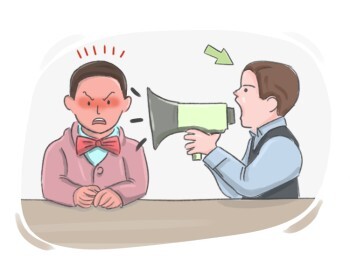
to deeply irritate someone, especially when they can do nothing about it or solve the problem
خشمگین کردن, برانگیختن
ترافیک بیپایان در شهر مسافران را عصبانی میکند، که منجر به افزایش استرس و ناامیدی میشود.
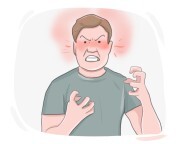
a deep sense of annoyance due to persistent difficulties
عصبانیت, خشم
قطع کردنهای مداوم او و بیاعتنایی به نظرات دیگران او را پر از خشم کرد.
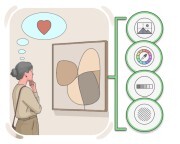
the particular characteristics that are considered when evaluating something
معیارها, ملاکها
providing knowledgeable judgments and opinions about the positive and negative aspects of something
منتقدانه
از دیدگاه استراتژیک، مدیرعامل دیدگاه انتقادی را اتخاذ کرد، شرایط بازار و عوامل رقابتی را قبل از اتخاذ تصمیمات مهم تجاری ارزیابی کرد.
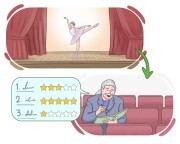
to carefully examine something in a detailed manner
نقد کردن, انتقاد کردن
a powerful or respected man who serves as the head of a family or tribe
بزرگخاندان
در طول نسلها، پسر ارشد خانواده نقش پدرسالار را به ارث برد، میراث اجداد خود را ادامه داد و ارزشهای آنها را حفظ کرد.
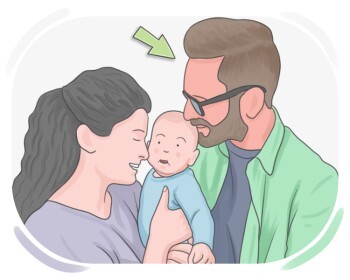
having qualities or behaviors typically associated with a father, particularly in a caring, supportive, or protective manner
پدرانه
یکی از ارزشمندترین توصیههای پدرانهای که دریافت کرد، اولویت دادن به تحصیلاتش و هرگز دست از یادگیری نکشیدن بود.
a person belonging to the highest social class or aristocracy in certain societies
اعیان, اشرافزاده
در سیستم فئودالی، زمین عمدتاً متعلق به اشراف بود، در حالی که دهقانان در مزارع کار میکردند.
a property passed down from a father to his children by right of birth
ارث پدری
پس از درگذشتش، رئیس خانواده داراییهای مالی خود را بین فرزندانش به عنوان بخشی از میراث آنها تقسیم کرد.
the feeling of love or devotion toward one's country, its values, culture, history, and interests
میهندوستی, میهنپرستی، وطنپرستی
میهنپرستی عمیق او در تعهدش به یادگیری و صحبت کردن به زبان مادری سرزمینش منعکس شد، چرا که او معتقد بود حفظ میراث زبانی و هویت فرهنگی مردمش ضروری است.
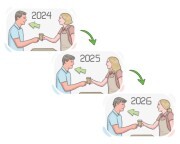
an individual who regularly visits and uses a specific establishment, such as a shop, restaurant, or other business
مشتری ثابت, مشتری همیشگی
to speak or behave in a way that implies that one is more knowledgeable, experienced, or intelligent than the other person
رفتار ازبالابهپایین داشتن, رفتار تحقیرآمیز داشتن
فروشنده با تحقیر با مشتری رفتار میکرد، و باعث میشد او احساس حقارت و ناکافی بودن کند.
derived from the name of one's father or a male ancestor
بر اساس نام پدری, نام خانوادگی، پدر نامی، مشتق از نام پدر
نام پدری او به خط خانوادگی پدرش برمیگردد.
