


the unexpected start of something terrible, such as a disease

wybuch, epidemia
Naukowiec badał wybuch, aby zrozumieć jego przyczynę i rozprzestrzenianie się.
a loud, sustained noise or shout of disapproval, protest, or outrage
krzyk, protest
Ustawa wywołała oburzenie wśród aktywistów w całym kraju.
to stay alive for a longer period of time than others in a particular situation
przetrwać, wytrzymać dłużej
Miała silny układ odpornościowy, który pozwolił jej przetrwać grypę, podczas gdy inni wokół niej chorowali.

a person who operates outside the boundaries of established rules and may engage in illegal activities
przestępca, bandyta
W czasach Dzikiego Zachodu wielu przestępców szukało schronienia w odległych kryjówkach, aby uniknąć organów ścigania.
a military camp situated far from the main army of troops
placówka, strażnica
Strategicznie rozmieszczony wzdłuż granicy, posterunek działał jako czujna strażnica, zapewniając bezpieczeństwo narodowe.
using power or authority in a cruel and oppressive way against other people
tyrański, despotyczny
Pod żelaznym uściskiem tyrańskiego władcy niewinni ludzie byli poddawani arbitralnym aresztowaniom, torturom i długotrwałemu przetrzymywaniu.
a type of government where a ruler or a small group of people have complete power and control over the citizens, often making decisions without considering their rights or welfare
tyrania, despotyzm
W obliczu tyranii odważni ludzie stanęli w obronie sprawiedliwości i walczyli z reżimem opresyjnym, ryzykując życie, by przynieść wolność.
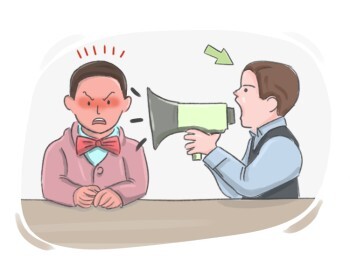
to deeply irritate someone, especially when they can do nothing about it or solve the problem
irytować, doprowadzać do wściekłości
Jego powtarzająca się porażka w prawidłowym przestrzeganiu instrukcji rozwścieczyła jego szefa, który musiał ciągle poprawiać jego błędy.
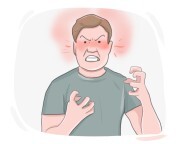
a deep sense of annoyance due to persistent difficulties
irytacja
Z każdą nieudaną próbą jej irytacja rosła, sprawiając, że zastanawiała się, czy sukces jest w ogóle możliwy.
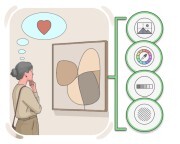
the particular characteristics that are considered when evaluating something
kryteria, parametry
providing knowledgeable judgments and opinions about the positive and negative aspects of something
krytyczny, analityczny
Film otrzymał krytyczne uznanie za prowokującą do myślenia narrację i mocne występy.
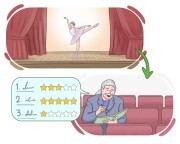
to carefully examine something in a detailed manner
krytykować, analizować
W ramach warsztatów uczestnicy byli zachęcani do krytykowania prezentacji swoich kolegów, oferując konstruktywne uwagi w celu udoskonalenia.
a powerful or respected man who serves as the head of a family or tribe
patriarcha, głowa rodziny
W gospodarstwie domowym patriarcha był najwyższą władzą, podejmując ważne decyzje kształtujące przyszłość rodziny.
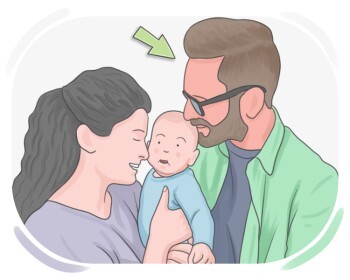
having qualities or behaviors typically associated with a father, particularly in a caring, supportive, or protective manner
ojcowski, paternalny
Jego ojcowska miłość i wsparcie były widoczne w sposobie, w jaki świętował osiągnięcia swoich dzieci i pocieszał je w chwilach rozczarowania.
a person belonging to the highest social class or aristocracy in certain societies
patrycjusz, arystokrata
W średniowiecznej Europie patrycjusze wyróżniali się swoim bogatym stylem życia, luksusowymi rezydencjami i wyłącznym dostępem do edukacji oraz zasobów kulturowych.
a property passed down from a father to his children by right of birth
dziedzictwo, ojcowizna
W niektórych kulturach ziemia i własność są uważane za istotne składniki dziedzictwa i są starannie zachowywane.
the feeling of love or devotion toward one's country, its values, culture, history, and interests
patriotyzm
Nieugięty patriotyzm Johna skłonił go do służby w wojsku, broniąc wartości i wolności swojego kraju.
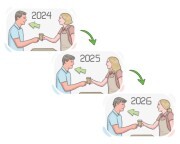
an individual who regularly visits and uses a specific establishment, such as a shop, restaurant, or other business
klient, stały bywalec
Jako lojalna klientka osiedlowej księgarni, często spędzała godziny na przeglądaniu półek i dyskutowaniu o rekomendacjach książek z personelem.
to speak or behave in a way that implies that one is more knowledgeable, experienced, or intelligent than the other person
traktować z góry, patronować
Czuję, że traktuje mnie z góry przez swoje ciągłe próby wyjaśniania mi rzeczy, jakbym nie był w stanie zrozumieć.
derived from the name of one's father or a male ancestor
patronimiczny, pochodzący od imienia ojca
Wiele języków słowiańskich używa konwencji nazewnictwa patronimicznego zamiast nazwisk.
