


the unexpected start of something terrible, such as a disease

вспышка
Внезапная вспышка гриппа вызвала широкую панику в городе.
a loud, sustained noise or shout of disapproval, protest, or outrage
выкрик
Со всех уголков общества раздался единый крик протеста против несправедливого обращения с маргинальными сообществами.
to stay alive for a longer period of time than others in a particular situation
пережить
Несмотря на рост цифровых медиа, печатные книги пережили прогнозы о своей гибели.

a person who operates outside the boundaries of established rules and may engage in illegal activities
преступник
В 1920-х годах Аль Капоне получил известность как преступник, базирующийся в Чикаго, вовлеченный в организованную преступность.
a military camp situated far from the main army of troops
аванпост
В центре враждебного региона изолированный аванпост обеспечивал надежную опору для поддержания контроля над территорией.
using power or authority in a cruel and oppressive way against other people
тиранический
На протяжении истории общества восставали против тиранических режимов в стремлении к свободе и равенству.
a type of government where a ruler or a small group of people have complete power and control over the citizens, often making decisions without considering their rights or welfare
тирания
На протяжении всей истории человечество боролось с разрушительной силой тирании, когда жаждущие власти личности стремились подчинить и контролировать других.
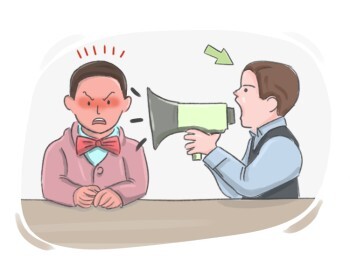
to deeply irritate someone, especially when they can do nothing about it or solve the problem
раздражать
Бесконечные пробки в городе раздражают пассажиров, что приводит к усилению стресса и разочарования.
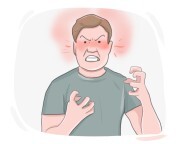
a deep sense of annoyance due to persistent difficulties
гнев
Его постоянные перебивания и пренебрежение мнением других наполнили ее раздражением.
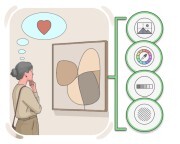
the particular characteristics that are considered when evaluating something
критерии, параметры
providing knowledgeable judgments and opinions about the positive and negative aspects of something
критический
Критический анализ данных выявил важные тенденции и закономерности.
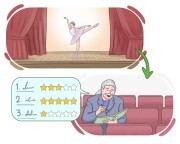
to carefully examine something in a detailed manner
критиковать
Её работа была широко критикована и проанализирована учёными в этой области.
a powerful or respected man who serves as the head of a family or tribe
старейшина
На протяжении поколений старший сын семьи наследовал роль патриарха, продолжая наследие своих предков и поддерживая их ценности.
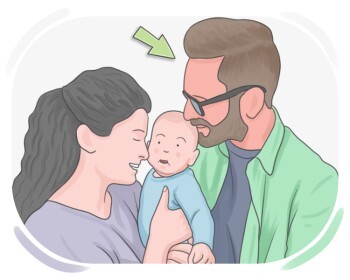
having qualities or behaviors typically associated with a father, particularly in a caring, supportive, or protective manner
отцовский
Один из самых ценных отцовских советов, которые он получил, заключался в том, чтобы уделять первостепенное внимание своему образованию и никогда не прекращать учиться.
a person belonging to the highest social class or aristocracy in certain societies
патрицианский, аристократический
В феодальной системе земля преимущественно принадлежала патрициям, в то время как крестьяне работали на полях.
a property passed down from a father to his children by right of birth
вотчина
После его смерти патриарх разделил свои финансовые активы между своими детьми в качестве их наследства.
the feeling of love or devotion toward one's country, its values, culture, history, and interests
патриотизм, национализм
Его глубокая патриотичность отражалась в его стремлении изучать и говорить на родном языке своей родины, так как он считал, что это важно для сохранения языкового наследия и культурной идентичности своего народа.
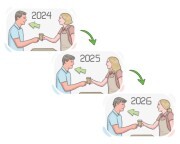
an individual who regularly visits and uses a specific establishment, such as a shop, restaurant, or other business
постоянный клиент
Один из самых ценных клиентов ресторана, мистер Джонсон, ужинал там каждый вечер пятницы на протяжении последнего десятилетия.
to speak or behave in a way that implies that one is more knowledgeable, experienced, or intelligent than the other person
покровительствовать
Продавец снисходительно относился к покупателю, заставляя его чувствовать себя неполноценным и неадекватным.
derived from the name of one's father or a male ancestor
образованный от имени отца
Её отчество восходит к семейной линии её отца.
