


SAT Word Skills 2 - Lesson 6

review-disable

review

flashcard-disable

flashcard

spelling-disable

spelling

quiz-disable

quiz

start-learning
SAT Word Skills 2
outbreak [noun]

the unexpected start of something terrible, such as a disease

Ex: Health officials were concerned about the outbreak of measles in the neighborhood .
outcry [noun]

a loud, sustained noise or shout of disapproval, protest, or outrage

Ex: The insensitive remarks made by the celebrity on social media led to a widespread outcry and subsequent public apology .

to stay alive for a longer period of time than others in a particular situation

Ex: Despite the rise of digital media , printed books have outlasted predictions of their demise .
outlaw [noun]

a person who operates outside the boundaries of established rules and may engage in illegal activities

Ex: In the 1920s , Al Capone gained notoriety as a Chicago-based outlaw involved in organized crime .
outpost [noun]

a military camp situated far from the main army of troops

Ex: In the midst of the hostile region , the isolated outpost provided a secure foothold for maintaining control over the area .
tyrannical [adjective]

using power or authority in a cruel and oppressive way against other people

Ex: Throughout history , societies have risen up against tyrannical regimes in the pursuit of freedom and equality .
tyranny [noun]

a type of government where a ruler or a small group of people have complete power and control over the citizens, often making decisions without considering their rights or welfare
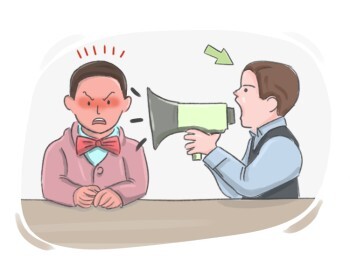
Ex: Throughout history , humanity has grappled with the destructive force of tyranny , as power-hungry individuals seek to subjugate and control others .

to deeply irritate someone, especially when they can do nothing about it or solve the problem
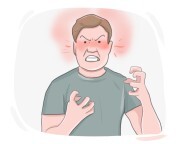
Ex:

a deep sense of annoyance due to persistent difficulties
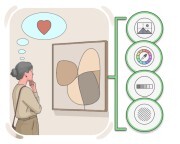
Ex: His constant interruptions and disregard for others ' opinions filled her with exasperation .
criteria [noun]

the particular characteristics that are considered when evaluating something

Ex: The committee set several criteria for evaluating the effectiveness of the new policy .
critical [adjective]

providing knowledgeable judgments and opinions about the positive and negative aspects of something
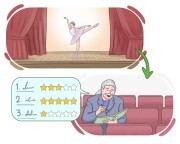
Ex: His critical essay on the painting highlighted the artist 's innovative use of color .

to carefully examine something in a detailed manner

Ex: Her work has been widely critiqued and analyzed by scholars in the field .

a powerful or respected man who serves as the head of a family or tribe
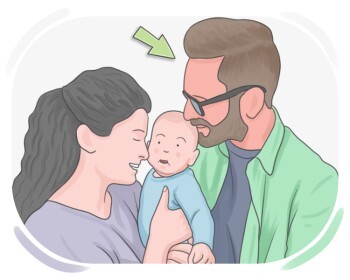
Ex: Throughout generations , the eldest son of the family inherited the role of patriarch , carrying on the legacy of his ancestors and upholding their values .
paternal [adjective]

having qualities or behaviors typically associated with a father, particularly in a caring, supportive, or protective manner

Ex: One of the most valuable pieces of paternal advice he received was to prioritize his education and never stop learning .

a person belonging to the highest social class or aristocracy in certain societies

Ex: In the feudal system , the land was predominantly owned by the patricians , while the peasants worked the fields .

a property passed down from a father to his children by right of birth

Ex: Upon his passing , the patriarch divided his financial assets among his children as part of their patrimony .

the feeling of love or devotion toward one's country, its values, culture, history, and interests

Ex: His deep patriotism was reflected in his commitment to learning and speaking the native language of his homeland , as he believed it was essential to preserve the linguistic heritage and cultural identity of his people .
patron [noun]

an individual who regularly visits and uses a specific establishment, such as a shop, restaurant, or other business

Ex: One of the restaurant 's most valued patrons , Mr. Johnson , had been dining there every Friday evening for the past decade .

to speak or behave in a way that implies that one is more knowledgeable, experienced, or intelligent than the other person

Ex: The salesperson was patronizing the customer , making them feel inferior and inadequate .
patronymic [adjective]

derived from the name of one's father or a male ancestor

Ex: Her patronymic surname traces back to her father 's family line .