

pattern

مهارات كلمات SAT 2 - الدرس 6

مراجعة

بطاقات الفلاش

الهجاء

اختبار قصير

ابدأ التعلم
SAT Word Skills 2
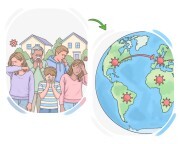
outbreak
outbreak
[اسم]

the unexpected start of something terrible, such as a disease

تفشي, وباء

تفشي, وباء

Ex: The outbreak of wildfires prompted emergency evacuations across the region. 

تفشي حرائق الغابات دفع إلى عمليات إخلاء طارئة في جميع أنحاء المنطقة.

outcry
outcry
[اسم]

a loud, sustained noise or shout of disapproval, protest, or outrage

صراخ, احتجاج

صراخ, احتجاج

Ex: Social media amplified the outcry against the unfair treatment of workers. 

وسائل التواصل الاجتماعي ضخمت الصيحة ضد المعاملة غير العادلة للعمال.

to outlast
to outlast
[فعل]

to stay alive for a longer period of time than others in a particular situation

يبقى على قيد الحياة, يدوم لفترة أطول

يبقى على قيد الحياة, يدوم لفترة أطول

Ex: She had a strong immune system that allowed her to outlast the flu while others around her fell ill. 

كان لديها جهاز مناعة قوي مكنها من الصمود أمام الإنفلونزا بينما مرض الآخرون حولها.

outlaw
outlaw
[اسم]

a person who operates outside the boundaries of established rules and may engage in illegal activities

خارج عن القانون, لص

خارج عن القانون, لص

Ex: During the Wild West era, many outlaws sought refuge in remote hideouts to evade law enforcement. 

خلال عصر الغرب المتوحش، سعى العديد من الخارجين عن القانون إلى اللجوء إلى مخابئ نائية لتفادي إنفاذ القانون.

outpost
outpost
[اسم]

a military camp situated far from the main army of troops

موقع متقدم, حصن أمامي

موقع متقدم, حصن أمامي

Ex: Strategically positioned along the border, the outpost acted as a vigilant watchtower, ensuring national security. 

موجود بشكل استراتيجي على طول الحدود، عمل المخفر كبرج مراقبة يقظ، مما يضمن الأمن الوطني.

tyrannical
tyrannical
[صفة]

using power or authority in a cruel and oppressive way against other people

طاغية, مستبد

طاغية, مستبد

Ex: Under the tyrannical ruler's iron grip, innocent individuals were subjected to arbitrary arrests, torture, and prolonged detention. 

تحت القبضة الحديدية للحاكم المستبد، تعرض أفراد أبرياء للاعتقال التعسفي والتعذيب والاحتجاز المطول.

tyranny
tyranny
[اسم]

a type of government where a ruler or a small group of people have complete power and control over the citizens, often making decisions without considering their rights or welfare

طغيان, استبداد

طغيان, استبداد

Ex: In the face of tyranny, brave individuals stood up for justice and fought against the oppressive regime, risking their lives to bring about freedom. 

في مواجهة الطغيان، وقف أفراد شجعان من أجل العدالة وقاتلوا ضد النظام القمعي، مخاطرين بحياتهم لتحقيق الحرية.
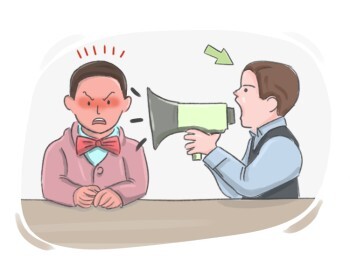
to exasperate

to deeply irritate someone, especially when they can do nothing about it or solve the problem

يثير الغضب, يغيظ

يثير الغضب, يغيظ

Ex: His repeated failure to follow instructions correctly exasperated his boss, who had to continually correct his mistakes. 

فشله المتكرر في اتباع التعليمات بشكل صحيح أغضب رئيسه، الذي كان عليه تصحيح أخطائه باستمرار.
exasperation
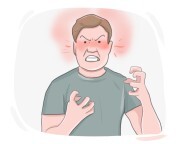
exasperation
[اسم]

a deep sense of annoyance due to persistent difficulties

استياء

استياء

Ex: With each failed attempt, her exasperation grew, making her question if success was even possible. 

مع كل محاولة فاشلة، زاد استياؤها، مما جعلها تتساءل عما إذا كان النجاح ممكنًا حتى.
criteria
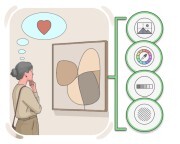
criteria
[اسم]

the particular characteristics that are considered when evaluating something

معايير, مقاييس

معايير, مقاييس

Ex: The criteria for this research study include patient age and medical history. 
critical
critical
[صفة]

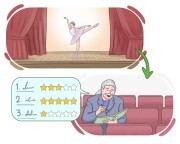
providing knowledgeable judgments and opinions about the positive and negative aspects of something

نقدي, تحليلي

نقدي, تحليلي

Ex: The critical review of the novel praised its character development but criticized its pacing. 

أشادت المراجعة النقدية للرواية بتطوير شخصياتها لكنها انتقدت وتيرتها.
to critique
to critique
[فعل]

to carefully examine something in a detailed manner

ينقد,  يحلل

ينقد, يحلل

Ex: As part of the workshop, participants were encouraged to critique their peers' presentations, offering constructive feedback for refinement. 

كجزء من الورشة، تم تشجيع المشاركين على نقد عروض زملائهم، مع تقديم ملاحظات بناءة للتحسين.

patriarch
patriarch
[اسم]

a powerful or respected man who serves as the head of a family or tribe

بطريرك, رئيس العائلة

بطريرك, رئيس العائلة

Ex: In the household, the patriarch was the ultimate authority, making important decisions that shaped the direction of the family's future. 

في المنزل، كان البطريرك هو السلطة العليا، يتخذ قرارات مهمة تشكل اتجاه مستقبل العائلة.
paternal
paternal
[صفة]

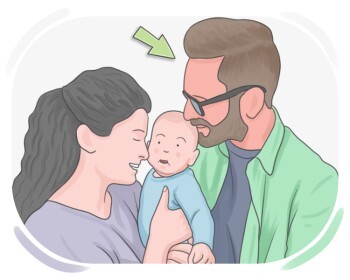
having qualities or behaviors typically associated with a father, particularly in a caring, supportive, or protective manner

أبوي, أبوي

أبوي, أبوي

Ex: His paternal love and support were evident in the way he celebrated his children's achievements and comforted them in times of disappointment. 

كان حبه الأبوي ودعمه واضحين في الطريقة التي احتفل بها بإنجازات أطفاله وواساهم في أوقات خيبة الأمل.

patrician
patrician
[اسم]

a person belonging to the highest social class or aristocracy in certain societies

باتريشي, ارستقراطي

باتريشي, ارستقراطي

Ex: In medieval Europe, the patricians were distinguished by their opulent lifestyles, luxurious mansions, and exclusive access to education and cultural resources. 

في أوروبا العصور الوسطى، تميز الأشراف بأنماط حياتهم الفخمة، وقصورهم الفاخرة، ووصولهم الحصري إلى التعليم والموارد الثقافية.

patrimony
patrimony
[اسم]

a property passed down from a father to his children by right of birth

ميراث, التراث الأبوي

ميراث, التراث الأبوي

Ex: In some cultures, land and property are considered essential components of one's patrimony and are carefully preserved. 

في بعض الثقافات، تعتبر الأرض والممتلكات مكونات أساسية من الميراث ويتم الحفاظ عليها بعناية.

patriotism
patriotism
[اسم]

the feeling of love or devotion toward one's country, its values, culture, history, and interests

الوطنية

الوطنية

Ex: John's unwavering patriotism led him to serve in the military, defending his country's values and freedoms. 

قاد الوطنية الثابتة لجون إلى الخدمة في الجيش، مدافعًا عن قيم وحريات بلاده.
patron
patron
[اسم]

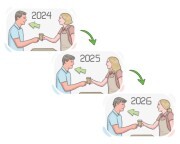
an individual who regularly visits and uses a specific establishment, such as a shop, restaurant, or other business

زبون, عميل دائم

زبون, عميل دائم

Ex: As a loyal patron of the neighborhood bookstore, she would often spend hours browsing the shelves and discussing book recommendations with the staff. 

كـ زبونة مخلصة لمكتبة الحي، كانت غالبًا ما تقضي ساعات في تصفح الأرفف ومناقشة توصيات الكتب مع الموظفين.

to patronize
to patronize
[فعل]

to speak or behave in a way that implies that one is more knowledgeable, experienced, or intelligent than the other person

التعامل بتعال, رعاية

التعامل بتعال, رعاية

Ex: I feel she is patronizing me by her constant attempts to explain things to me as if I'm incapable of understanding. 

أشعر أنها تتعامل معي بتعالٍ من خلال محاولاتها المستمرة لشرح الأشياء لي وكأنني غير قادر على الفهم.

patronymic
patronymic
[صفة]

derived from the name of one's father or a male ancestor

نسبي للأب, مشتق من اسم الأب

نسبي للأب, مشتق من اسم الأب

Ex: Many Slavic languages use patronymic naming conventions rather than family names. 

العديد من اللغات السلافية تستخدم تقاليد التسمية البطريركية بدلاً من الألقاب العائلية.

LanGeek
تنزيل تطبيق LanGeek