
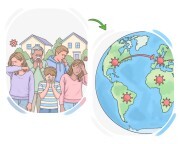
the unexpected start of something terrible, such as a disease

eruzione

a loud, sustained noise or shout of disapproval, protest, or outrage
protesta
I social media hanno amplificato il clamore contro il trattamento ingiusto dei lavoratori.
to stay alive for a longer period of time than others in a particular situation
sopravvivere, durare più a lungo
Nonostante le dure condizioni, la vecchia quercia è sopravvissuta a tutti gli altri alberi nella foresta.

a person who operates outside the boundaries of established rules and may engage in illegal activities
fuorilegge
Robin Hood è spesso romanzato come un fuorilegge che rubava ai ricchi per dare ai poveri.
a military camp situated far from the main army of troops
avamposto, posto avanzato
Stabilito su un'isola remota, l'avamposto navale servì come base critica per le operazioni marittime nella regione.
using power or authority in a cruel and oppressive way against other people
tirannico, dispoticо
Fin dai primi giorni del loro regno, il leader tirannico ha dimostrato una natura spietata e sadica, infliggendo sofferenze inimmaginabili al proprio popolo.
a type of government where a ruler or a small group of people have complete power and control over the citizens, often making decisions without considering their rights or welfare
tirannia, dispotismo
Sotto il governo oppressivo della tirannia, i cittadini hanno visto strappate via le loro libertà fondamentali, lasciandoli in uno stato di costante paura e oppressione.
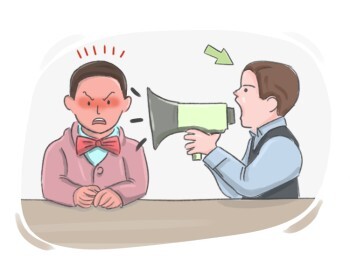
to deeply irritate someone, especially when they can do nothing about it or solve the problem
esasperare, irritare
Nel quartiere tranquillo, il rumore persistente del cantiere vicino esaspera i residenti, che trovano difficile riposare e rilassarsi adeguatamente.
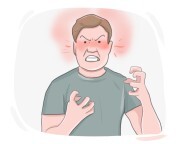
a deep sense of annoyance due to persistent difficulties
esasperazione
Le richieste persistenti e le lamentele del cliente hanno portato un senso di esasperazione all'esaurito commesso del negozio.
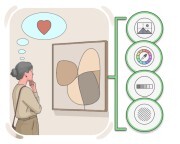
the particular characteristics that are considered when evaluating something
criteri, parametri
providing knowledgeable judgments and opinions about the positive and negative aspects of something
critico, analitico
La recensione critica del romanzo ha elogiato lo sviluppo dei personaggi ma ha criticato il ritmo.
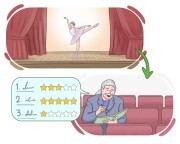
to carefully examine something in a detailed manner
criticare
L'editore critica il manoscritto, offrendo suggerimenti per la revisione e il miglioramento.
a powerful or respected man who serves as the head of a family or tribe
patriarca, capofamiglia
Il rispettato patriarca della tribù era venerato per la sua saggezza e le sue decisioni avevano un grande peso nelle questioni di governo e tradizione.
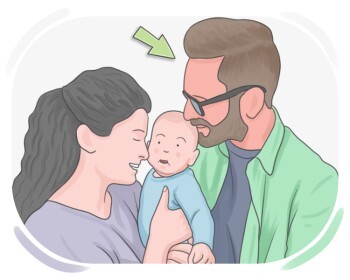
having qualities or behaviors typically associated with a father, particularly in a caring, supportive, or protective manner
paterno
La voce del padre aveva un tono calmante e paterno mentre leggeva storie della buonanotte alla sua giovane figlia.
a person belonging to the highest social class or aristocracy in certain societies
patrizio, aristocratico
I patrizi dell'antica Roma formavano una classe d'élite che controllava gli affari politici e deteneva posizioni di autorità nel Senato.
a property passed down from a father to his children by right of birth
patrimonio, eredità paterna
Il figlio maggiore ha ereditato l'azienda di famiglia come suo patrimonio, continuando il legato imprenditoriale.
the feeling of love or devotion toward one's country, its values, culture, history, and interests
patriottismo
Il patriottismo di Mary era evidente nella sua partecipazione attiva a progetti di servizio comunitario mirati a migliorare il suo paese.
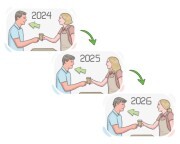
an individual who regularly visits and uses a specific establishment, such as a shop, restaurant, or other business
cliente, avventore
to speak or behave in a way that implies that one is more knowledgeable, experienced, or intelligent than the other person
trattare con condiscendenza, paternalizzare
Ha alzato gli occhi al cielo e ha fatto un commento sarcastico, chiaramente cercando di paternalizzarlo davanti a tutti.
derived from the name of one's father or a male ancestor
patronimico, derivato dal nome del padre
Si è presentato con il suo secondo nome patronimico piuttosto che con il suo cognome.
