
Vocabulaire pour l'IELTS Academic (Score 6-7) - Politique
Ici, vous apprendrez quelques mots anglais liés à la politique qui sont nécessaires pour l'examen académique IELTS.
Réviser
Flashcards
formes
Orthographe
Quiz

a form of government where the power is vested in the hands of the people, either directly or through elected representatives

démocratie
a public vote in which people in a country or area decide or express their opinion on an important political or social question
référendum
a political system in which a central government controls the affairs of each self-governed state
fédéralisme
La Constitution des États-Unis a établi un système de fédéralisme pour s'assurer qu'aucune entité ne détienne trop de pouvoir.
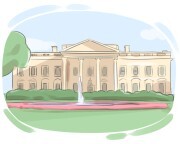
a system of governing that is authoritarian and usually not selected in a fair election
régime
a system of beliefs or principles on which the views and actions of a group, society, or political organization are based
idéologie
someone who attempts to persuade politicians to agree or disagree with a law being made or changed
lobbyiste

the main political party opposed to the government
opposition

a system of government or a country or state that is ruled by a king or queen
monarchie
Certaines personnes soutiennent qu'une monarchie offre de la stabilité, tandis que d'autres la considèrent comme dépassée.
the people in a particular area who are represented by an elected member of a parliament or legislature
électeurs
conflict or disagreement between opposing groups within an organization or community
faction
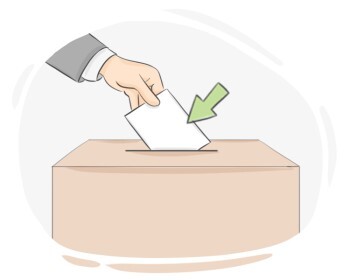
a document listing the options or candidates used in voting
bulletin de vote
Le bulletin de vote comprenait plusieurs mesures et propositions.

an alliance of different groups, political parties, or countries formed to work together for a particular purpose
coalition

information and statements that are mostly biased and false and are used to promote a political cause or leader
propagande
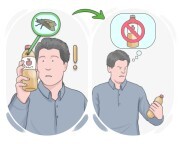
to refuse to buy, use, or participate in something as a way to show disapproval or to try to bring about a change
boycotter
Les travailleurs ont décidé de boycotter l'entreprise jusqu'à ce que des salaires équitables soient mis en œuvre.
an official order according to which any commercial activity with a particular country is banned
embargo
an economic and political system in which major resources and means of production are owned or controlled collectively or publicly
socialisme
an economic system in which property and businesses are primarily privately owned and operated for profit
capitalisme
the feeling of love or devotion toward one's country, its values, culture, history, and interests
patriotisme
Le patriotisme de Mary était évident dans sa participation active à des projets de service communautaire visant à améliorer son pays.
the political belief that promotes personal freedom, democracy, gradual changes in society, and free trade
libéralisme
Les principes du libéralisme soutiennent la gouvernance démocratique, garantissant que le pouvoir est distribué et contrôlé par des élections libres et équitables.
a political system in which the government controls all industry, every citizen is equally treated, and private ownership does not exist
communisme

a rule made by the government, an authority, etc. to control or govern something within a particular area
règle, regulations, réglementation

a separate part of a legal document that requires or talks about something specific
clause
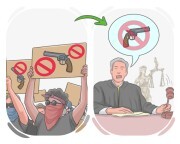
to officially cancel or withdraw something, such as a law, a decision, a license, or a privilege
retirer, révoquer
Le gouvernement a décidé de révoquer la loi controversée en raison des protestations publiques.
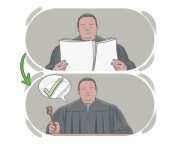
to create or bring laws into effect through a formal process
légiférer sur
En 2005, le gouvernement a légiféré l'interdiction de fumer dans les lieux publics.
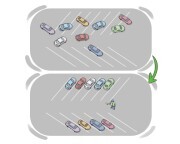
to control an activity or process by means of rules, laws, or official requirements
réglementer
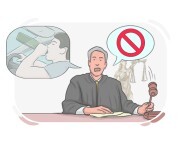
to approve a proposed law
décréter
Après de nombreux débats, le gouvernement a décidé de promulguer une loi pour lutter contre la cybercriminalité.
to strongly criticize in an official manner
censurer
L'éditorial dans le journal a été écrit pour censurer les pratiques commerciales douteuses de l'entreprise.
a political belief with an inclination to keep the traditional values in a society by avoiding changes
conservatisme
La plateforme du politicien est enracinée dans le conservatisme, préconisant des impôts plus bas et une réduction des dépenses publiques.
to make something lawful, acceptable, or valid
légitimer, rendre légitime
L'entreprise a mis en œuvre des mesures pour légitimer ses opérations et se conformer aux réglementations du secteur.
