
Compétence en Lecture pour l'Examen ACT - Opposition
Apprenez le vocabulaire ACT lié à l'opposition, au désaccord, à la résistance, au conflit, au rejet, à la critique et aux actions prises contre des idées, des personnes ou des plans.
Réviser
Flashcards
formes
Orthographe
Quiz


done before something else happens to prevent a problem or danger

préventif, préemptif
Elle a acheté une assurance comme mesure préventive contre les accidents futurs.

causing harm or damage
néfaste
Le manque d'exercice peut être préjudiciable à la condition physique et au bien-être général.
the act of completely destroying or eliminating something, especially a population or group
extermination, anéantissement
La guerre a conduit à l'extermination de villages et de communautés entières.
the thing that slows down or inhibits a process or action
retardateur, inhibiteur
Le médicament agit comme un retardateur de croissance pour certains types de tumeurs.
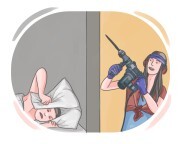
something or someone that causes trouble and annoyance
nuisance, dérangement
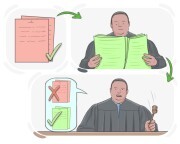
to state that something is incorrect or false based on evidence
réfuter, démentir
Ses recherches ont réfuté la croyance communément admise.
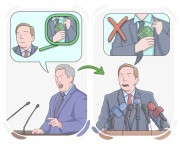
to prove something false or incorrect with evidence or argumentation
réfuter
Ses résultats de recherche ont efficacement réfuté la théorie dominante.
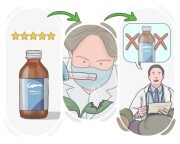
to show that something is false or incorrect
réfuter
Son alibi a été réfuté par les images des caméras de sécurité.
to prevent or restrict the progress, occurrence, or development of something
inhiber
to cause someone to lose physical or mental energy or strength
affaiblir, débiliter
La maladie prolongée l'a énervé, rendant même les tâches simples accablantes.
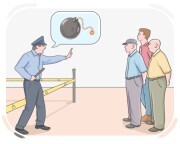
to intentionally prevent someone or something from accomplishing a purpose or plan
contrecarrer, contrarier
La stratégie intelligente du détective a contrecarré le plan d'évasion du criminel.
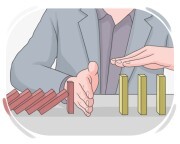
to not let someone do something
empêcher
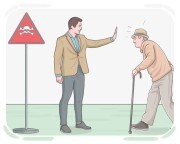
to stop or prevent something from happening
empêcher
Les échecs précédents dans la communication ont empêché une collaboration réussie entre les équipes.
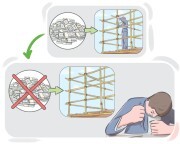
to create difficulty or obstacles that make it hard for something to happen or progress
entraver
Le manque de ressources peut entraver l'achèvement d'un projet.

to cause someone to lose their sense of direction, leading to confusion or a feeling of being lost
désorienter, dérouter
Le brouillard dense désorienta le pilote, rendant difficile la navigation en toute sécurité de l'avion.
to hinder the process or make something harder to do or achieve
encombrer, entraver
Les nouvelles réglementations vont encombrer la capacité de la startup à se lancer rapidement.
to stop supporting an idea, policy, concept, etc.
laisser tomber
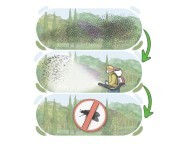
to completely remove, destroy, or get rid of something
éliminer, faire disparaître
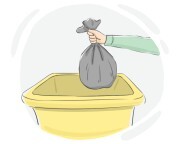
to get rid of something that is no longer needed
jeter
Le chef a demandé au personnel de cuisine de jeter les légumes qui n'étaient plus frais.
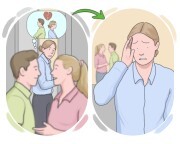
to deliberately avoid, ignore, or keep away from someone or something
éviter, fuir
En raison de leurs pratiques contraires à l'éthique, l'entreprise a commencé à éviter ses partenaires dans l'industrie.
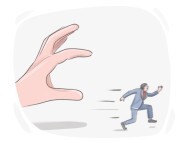
to cleverly avoid or escape from someone or something
échapper, éviter
Les efforts pour capturer l'oiseau rare se sont avérés difficiles car il a constamment éludé les ornithologues.
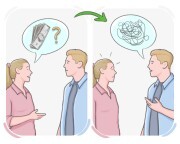
to intentionally avoid an issue or responsibility
esquiver, éviter
Lorsqu'on lui a demandé des détails, le suspect a esquivé chaque question pendant l'interrogatoire.

to exclude someone from a community or group as a form of punishment or social rejection
ostraciser
La clique ostracisait quiconque ne se conformait pas à ses normes de popularité.

to avoid a thing or doing something on purpose
éviter, fuir
Dans son mode de vie minimaliste, Mark a choisi d'éviter les possessions matérielles et de se concentrer sur les expériences.
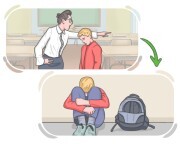
to force someone to leave a place, organization, etc.
renvoyer, exclure
En raison d'une inconduite, l'organisation a choisi d'expulser le membre de ses rangs.
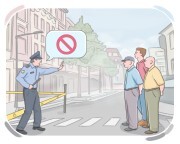
to push away or cause something or someone to retreat or withdraw
repousser
Le chevalier a levé son bouclier pour repousser les flèches entrantes.
to get rid of something that is no longer wanted or needed
se débarrasser, éliminer
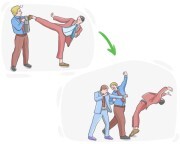
to do something to avoid or decrease the harmful or unpleasant effects of something
répondre
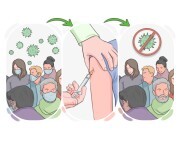
to completely destroy something, particularly a problem or threat
éliminer, éradiquer
Les agriculteurs ont mis en œuvre des mesures de lutte antiparasitaire pour éradiquer les espèces envahissantes qui menaçaient leurs cultures.
to end or destroy something entirely
mettre fin à
Les scientifiques travaillent à éteindre la propagation de la maladie infectieuse.
to loosen, especially by reducing tension or pressure
relâcher, détendre
Il a doucement détendu les cordes de guitare pour ajuster leur tension afin de les accorder.
to lessen the intensity of something or keep it under control, often through restraint or inhibition
réprimer, contenir
Les nouvelles réglementations visent à freiner la propagation de la désinformation sur les plateformes de médias sociaux.
to cause widespread destruction or devastation, often resulting in complete ruin
ravager, dévaster
La guerre a ravagé la région pendant des années, laissant ses infrastructures en ruines.
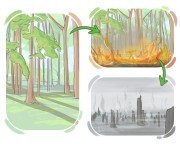
to completely destroy or remove something
détruire, éliminer, éradiquer
Le gouvernement a lancé une campagne pour extirper la corruption de ses institutions.
to take away from something's effect, value, size, power, or amount
atténuer
Le médicament a été prescrit pour atténuer la gravité de ses symptômes d'allergie.
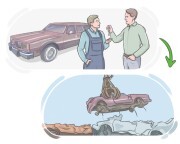
to get rid of something that is no longer useful or wanted
mettre au rebut, abandonner
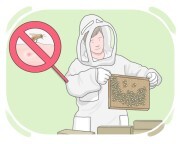
to stop something from happening
prévenir
Le coût élevé des amendes devrait dissuader les excès de vitesse sur l'autoroute.
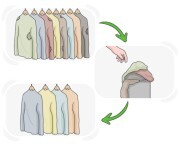
to free a person, place, or thing from something unwanted, harmful, or unpleasant
débarrasser, délivrer
to drive back or push away
repousser
Son comportement arrogant et ses commentaires insensibles repoussaient la plupart des gens qu'il rencontrait.
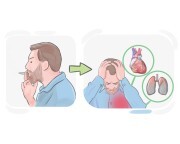
to make a problem, situation, or condition worse or more serious
aggraver
Leur retard a aggravé le problème de circulation.
to make a counterattack or respond in a similar manner
contre-attaquer, riposter
La nation a cherché à riposter aux sanctions économiques en imposant des mesures réciproques à ses partenaires commerciaux.
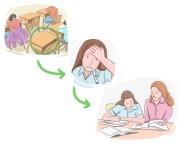
to counteract or compensate for the effect, cost, or disadvantage of something
compenser, contrebalancer
to destroy someone or something completely
annihiler
La stratégie de l'armée était d'annihiler les forces ennemies et d'assurer la victoire.
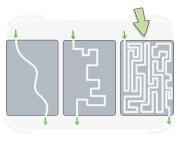
in a way that forbids or effectively prevents something
prohibitivement, de manière prohibitive
Certains contenus sont strictement restreints en vertu des lois sur la sécurité nationale.
