
Kosakata untuk IELTS (Dasar) - Bahasa dan Tata Bahasa
Di sini Anda akan mempelajari beberapa kata dalam bahasa Inggris tentang bahasa dan tata bahasa, seperti "article", "determiner", "abbreviation", dll., yang diperlukan untuk ujian IELTS.
Tinjauan
Kartu flash
Ejaan
Kuis

the shortened form of a word, etc.

singkatan, kependekan
Singkatan 'CEO' adalah singkatan dari Chief Executive Officer.

(grammar) the voice in which the subject is the agent that does the action of the verb
kalimat aktif, bentuk aktif
(grammar) a word or phrase that adds more information to another word in sense of time, manner, degree or cause
kata keterangan, pelengkap keterangan

the symbol ' used in writing to show possession or omission of letters or numbers
tanda petik tunggal, simbol apostrof
Apostrof dalam "it's" membedakannya dari "its," yang bersifat posesif.

(grammar) any type of determiner that shows whether we are referring to a particular thing or a general example of something
artikel

a verb that is used with other verbs to indicate tense, voice, etc., such as do, have, and be
kata kerja bantu
Belajar cara menggunakan kata kerja bantu dengan benar dapat sangat meningkatkan kemampuan untuk menyusun kalimat kompleks.

(grammar) a group of words that contains a subject and a verb and functions as a unit within a sentence
klausa, kalimat

a word or expression that connects words, phrases, or clauses
konjungsi, kata sambung
a short form of a word or a group of words used instead of the full form
kontraksi, bentuk pendek
Kontraksi "we've" berarti "we have".
(grammar) a word coming before a noun or noun phrase to specify its denotation
determiner, artikel

a punctuation symbol (!) placed after a word, phrase, or sentence to indicate strong feeling or emphasis
tanda seru, tanda seru
Gunakan tanda seru untuk menunjukkan kejutan atau kegembiraan.
connected to the rules or the study of grammar
tata bahasa, berhubungan dengan tata bahasa
Struktur tata bahasa dari sebuah kalimat mencakup komponen seperti subjek, kata kerja, dan objek.
(grammar) a verb or verb phrase that expresses an order to do something
kata kerja imperatif, imperatif
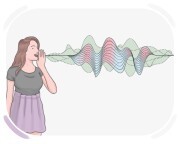
(phonetics) the rising and falling of the voice when speaking
intonasi
(grammar) a verb without a direct object
kata kerja intransitif, kata kerja tanpa objek langsung
Dalam kalimat "Dia tidur", "tidur" adalah kata kerja intransitif karena tidak memerlukan objek langsung.
(grammar) a verb that needs a direct object
kata kerja transitif, kata kerja yang membutuhkan objek langsung
Dalam kalimat "Dia makan sebuah apel," "makan" adalah kata kerja transitif, dan "sebuah apel" adalah objek langsung.
(grammar) any of the grammatical classes that words are categorized into, based on their usage in a sentence
(in grammar) the form of a verb used when the grammatical subject is affected by the action of the verb, rather than performing it
kalimat pasif, bentuk pasif
Kalimat pasif terkadang dapat membuat kalimat terdengar lebih formal atau tidak personal.

the symbol (.) used to end a declarative sentence or mark an abbreviation
titik, tanda titik

(grammar) a letter or a set of letters that are added to the beginning of a word to alter its meaning and make a new word
awalan
Memahami prefiks umum, seperti 'pre-' dan 'dis-', dapat membantu siswa mendekode kata-kata yang tidak dikenal.

(grammar) a letter or a set of letters that are added to the end of a word to alter its meaning and make a new word
akhiran, sufiks
Menambahkan akhiran '-ly' ke 'quick' mengubah kata menjadi 'quickly,' menjadikannya kata keterangan.
(grammar) describing a word that indicates that the action of the verb affects the agent performing it
refleksif, kembali
(grammar) referring to a noun, clause or sentence that has come before
relatif

to say the exact sentence or group of words someone else used in a movie, book, etc.
mengutip, menirukan

(grammar) the name of a place, person, country, etc. with its first letter capitalized
nama diri, kata benda nama diri
Kata benda khusus penting untuk membedakan entitas tertentu dalam tulisan dan ucapan.
(grammar) a noun that refers to an object or a concept in a category but not to a specific one
kata benda umum, nomina umum

either of the symbols " " or ' ' used before and after a word or words to indicate the beginning and the end of a title or quoted remark, or to mark a jargon
tanda kutip, tanda petik
Guru menjelaskan kapan menggunakan tanda kutip tunggal versus tanda kutip ganda.
(in grammar) a phrase or word that receives the action of a verb
objek, objek langsung
(grammar) a noun that denotes a general quality or an idea, rather than a physical object or real world event
kata benda abstrak, nomina abstrak
| Kosakata untuk IELTS (Dasar) | |||
|---|---|---|---|
| Keluarga dan Hubungan | Menggambarkan Kepribadian | Mendeskripsikan Penampilan | Bentuk dan Ukuran |
| Pakaian dan Mode | Hewan | Makanan | Rumah |
| Hobi | Belanja | Perasaan | Olahraga |
| Pekerjaan | Perjalanan | Waktu | Tubuh |
| Cuaca | Bahasa dan Tata Bahasa | Warna | Transportasi |
