pattern

雅思词汇(基础) - 语言与语法

在这里,你将学习一些关于语言和语法的英语单词,如“article”、“determiner”、“abbreviation”等,这些都是雅思考试所需要的。

审查

闪卡

拼写

测验
开始学习
Words for Basic IELTS
abbreviation
abbreviation
[名词]

the shortened form of a word, etc.

缩写, 缩略语

缩写, 缩略语

Ex: The abbreviation 'CEO' stands for Chief Executive Officer. 

缩写 'CEO' 代表首席执行长。

关闭
登录
active voice
active voice
[名词]

(grammar) the voice in which the subject is the agent that does the action of the verb

主动语态, 主动式

主动语态, 主动式

关闭
登录
adverbial
adverbial
[名词]

(grammar) a word or phrase that adds more information to another word in sense of time, manner, degree or cause

状语, 副词性补语

状语, 副词性补语

关闭
登录
apostrophe
apostrophe
[名词]

the symbol ' used in writing to show possession or omission of letters or numbers

撇号, 撇号符号

撇号, 撇号符号

Ex: Use an apostrophe to show possession, as in "Jessica's book." 

使用撇号来表示所有,如"杰西卡的书"。

关闭
登录
article
article
[名词]

(grammar) any type of determiner that shows whether we are referring to a particular thing or a general example of something

冠词

冠词

Ex: The teacher explained that 'the' is a definite article used to refer to specific items. 

老师解释说,“the”是一个用于指代特定项目的定冠词。

关闭
登录
auxiliary verb

a verb that is used with other verbs to indicate tense, voice, etc., such as do, have, and be

助动词

助动词

Ex: Auxiliary verbs are essential in forming perfect tenses, as in 'They have finished their homework. 

助动词在形成完成时态时至关重要,例如在'他们完成了作业'中。

关闭
登录
clause
clause
[名词]

(grammar) a group of words that contains a subject and a verb and functions as a unit within a sentence

从句, 分句

从句, 分句

Ex: In English, a clause must contain at least a subject and a verb. 

在英语中,一个从句必须至少包含一个主语和一个动词。

关闭
登录
conjunction
conjunction
[名词]

(grammar) a word such as and, because, but, and or that connects phrases, sentences, or words

连词, 连接词

连词, 连接词

Ex: The grammar quiz tested students on their ability to identify and correctly use subordinating conjunctions. 

语法测验测试了学生识别和正确使用从属连词的能力。

关闭
登录
contraction
contraction
[名词]

a short form of a word or a group of words used instead of the full form

缩略, 缩略形式

缩略, 缩略形式

Ex: When writing informally, contractions make the language feel more relaxed. 

非正式写作时,缩略词让语言感觉更轻松。

关闭
登录
determiner
determiner
[名词]

(grammar) a word coming before a noun or noun phrase to specify its denotation

限定词, 冠词

限定词, 冠词

关闭
登录
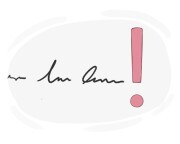
exclamation mark

a punctuation symbol (!) placed after a word, phrase, or sentence to indicate strong feeling or emphasis

感叹号, 感叹号

感叹号, 感叹号

Ex: Use an exclamation mark to show surprise or excitement. 

使用感叹号来表示惊讶或兴奋。

关闭
登录
grammatical
grammatical
[形容词]

connected to the rules or the study of grammar

语法的, 与语法有关的

语法的, 与语法有关的

Ex: Linguists study the grammatical rules that govern language usage in different contexts. 

语言学家研究在不同语境中支配语言使用的语法规则。

关闭
登录
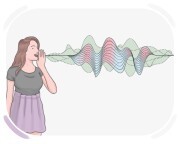
imperative verb

(grammar) a verb or verb phrase that expresses an order to do something

祈使动词, 祈使语气
祈使动词, 祈使语气

关闭
登录
intonation
intonation
[名词]

(phonetics) the rising and falling of the voice when speaking

语调

语调

Ex: Different languages have distinct intonation patterns, such as the rising intonation at the end of yes-no questions in English, as in 'Are you coming? 

不同的语言有不同的语调模式,例如英语中是非问句末尾的升调,如'Are you coming?'

关闭
登录
intransitive verb

(grammar) a verb without a direct object

不及物动词, 不需要直接宾语的动词

不及物动词, 不需要直接宾语的动词

Ex: Examples of intransitive verbs include "laugh," "sleep," and "arrive." 

不及物动词的例子包括“笑”、“睡”和“到达”。

关闭
登录
transitive verb

(grammar) a verb that needs a direct object

及物动词, 需要直接宾语的动词

及物动词, 需要直接宾语的动词

Ex: Examples of transitive verbs include "eat," "love," and "throw." 

及物动词的例子包括"吃"、"爱"和"扔"。

关闭
登录
part of speech

(grammar) any of the grammatical classes that words are categorized into, based on their usage in a sentence

Ex: When learning a new language, it's essential to understand each word's part of speech. 
关闭
登录
passive voice

(in grammar) the form of a verb used when the grammatical subject is affected by the action of the verb, rather than performing it

被动语态, 被动式

被动语态, 被动式

Ex: When you use passive voice, the object of the action becomes the subject of the sentence. 

当你使用被动语态时,动作的对象成为句子的主语。

关闭
登录
period
period
[名词]

the symbol (.) used to end a declarative sentence or mark an abbreviation

句号, 句点

句号, 句点

Ex: His initials were written as J.D., with a period after each letter. 

他的首字母缩写被写成J.D.,每个字母后都有一个句号

关闭
登录
prefix
prefix
[名词]

(grammar) a letter or a set of letters that are added to the beginning of a word to alter its meaning and make a new word

前缀

前缀

Ex: In the vocabulary lesson, they focused on how prefixes can alter the meanings of root words. 

在词汇课上,他们专注于前缀如何改变词根的含义。

关闭
登录
suffix
suffix
[名词]

(grammar) a letter or a set of letters that are added to the end of a word to alter its meaning and make a new word

后缀, 词尾

后缀, 词尾

Ex: Understanding how suffixes modify words is essential for expanding vocabulary and improving writing skills. 

理解后缀如何改变单词对于扩大词汇量和提高写作技巧至关重要。

关闭
登录
reflexive
reflexive
[形容词]

(grammar) describing a word that indicates that the action of the verb affects the agent performing it

反身的, 自反的

反身的, 自反的

关闭
登录
relative
relative
[形容词]

(grammar) referring to a noun, clause or sentence that has come before

相对的
相对的

关闭
登录
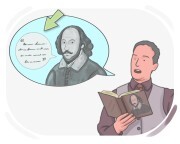
to quote
to quote
[动词]

to say the exact sentence or group of words someone else used in a movie, book, etc.

引用, 复述

引用, 复述

Ex: He often quotes Yoda from "Star Wars," saying, "Do or do not, there is no try." 

他经常引用《星球大战》中的尤达,说:“做或不做,没有尝试。”

关闭
登录
proper noun
proper noun
[名词]

(grammar) the name of a place, person, country, etc. with its first letter capitalized

专有名词, 固有名词

专有名词, 固有名词

Ex: Proper nouns like 'Mount Everest' refer to unique geographical features. 

专有名词如'珠穆朗玛峰'指的是独特的地理特征。

关闭
登录
common noun
common noun
[名词]

(grammar) a noun that refers to an object or a concept in a category but not to a specific one

普通名词, 一般名词

普通名词, 一般名词

关闭
登录
quotation mark

either of the symbols " " or ' ' used before and after a word or words to indicate the beginning and the end of a title or quoted remark, or to mark a jargon

引号, 引用标记

引号, 引用标记

Ex: His essay included several quotes surrounded by quotation marks. 

他的文章包括几个用引号括起来的引语。

关闭
登录
object
object
[名词]

(in grammar) a phrase or word that receives the action of a verb

宾语, 直接宾语

宾语, 直接宾语

Ex: Direct objects receive the action of the verb. 

直接宾语接受动词的动作。

关闭
登录
abstract noun

(grammar) a noun that denotes a general quality or an idea, rather than a physical object or real world event

抽象名词, 抽象名詞

抽象名词, 抽象名詞

关闭
登录
accent
accent
[名词]

an emphasis given to a particular syllable of a word, part of a sentence, or note in a set of musical notes

重音, 强调

重音, 强调

关闭
登录
LanGeek
下载LanGeek应用程序