
Vocabulário para IELTS (Básico) - Língua e Gramática
Aqui você aprenderá algumas palavras em inglês sobre linguagem e gramática, como "artigo", "determinante", "abreviação", etc., que são necessárias para o exame IELTS.
Revisar
Flashcards
Ortografia
Quiz

the shortened form of a word, etc.
abreviação, sigla
O livro didático forneceu uma chave para todas as abreviações usadas ao longo dos capítulos.

(grammar) the voice in which the subject is the agent that does the action of the verb
voz ativa, forma ativa
(grammar) a word or phrase that adds more information to another word in sense of time, manner, degree or cause
adverbial, complemento circunstancial

the symbol ' used in writing to show possession or omission of letters or numbers
apóstrofo, símbolo do apóstrofo
Seu ensaio tinha vários erros no uso de apóstrofos.

(grammar) any type of determiner that shows whether we are referring to a particular thing or a general example of something
artigo

a verb that is used with other verbs to indicate tense, voice, etc., such as do, have, and be
verbo auxiliar
Na pergunta "Do you understand?", a palavra "do" é um verbo auxiliar.

(grammar) a group of words that contains a subject and a verb and functions as a unit within a sentence
oração, cláusula

a word or expression that connects words, phrases, or clauses
conjunção
a short form of a word or a group of words used instead of the full form
contração, forma contraída
As contrações são frequentemente usadas na escrita e na fala informais.
(grammar) a word coming before a noun or noun phrase to specify its denotation
determinante, artigo
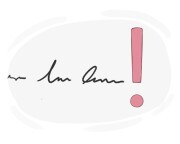
a punctuation symbol (!) placed after a word, phrase, or sentence to indicate strong feeling or emphasis
ponto de exclamação, ponto de exclamação
As crianças costumam usar vários pontos de exclamação na escrita informal.
connected to the rules or the study of grammar
gramatical, relativo à gramática
Compreender conceitos gramaticais como tempo e concordância melhora a compreensão e produção linguística.
(grammar) a verb or verb phrase that expresses an order to do something
verbo imperativo, imperativo
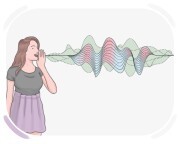
(phonetics) the rising and falling of the voice when speaking
entonação
(grammar) a verb without a direct object
verbo intransitivo, verbo sem objeto direto
A criança riu incontrolavelmente, a inocência do riso exemplificando a alegria que um verbo intransitivo pode trazer sem precisar de um objeto.
(grammar) a verb that needs a direct object
verbo transitivo, verbo que necessita de um objeto direto
Os verbos transitivos frequentemente respondem à pergunta « o quê » ou « quem » após o verbo de ação.
(grammar) any of the grammatical classes that words are categorized into, based on their usage in a sentence
(in grammar) the form of a verb used when the grammatical subject is affected by the action of the verb, rather than performing it
voz passiva, forma passiva
Muitos artigos científicos dependem da voz passiva para focar na pesquisa em vez dos pesquisadores.

the symbol (.) used to end a declarative sentence or mark an abbreviation
ponto, ponto final

(grammar) a letter or a set of letters that are added to the beginning of a word to alter its meaning and make a new word
prefixo
O dicionário forneceu uma lista de prefixos e seus significados para ajudar na formação e compreensão de palavras.

(grammar) a letter or a set of letters that are added to the end of a word to alter its meaning and make a new word
sufixo, terminação
Os alunos praticaram a adição de diferentes sufixos às palavras raiz para ver como seus significados mudaram.
(grammar) describing a word that indicates that the action of the verb affects the agent performing it
reflexivo, reflexo
(grammar) referring to a noun, clause or sentence that has come before
relativo
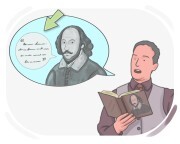
to say the exact sentence or group of words someone else used in a movie, book, etc.
citar, reproduzir

(grammar) the name of a place, person, country, etc. with its first letter capitalized
nome próprio, substantivo próprio
Ao escrever um e-mail, é importante usar corretamente os nomes próprios para se referir a pessoas ou empresas específicas.
(grammar) a noun that refers to an object or a concept in a category but not to a specific one
nome comum, substantivo comum

either of the symbols " " or ' ' used before and after a word or words to indicate the beginning and the end of a title or quoted remark, or to mark a jargon
aspas, sinal de citação
O diálogo do livro foi delimitado por aspas para maior clareza.
(in grammar) a phrase or word that receives the action of a verb
objeto, objeto direto
(grammar) a noun that denotes a general quality or an idea, rather than a physical object or real world event
substantivo abstrato, nome abstrato
