
Bokabularyo para sa IELTS (Pangunahing) - Wika at Balarila
Dito matututo ka ng ilang mga salitang Ingles tungkol sa wika at gramatika, tulad ng "article", "determiner", "abbreviation", atbp., na kailangan para sa pagsusulit sa IELTS.
Repasuhin
Flashcards
Pagbaybay
Pagsusulit

the shortened form of a word, etc.

pagpapaikli, daglat
Ang aklat-aralin ay nagbigay ng isang susi para sa lahat ng pagdadaglat na ginamit sa buong mga kabanata.

(grammar) the voice in which the subject is the agent that does the action of the verb
tinig na aktibo, aktibong tinig
(grammar) a word or phrase that adds more information to another word in sense of time, manner, degree or cause
pang-abay, komplementong pang-abay

the symbol ' used in writing to show possession or omission of letters or numbers
apostrophe, simbolo ng apostrophe
Ang apostrophe sa "can't" ay nagpapahiwatig ng pag-alis ng letrang "o".

(grammar) any type of determiner that shows whether we are referring to a particular thing or a general example of something
pantukoy

a verb that is used with other verbs to indicate tense, voice, etc., such as do, have, and be
pandiwang pantulong
Ipinaliwanag ng guro na ang mga pandiwang pantulong tulad ng 'have' at 'will' ay tumutulong sa pagbuo ng iba't ibang panahunan at aspeto.

(grammar) a group of words that contains a subject and a verb and functions as a unit within a sentence
sugnay, klausula

a word or expression that connects words, phrases, or clauses
pangatnig
a short form of a word or a group of words used instead of the full form
pag-ikli, pinaikling anyo
Sa pang-araw-araw na pagsasalita, ang mga pag-urong tulad ng "huwag" at "hindi" ay madalas gamitin.
(grammar) a word coming before a noun or noun phrase to specify its denotation
pantukoy, artikulo
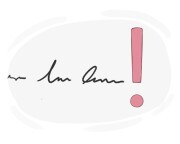
a punctuation symbol (!) placed after a word, phrase, or sentence to indicate strong feeling or emphasis
tandang padamdam, tandang padamdam
Madalas gumagamit ang mga bata ng maraming tandang padamdam sa impormal na pagsusulat.
connected to the rules or the study of grammar
panggramatika, may kaugnayan sa gramatika
Ang pagsulat na may gramatikal na kawastuhan ay mahalaga para sa epektibong komunikasyon at kalinawan.
(grammar) a verb or verb phrase that expresses an order to do something
pandiwa na imperatibo, imperatibo

(phonetics) the rising and falling of the voice when speaking
intonasyon
(grammar) a verb without a direct object
pandiwa na walang tuwirang layon, pandiwa na hindi nangangailangan ng tuwirang layon
Ang intransitive verb ay isang pandiwa na hindi nangangailangan ng direktang layon upang kumpletuhin ang kahulugan nito.
(grammar) a verb that needs a direct object
pandiwang palipat, pandiwa na nangangailangan ng tuwirang layon
Ang pandiwang palipat ay isang pandiwa na nangangailangan ng direktang layon upang makumpleto ang kahulugan nito.
(grammar) any of the grammatical classes that words are categorized into, based on their usage in a sentence
(in grammar) the form of a verb used when the grammatical subject is affected by the action of the verb, rather than performing it
tinig balintiyak, pormang balintiyak
Ang passive voice ay madalas gamitin kapag ang gumagawa ng aksyon ay hindi kilala o hindi mahalaga.

the symbol (.) used to end a declarative sentence or mark an abbreviation
tuldok, tuldok sa dulo ng pangungusap

(grammar) a letter or a set of letters that are added to the beginning of a word to alter its meaning and make a new word
panlapi
Sa aralin ng bokabularyo, tumuon sila sa kung paano mababago ng mga panlapi ang mga kahulugan ng mga salitang-ugat.

(grammar) a letter or a set of letters that are added to the end of a word to alter its meaning and make a new word
hulapi, suffix
Ang pag-unawa kung paano binabago ng mga suffix ang mga salita ay mahalaga para mapalawak ang bokabularyo at mapabuti ang mga kasanayan sa pagsusulat.
(grammar) describing a word that indicates that the action of the verb affects the agent performing it
pabalik, refleksibo
(grammar) referring to a noun, clause or sentence that has come before
kamag-anak

to say the exact sentence or group of words someone else used in a movie, book, etc.
banggitin, ulitin

(grammar) the name of a place, person, country, etc. with its first letter capitalized
pangngalang pantangi, pantanging pangngalan
Pangngalang pantangi ay isang pangngalang pantangi dahil pinangalanan nito ang isang partikular na lungsod.
(grammar) a noun that refers to an object or a concept in a category but not to a specific one
pangngalang pambalana, karaniwang pangngalan

either of the symbols " " or ' ' used before and after a word or words to indicate the beginning and the end of a title or quoted remark, or to mark a jargon
panipi, marka ng sipi
Ginamit niya ang panipi upang isama ang pamagat ng artikulo.
(in grammar) a phrase or word that receives the action of a verb
layon, tuwirang layon
(grammar) a noun that denotes a general quality or an idea, rather than a physical object or real world event
pangngalang abstrakto, pangngalang di-konkret
special prominence or emphasis given to a syllable, word, or musical note
tuldik, diin
