
Verbi dei Sensi e delle Emozioni - Verbi per azioni emotive
Qui imparerai alcuni verbi inglesi che si riferiscono ad azioni emotive come "ridacchiare", "piangere" e "affliggersi".
Revisione
Flashcard
forme
Ortografia
Quiz
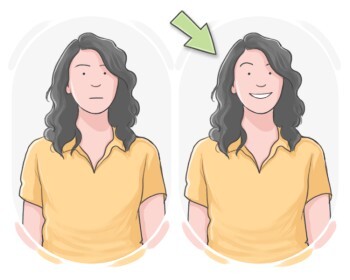
to make our mouth curve upwards, often in a way that our teeth can be seen, to show that we are happy or amused

sorridere

to smile widely in a way that displays the teeth
sogghignare

to make happy sounds and move our face like we are smiling because something is funny
ridere

to laugh in a light, silly, or often uncontrollable way as a result of nervousness or embarrassment
ridere scioccamente
Gli studenti sogghignarono alla pronuncia accidentale sbagliata dell'insegnante.

to laugh quietly and with closed lips
ridere di soppiatto
Il vecchio sogghignò alla battuta spiritosa del suo amico.
to laugh quietly in a sneaky or mocking way
ridacchiare, sogghignare
Gli studenti non potevano fare a meno di ridacchiare quando l'insegnante ha fatto un errore divertente.
to laugh loudly and harshly, often in a way that sounds unpleasant or wicked
sghignazzare, ridere in modo malvagio
La strega malvagia nella storia cominciò a sghignazzare dopo aver lanciato il suo incantesimo.
to laugh loudly and heartily, especially when something is very funny
ridere fragorosamente, scoppiare a ridere
Il divertente blooper reel ha fatto sghignazzare tutti nella stanza con gioia.
to give a quiet, half-suppressed laugh, often showing scorn, mockery, or disrespect
ridacchiare, sogghignare
Gli studenti cercarono di nascondere i loro volti mentre sghignazzavano al gioco di parole involontario dell'insegnante.
to laugh quietly in a restrained or nervous manner, often with short, high-pitched sounds
ridacchiare, sogghignare
L'adolescente timido sogghignò quando fu elogiato per il suo talento nascosto.

to give a half-smile, often displaying satisfaction, superiority, or amusement
ridere con aria furba
Non poteva nascondere la sua soddisfazione e sorrise compiaciuto per il successo del suo piano.

to feel or show great joy, delight, or happiness
rallegrarsi, gioire
È essenziale che gli individui si rallegrino dei successi dei loro pari.
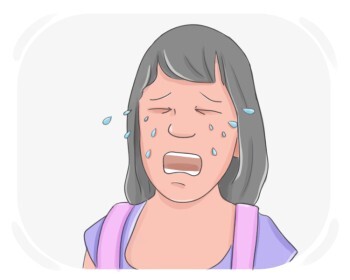
to have tears coming from your eyes as a result of a strong emotion such as sadness, pain, or sorrow
piangere

to shed tears due to strong feelings of sadness
piangere
to cry loudly while making repeated, short gasping sounds, often due to intense emotions such as sadness or grief
singhiozzare
Nella stanza silenziosa, il suono di qualcuno che singhiozza riecheggiava con tristezza.
to begin to cry or become emotional
venirsi le lacrime agli occhi, scoppiare a piangere
Non può fare a meno di commuoversi ogni volta che la conversazione si sposta sulla perdita di una persona cara.

to cry or whine with sniffling sounds
piagnucolare, lagnarsi
La giovane ragazza piagnucolava quando veniva rimproverata, sperando di ottenere simpatia.
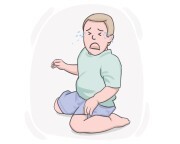
to cry out loudly and mournfully, often expressing grief, pain, or intense sorrow
gemere, lamentarsi
I dolenti si lamentano mentre la bara viene calata nel terreno.
to cry in a loud manner with strong emotions or distress
piangere a squarciagola, urlare dal pianto
La scena emozionante del film ha fatto piangere disperatamente il pubblico per simpatia.
to cry or whine while making sniffing sounds
piagnucolare, lamentarsi
Non abituato alle critiche, piagnucolava quando affrontava feedback negativi.
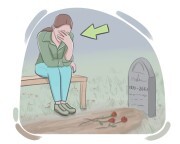
to feel intense sorrow, especially because someone has died
addolorarsi
Addolorato per la morte di un animale domestico, il bambino ha trovato conforto nei ricordi.
to feel deeply sad usually due to someone's death
piangere, essere in lutto
Amici e familiari si sono sostenuti a vicenda mentre piangevano la perdita improvvisa.
to verbally express deep sadness over a loss or unfortunate situation
lamentare, piangere
La comunità si è riunita per lamentare la scomparsa del loro amato leader, condividendo storie ed esprimendo il loro profondo dolore.
| Verbi dei Sensi e delle Emozioni | |||
|---|---|---|---|
| Verbi per Azioni Sensoriali | Verbi per la Visione | Verbi per la visibilità | Verbi per l'invisibilità |
| Verbi per l'emissione del suono | Verbi per azioni emotive | Verbi per esprimere le emozioni | Verbi per l'Empatia |
