
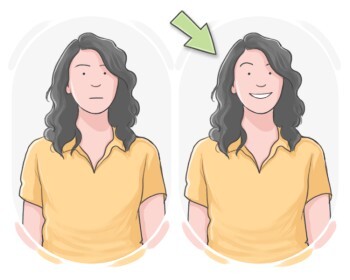
to make our mouth curve upwards, often in a way that our teeth can be seen, to show that we are happy or amused

微笑

to smile widely in a way that displays the teeth
咧嘴笑, 露出灿烂的笑容
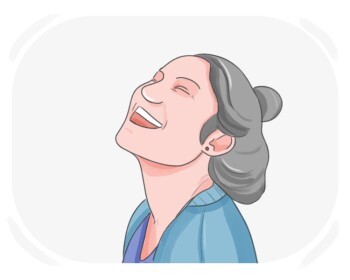
to make happy sounds and move our face like we are smiling because something is funny
笑, 大笑

to laugh in a light, silly, or often uncontrollable way as a result of nervousness or embarrassment
咯咯笑, 笑
她试图掩饰自己的尴尬,但最终紧张地咯咯笑了起来。

to laugh quietly and with closed lips
轻声笑, 抿嘴笑
老人对他朋友机智的评论轻声笑了。
to laugh quietly in a sneaky or mocking way
窃笑, 偷笑
当老师犯了一个有趣的错误时,学生们忍不住窃笑。
to laugh loudly and harshly, often in a way that sounds unpleasant or wicked
咯咯笑, 邪恶地笑
故事中的邪恶女巫在施法后开始尖声大笑。
to laugh loudly and heartily, especially when something is very funny
哈哈大笑, 捧腹大笑
情节中意想不到的转折让电影观众惊讶地大笑。
to give a quiet, half-suppressed laugh, often showing scorn, mockery, or disrespect
窃笑, 嘲笑
学生们在老师无意的双关语上窃笑时,试图隐藏他们的脸。
to laugh quietly in a restrained or nervous manner, often with short, high-pitched sounds
窃笑, 紧张地笑
观众开始对喜剧演员聪明但有点下流的笑话窃笑。

to give a half-smile, often displaying satisfaction, superiority, or amusement
得意地笑, 傻笑
他无法掩饰自己的满足感,并对计划的成功得意地笑了。

to feel or show great joy, delight, or happiness
欢喜, 高兴
当这件长期丢失的文物被找回时,整个城镇都欢欣鼓舞。
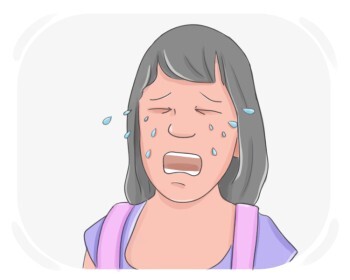
to have tears coming from your eyes as a result of a strong emotion such as sadness, pain, or sorrow
哭, 流泪

to shed tears due to strong feelings of sadness
哭泣, 啜泣
to cry loudly while making repeated, short gasping sounds, often due to intense emotions such as sadness or grief
抽泣, 啜泣
这部电影的悲剧结局让许多观众在座位上抽泣。
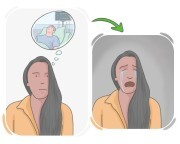
to begin to cry or become emotional
开始哭泣, 变得情绪化
每次谈话转向失去所爱的人时,他都忍不住流泪。

to cry or whine with sniffling sounds
抽泣, 啜泣
他没有面对后果,而是选择啜泣并恳求原谅。
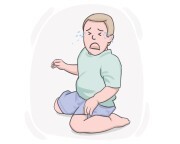
to cry out loudly and mournfully, often expressing grief, pain, or intense sorrow
哀号, 痛哭
孩子摔倒并擦伤膝盖后,痛苦地哀嚎。
to cry in a loud manner with strong emotions or distress
大哭, 嚎啕大哭
对这种情况感到沮丧,她开始无法控制地大哭。
to cry or whine while making sniffing sounds
抽泣, 啜泣
被悲伤的电影所淹没,她忍不住安静地抽泣。
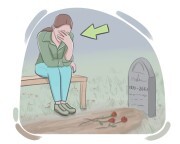
to feel intense sorrow, especially because someone has died
哀悼, 悲痛
哀悼宠物死亡的孩子在回忆中找到了安慰。
