
Mga Pandiwa ng Pandama at Emosyon - Mga Pandiwa para sa Emosyonal na mga Aksyon
Dito matututo ka ng ilang mga pandiwa sa Ingles na tumutukoy sa mga emosyonal na aksyon tulad ng "giggle", "iyak", at "lumbay".
Repasuhin
Flashcards
mga anyo
Pagbaybay
Pagsusulit
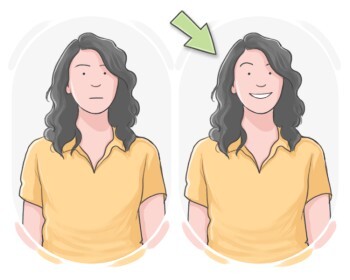
to make our mouth curve upwards, often in a way that our teeth can be seen, to show that we are happy or amused

ngumiti

to smile widely in a way that displays the teeth
ngumisi nang malawak, magpakita ng malaking ngiti
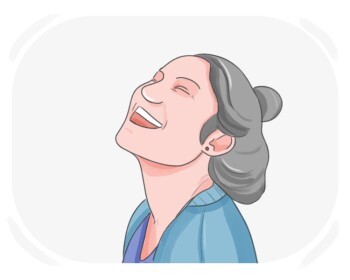
to make happy sounds and move our face like we are smiling because something is funny
tumawa, humalakhak

to laugh in a light, silly, or often uncontrollable way as a result of nervousness or embarrassment
humalik-hik, tumawa
Hindi mapigilan ng mga batang babae sa paaralan ang pagngisi nang magkuwento ng nakakatawa ang kanilang guro.

to laugh quietly and with closed lips
humalik-hik, ngisi nang hindi bukas ang bibig
Natawa nang mahina habang binabasa ang nakakatawang bahagi ng libro.
to laugh quietly in a sneaky or mocking way
patawa nang tahimik, humalakhak nang palihim
Habang pinapanood nila ang clumsy dance, ilang miyembro ng audience ang nagsimulang humalakhak nang palihim.
to laugh loudly and harshly, often in a way that sounds unpleasant or wicked
tumawa nang malakas at masama, humalakhak nang may kasamaan
Nagtagumpay ang masamang plano ng kontrabida, at siya ay tumawa nang malakas nang may tagumpay.
to laugh loudly and heartily, especially when something is very funny
tumawa nang malakas, humalakhak
Sa kabila ng kanilang mga pagtatangka na manatiling kalmado, hindi nila napigilan ang tumawa nang malakas sa kahangalan ng sitwasyon.
to give a quiet, half-suppressed laugh, often showing scorn, mockery, or disrespect
patawa nang patawa, manuya
Natawa siya nang tahimik nang marinig niya ang nakakahiyang usapan.
to laugh quietly in a restrained or nervous manner, often with short, high-pitched sounds
humalik-halik, tumawa nang nerbiyos
Hindi niya napigilan ang pag-ungol nang nerbiyos sa gitna ng awkward na katahimikan.

to give a half-smile, often displaying satisfaction, superiority, or amusement
ngumisi nang may pagmamataas, ngumisi nang may kasiyahan
Ngumisi ang malikot na bata pagkatapos maglaro ng matalinong biro sa kanyang kapatid.

to feel or show great joy, delight, or happiness
magalak, masaya
Ang mga mag-aaral ay nagagalak kapag inanunsyo ng guro ang isang sorpresang pahinga mula sa klase.
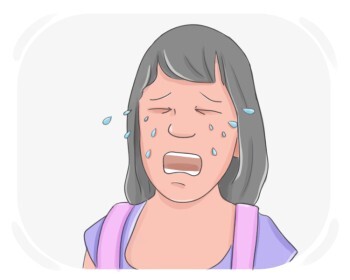
to have tears coming from your eyes as a result of a strong emotion such as sadness, pain, or sorrow
umiyak, lumuhod sa pag-iyak

to shed tears due to strong feelings of sadness
umiyak, humagulgol
to cry loudly while making repeated, short gasping sounds, often due to intense emotions such as sadness or grief
humagulgol, umiyak nang malakas
Hindi niya makontrol ang kanyang emosyon at nagsimulang humikbi matapos matanggap ang nakakasakit na balita.
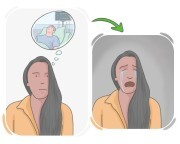
to begin to cry or become emotional
umiyak, maduluhan ng luha
Nagsisimula siyang lumuha habang naaalala ang kabaitan ng mga estranghero sa isang mahirap na panahon sa kanyang buhay.

to cry or whine with sniffling sounds
umiyak nang pautal-utal, magreklamo
Ang pagod na bata ay nagsimulang umiyak matapos tanggihan ng pangalawang cookie.
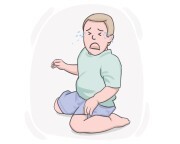
to cry out loudly and mournfully, often expressing grief, pain, or intense sorrow
umiyak nang malakas, manangis
Ang babae ay nanaghoy sa kawalan ng pag-asa nang marinig ang malungkot na balita tungkol sa aksidente ng kanyang kapatid.
to cry in a loud manner with strong emotions or distress
umiyak nang malakas, humagulgol
Ang sanggol ay nagsimulang umiyak nang malakas nang gutom na ito.
to cry or whine while making sniffing sounds
umiyak nang malakas, magngalngal
Ang upset na bata ay nagsimulang umiyak matapos mawala ang kanyang paboritong laruan.
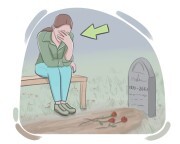
to feel intense sorrow, especially because someone has died
magdalamhati, manangis
Nagluluksa sa pagkamatay ng isang alagang hayop, ang bata ay nakakita ng ginhawa sa mga alaala.
to feel deeply sad usually due to someone's death
magluksa, manangis
Ang komunidad ay nagtipon upang magluksa sa minamahal na matanda.
to verbally express deep sadness over a loss or unfortunate situation
magdalamhati, tumangis
Ang makata ay sumulat ng mga taludtod upang tumangis sa pagkawala ng isang minamahal na pagkakaibigan.
| Mga Pandiwa ng Pandama at Emosyon | |||
|---|---|---|---|
| Mga Pandiwa para sa Mga Aksyong Pandama | Mga Pandiwa para sa Paningin | Mga Pandiwa para sa Pagiging Nakikita | Mga Pandiwa para sa Kawalan ng Pagkakita |
| Mga Pandiwa para sa Paglabas ng Tunog | Mga Pandiwa para sa Emosyonal na mga Aksyon | Mga Pandiwa para Ipahayag ang Emosyon | Mga Pandiwa para sa Empatiya |
