
Verbos de Sentidos y Emociones - Verbos para acciones emocionales
Aquí aprenderás algunos verbos en inglés que se refieren a acciones emocionales como "reír", "llorar" y "afligirse".
Revisión
Tarjetas de memoria
formas
Ortografía
Cuestionario

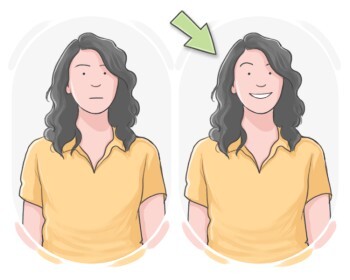
to make our mouth curve upwards, often in a way that our teeth can be seen, to show that we are happy or amused

sonreír
La fotografía capturó el momento perfectamente mientras sonreían juntos en su día de boda.

to smile widely in a way that displays the teeth
sonreír abiertamente
Al ver las viejas fotografías, no pudieron evitar sonreír ante los recuerdos.

to make happy sounds and move our face like we are smiling because something is funny
reírse
Los niños reían alegremente mientras jugaban juntos.

to laugh in a light, silly, or often uncontrollable way as a result of nervousness or embarrassment
reírse tontamente
Los amigos compartieron un chiste secreto, lo que les hizo reírse de manera incontrolable.

to laugh quietly and with closed lips
reírse entre dientes, soltar una risita
Él se rió suavemente mientras leía el pasaje humorístico del libro.
to laugh quietly in a sneaky or mocking way
reírse disimuladamente, soltar una risita
Mientras observaban el torpe baile, algunos miembros del público comenzaron a reírse disimuladamente.
to laugh loudly and harshly, often in a way that sounds unpleasant or wicked
carcajear, reír con malicia
El siniestro plan del villano tuvo éxito, y él carcajeó triunfalmente.
to laugh loudly and heartily, especially when something is very funny
reírse a carcajadas
El comentario ingenioso del comediante hizo que toda la sala estallara en carcajadas, creando una atmósfera contagiosa de risa.
to give a quiet, half-suppressed laugh, often showing scorn, mockery, or disrespect
reírse entre dientes, burlarse
Él se rió entre dientes cuando escuchó la conversación embarazosa.
to laugh quietly in a restrained or nervous manner, often with short, high-pitched sounds
reírse nerviosamente
El momento incómodo hizo que el grupo risitara con incomodidad.

to give a half-smile, often displaying satisfaction, superiority, or amusement
sonreír con suficiencia
El niño travieso sonrió con superioridad después de hacerle una broma inteligente a su hermano.

to feel or show great joy, delight, or happiness
regocijarse, alegrarse
La comunidad se regocijará cuando el nuevo parque se abra oficialmente.
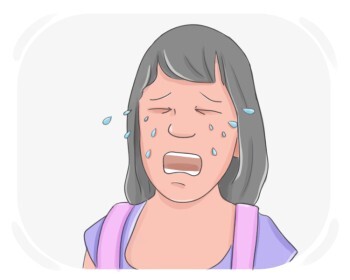
to have tears coming from your eyes as a result of a strong emotion such as sadness, pain, or sorrow
llorar
La niña lloró incontrolablemente después de perder su juguete favorito.

to shed tears due to strong feelings of sadness
llorar, sollozar
Ver las viejas fotografías trajo una lágrima nostálgica, y él comenzó a llorar.
to cry loudly while making repeated, short gasping sounds, often due to intense emotions such as sadness or grief
sollozar, llorar a lágrima viva
El niño sollozó inconsolablemente al darse cuenta de la pérdida de su querida mascota.
to begin to cry or become emotional
romper a llorar, emocionarse hasta las lágrimas
Ella empieza a llorar al recordar la amabilidad de los extraños durante un momento difícil en su vida.

to cry or whine with sniffling sounds
lloriquear, gimotear
El personaje de la película solía lloriquear cuando se enfrentaba a situaciones desafiantes.
to cry out loudly and mournfully, often expressing grief, pain, or intense sorrow
gemir, lamentarse
En la protesta, la gente llora con angustia, exigiendo justicia para las víctimas.
to cry in a loud manner with strong emotions or distress
llorar a gritos, berrear
La noticia de la pérdida lo hizo llorar a gritos de dolor.
to cry or whine while making sniffing sounds
lloriquear, gimotear
El niño frustrado empezó a lloriquear cuando le negaron un dulce.
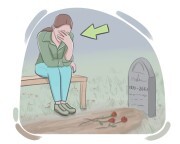
to feel intense sorrow, especially because someone has died
apenarse
Es natural lamentar la pérdida de un amigo cercano.
to feel deeply sad usually due to someone's death
llorar, estar de luto
La nación lloró la trágica pérdida de una figura prominente.
to verbally express deep sadness over a loss or unfortunate situation
lamentar, llorar
El poeta escribió versos para lamentar la pérdida de una amistad apreciada.
| Verbos de Sentidos y Emociones | |||
|---|---|---|---|
| Verbos para Acciones Sensoriales | Verbos para la Visión | Verbos para la visibilidad | Verbos para la invisibilidad |
| Verbos para la emisión de sonido | Verbos para acciones emocionales | Verbos para expresar emociones | Verbos para la Empatía |
