
Verbe ale Simțurilor și Emoțiilor - Verbe pentru acțiuni emoționale
Aici veți învăța câteva verbe în engleză care se referă la acțiuni emoționale precum "a chicoti", "a plânge" și "a se întrista".
Revizuire
Fișe de studiu
forme
Ortografie
Chestionar
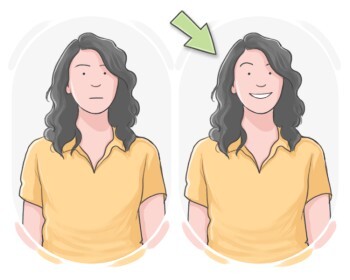
to make our mouth curve upwards, often in a way that our teeth can be seen, to show that we are happy or amused

zâmbi

to smile widely in a way that displays the teeth
a zâmbi din ureche în ureche, a arăta un zâmbet larg
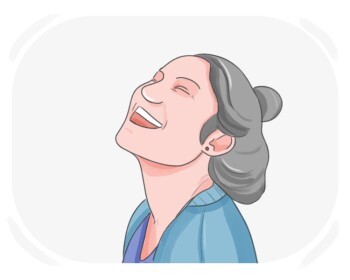
to make happy sounds and move our face like we are smiling because something is funny
râde, hohoti

to laugh in a light, silly, or often uncontrollable way as a result of nervousness or embarrassment
a chicoti, a râde

to laugh quietly and with closed lips
a râde în sinea lui, a chicoti
Nu a putut să nu râdă în sinea ei când a auzit anecdotul amuzant.
to laugh quietly in a sneaky or mocking way
a chicoti, a râde pe ascuns
Grupul de prieteni a râs în barbă la gluma pe care o împărtășeau.
to laugh loudly and harshly, often in a way that sounds unpleasant or wicked
râde răutăcios, râde cu răutate
Bătrânul nu a putut rezista să râdă cu hohot când a auzit gluma amuzantă.
to laugh loudly and heartily, especially when something is very funny
a râde cu poftă, a izbucni în râs
În ciuda încercărilor lor de a rămâne calmi, nu au putut să nu izbucnească în râs din cauza absurdității situației.
to give a quiet, half-suppressed laugh, often showing scorn, mockery, or disrespect
a chicoti, a-și bate joc
Văzând poticnirea stângace, câțiva oameni nu au putut să nu râdă subțire discret.
to laugh quietly in a restrained or nervous manner, often with short, high-pitched sounds
a chicoti, a râde nervos
Nu a putut să nu chicotească nervos în timpul tăcerii stânjenitoare.

to give a half-smile, often displaying satisfaction, superiority, or amusement
a zâmbi superior, a zâmbi satisfăcut
Auzind comentariul sarcastic, nu a putut să nu rânjească.

to feel or show great joy, delight, or happiness
a se bucura, a se veseli
Elevii se bucură când profesorul anunță o pauză surpriză din clasă.
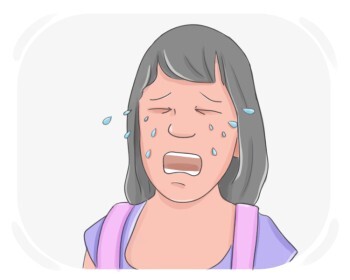
to have tears coming from your eyes as a result of a strong emotion such as sadness, pain, or sorrow
plânge, izbucni în lacrimi

to shed tears due to strong feelings of sadness
plânge, suspina
to cry loudly while making repeated, short gasping sounds, often due to intense emotions such as sadness or grief
plânge în hohote, plânge cu suspine
Nu și-a putut controla emoțiile și a început să plângă cu hohote după ce a primit vestea sfâșietoare.
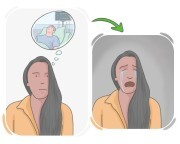
to begin to cry or become emotional
a începe să plângă, a se emoționa
Începe să i se umple ochii de lacrimi vorbind despre sprijinul pe care l-a primit de la prieteni în timpuri grele.

to cry or whine with sniffling sounds
a plânge, a se văicări
Copilul obosit a început să plângă după ce i s-a refuzat a doua prăjitură.
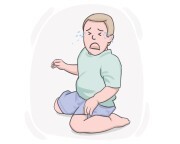
to cry out loudly and mournfully, often expressing grief, pain, or intense sorrow
a se văita, a plânge
Femeia a plâns în disperare când a auzit vestea tragică despre accidentul fratelui său.
to cry in a loud manner with strong emotions or distress
a plânge cu voce tare, a urla plângând
Bebelușul a început să țipe când i-a fost foame.
to cry or whine while making sniffing sounds
a plânge, a suspina
Copilul supărat a început să plângă după ce și-a pierdut jucăria preferată.
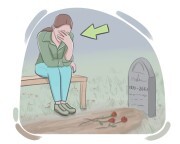
to feel intense sorrow, especially because someone has died
a plânge, a fi în doliu
Jelind moartea unui animal de companie, copilul a găsit alinare în amintiri.
| Verbe ale Simțurilor și Emoțiilor | |||
|---|---|---|---|
| Verbe pentru Acțiuni Senzoriale | Verbe pentru Viziune | Verbe pentru vizibilitate | Verbe pentru invizibilitate |
| Verbe pentru emisia sunetului | Verbe pentru acțiuni emoționale | Verbe pentru exprimarea emoțiilor | Verbe pentru Empatie |
