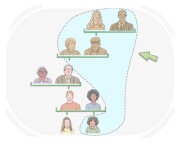

pattern

伝統的な衣服の語彙 - ハンボク

レビュー

フラッシュカード

語形

綴り

クイズ

学習を開始
Traditional Clothes Vocabulary
firsthand
firsthand
[副詞]

in a manner directly from the original source or from personal experience

直接に, 第一手から

直接に, 第一手から

Ex: She learned about the incident firsthand from a witness at the scene. 

彼女はその事件について、現場の目撃者から直接聞いた。

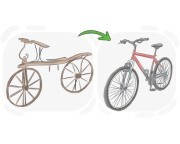
to modernize
to modernize
[動詞]

to update or improve something

近代化する, 更新する

近代化する, 更新する

Ex: The city decided to modernize its public transportation system by introducing new technology and infrastructure. 

市は新しい技術とインフラを導入することで公共交通システムを近代化することを決めました。
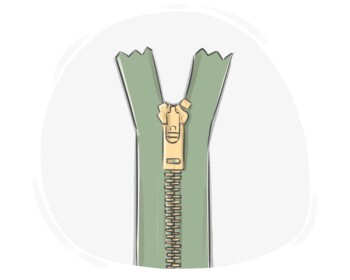
zipper
zipper
[名詞]

an object with two plastic toothed strips used for fastening the open edges of a piece of clothing, bag, etc.

ファスナー, ジッパー

ファスナー, ジッパー

Ex: She added a new zipper to her sewing kit, just in case she needed to replace one on her clothes. 

彼女は縫い物キットに新しいジッパーを追加しました、万が一服のものを交換する必要があった場合に備えて。

internationally

in a way that relates to multiple nations or the entire world

国際的に, 国際的なレベルで

国際的に, 国際的なレベルで

Ex: The film premiered internationally, showcasing cultural diversity. 

その映画は国際的に公開され、文化的多様性を紹介しました。

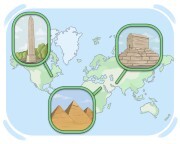
global
global
[形容詞]

regarding or affecting the entire world

グローバル, 世界的

グローバル, 世界的

Ex: The pandemic has had a global impact on public health, economies, and daily life. 

パンデミックは、公衆衛生、経済、日常生活に世界的な影響を与えました。

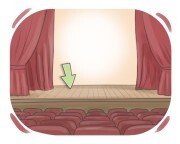
stage
stage
[名詞]

an elevated area, especially in theaters, on which artists perform for the audience

舞台, ステージ

舞台, ステージ

Ex: The theater crew set up the props and lighting on the stage for the upcoming play. 
proudly
proudly
[副詞]

with a sense of satisfaction, honor, or deep pleasure in one's achievements or identity

誇らしげに

誇らしげに

Ex: She proudly showed off her diploma to her family. 

彼女は誇らしげに自分の卒業証書を家族に見せた。

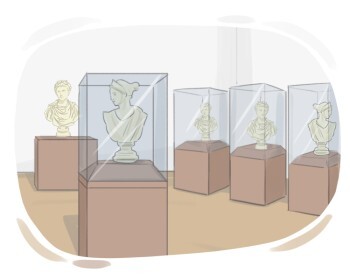
to showcase
to showcase
[動詞]

to prominently display or present something to attract attention and admiration

展示する, 紹介する

展示する, 紹介する

Ex: The art gallery will showcase the works of a renowned painter in its upcoming exhibition. 

美術館は、今度の展示会で有名な画家の作品を展示します。

heritage
heritage
[名詞]

the traditions, customs, achievements, and cultural features passed down through generations within a society or community

遺産,  伝統

遺産, 伝統

Ex: The festival celebrates the region's rich cultural heritage. 
audience
audience
[名詞]

a group of people who have gathered to watch and listen to a play, concert, etc.

観客,  聴衆

観客, 聴衆

Ex: The audience was moved by the powerful speech. 
to honor
to honor
[動詞]

to show a lot of respect for someone or something

尊敬する, 敬意を表する

尊敬する, 敬意を表する

Ex: The community honored the local hero by renaming the park in his honor. 
root
root
[名詞]

the place or point where something begins or originates

起源, 源

起源, 源

Ex: The problem has deep roots in society. 
to stand out
to stand out
[動詞]

to be prominent and easily noticeable

よく目立つ, 周囲から際立つ

よく目立つ, 周囲から際立つ

Ex: The glowing neon sign made the cafe stand out among the other businesses on the street. 

輝くネオンサインが、そのカフェを通りの他の店の中でも目立たせた。

to announce
to announce
[動詞]

to make plans or decisions known by officially telling people about them

発表する, 告知する

発表する, 告知する

Ex: The coach is announcing the starting lineup for the championship game. 
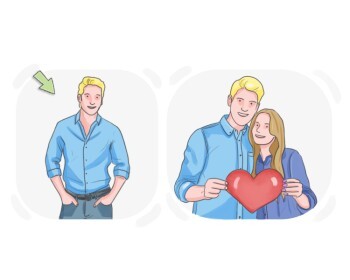
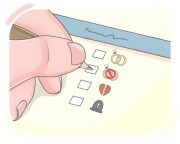
gender
gender
[名詞]

the social or personal identity of being male, female, nonbinary, or another category

ジェンダー,  性自認
ジェンダー, 性自認

Ex: The application asks users to select their gender. 
marital status

the state of being married, single, divorced, etc.

婚姻状況,  配偶関係

婚姻状況, 配偶関係

unmarried
unmarried
[形容詞]

not having a legal or official romantic partner

独身, 未婚

独身, 未婚

Ex: Despite being in a long-term relationship, they remained unmarried. 

長期的な関係にあったにもかかわらず、彼らは結婚していませんでした。

modest
modest
[形容詞]

relatively moderate, limited, or small in scope, size, or amount

控えめな, 適度な

控えめな, 適度な

Ex: They made a modest investment in the project. 

彼らはプロジェクトに控えめな投資を行った。

bachelor
bachelor
[名詞]

a man who is unmarried

独身者, 未婚の男性

独身者, 未婚の男性

Ex: As a lifelong bachelor, he enjoys the freedom to travel whenever he pleases. 

生涯独身者として、彼は好きな時に旅行する自由を楽しんでいる。

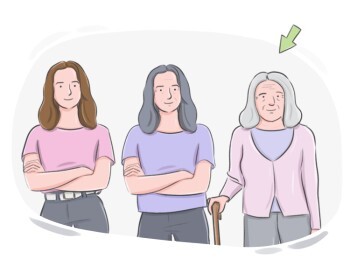
elder
elder
[名詞]

a person who is older than another, especially one respected for greater age or experience

年長者,  先輩

年長者, 先輩

Ex: Children in the community are taught to respect their elders. 
literally
literally
[副詞]

in a manner that expresses what is really intended, without exaggeration

文字通り, 本当に

文字通り, 本当に

Ex: She was so angry that she was literally shaking. 
elegant
elegant
[形容詞]

pleasingly simple and neat in design, form, or function

優雅な, 洗練された

優雅な, 洗練された

Ex: The app's interface was elegant and intuitive. 

アプリのインターフェースはエレガントで直感的でした。

structure
structure
[名詞]

the way something is built or organized, including the arrangement of its parts

構造, 組織

構造, 組織

Ex: The software has a complex structure of interconnected modules. 
over time
over time
[副詞]

as time passes or progresses

時間とともに, 時が経つにつれて

時間とともに, 時が経つにつれて

Ex: Their relationship grew stronger over time. 

彼らの関係は時間とともに強くなった。

to go back
to go back
[動詞]

to trace the existence or origin of something to a specific point in time

遡る, 遡及する

遡る, 遡及する

Ex: The tradition of celebrating the festival goes back for centuries. 

お祭りを祝う伝統は何世紀も遡ります。

period
period
[名詞]

a span of time, often with a clear beginning and end

期間, 時期
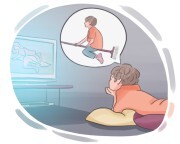
期間, 時期

Ex: The exam will last for a two-hour period. 
to influence
to influence
[動詞]

to have an effect on a particular person or thing

影響を与える, 影響を及ぼす
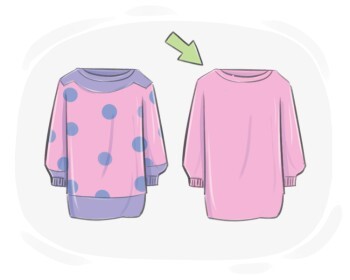
影響を与える, 影響を及ぼす

Ex: Economic policies implemented by governments can influence the overall prosperity of a nation. 
social status

position in a social hierarchy

社会的地位

社会的地位

common people

people in general (often used in the plural)

一般の人々, 民衆

一般の人々, 民衆

plain
plain
[形容詞]

simple in design, without a specific pattern

シンプル, 無地

シンプル, 無地

Ex: The curtains were plain, allowing ample sunlight to filter into the room. 
royal family
royal family
[名詞]

the king, queen, their children, and close relatives, often holding significant historical, cultural, and political influence within a monarchy

王室, 王家

王室, 王家

Ex: The British royal family has been a symbol of tradition and continuity for centuries. 

英国の王室は何世紀にもわたって伝統と継続性の象徴となっています。

social class
social class
[名詞]

a group of individuals who share similar economic, cultural, and educational status

社会階級, 社会的階層

社会階級, 社会的階層

Ex: They discussed how social class influences cultural norms and values. 

彼らは社会階級が文化的規範や価値観にどのように影響を与えるかについて議論した。

fancy
fancy
[形容詞]

elaborate, decorative, or unusually sophisticated in a way intended to impress

Ex: They stayed at a fancy hotel near the beach. 
fine
fine
[形容詞]

showing careful detail or delicate quality

繊細な, 微妙な

繊細な, 微妙な

Ex: The poet's fine choice of words conveyed complex emotions in a few lines. 
stitching
stitching
[名詞]

the lines of thread made by sewing cloth, leather, or other material together

縫い目, ステッチ

縫い目, ステッチ

Ex: The stitching on the jacket was neat and strong. 

ジャケットの縫い目はきれいで丈夫でした。

characteristic

a notable feature or quality that defines or describes something

特徴, 特性

特徴, 特性

Ex: One characteristic of her personality is her optimism. 
through
through
[前置詞]

used to express the duration of an action or state

を通じて, の間

を通じて, の間

Ex: She worked diligently through the night. 

彼女は夜通し勤勉に働いた。

to include
to include
[動詞]

to have something as a part of the whole

含む, 包括する
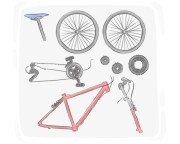
含む, 包括する

Ex: Does the package include transportation to the airport? 
to consist of

to be formed from particular parts or things

から成る, で構成される

から成る, で構成される

Ex: The salad consists of fresh greens, tomatoes, and a zesty vinaigrette. 

サラダは新鮮なグリーン、トマト、そして風味豊かなビネグレット で構成されています。
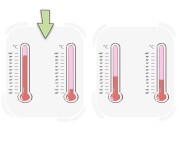
noticeable
noticeable
[形容詞]

having qualities that make something easily seen or recognized

目立つ, 顕著な

目立つ, 顕著な

Ex: The stain on his shirt was noticeable from across the room. 

彼のシャツの染みは部屋の向こう側から目立つものでした。

feature
feature
[名詞]

an important or distinctive aspect of something

特徴, 機能

特徴, 機能

Ex: The historical landmark's most notable feature is its distinctive architecture dating back to the 18th century. 
element
element
[名詞]

one of the four basic substances—earth, water, air, fire—believed in ancient and medieval thought to make up the physical world

元素, 要素

元素, 要素

Ex: Philosophers wrote about the balance of the elements. 
purity
purity
[名詞]

sexual chastity or virginity

純潔, 貞操

純潔, 貞操

Ex: The tradition placed great importance on premarital purity. 
to symbolize
to symbolize
[動詞]

to represent a more important or hidden meaning

象徴する

象徴する

Ex: The golden key that opened the mysterious chest symbolized the discovery of hidden knowledge in the ancient legend. 

謎の箱を開けた黄金の鍵は、古代の伝説に隠された知識の発見を象徴していました。

bridal
bridal
[形容詞]

relating to a bride or her wedding

花嫁の, 結婚式の

花嫁の, 結婚式の

Ex: She tried on a bridal gown for the ceremony. 

彼女は式典のために花嫁のガウンを試着しました。

hemp
hemp
[名詞]

a plant fiber

麻, 麻の繊維

麻, 麻の繊維

luxurious
luxurious
[形容詞]

extremely comfortable, elegant, and often made with high-quality materials or features

豪華な, 贅沢な

豪華な, 贅沢な

Ex: She indulged in a luxurious spa treatment, complete with massages and facials. 

彼女はマッサージやフェイシャルを含む豪華なスパトリートメントにふけった。

man-made
man-made
[形容詞]

created by humans rather than occurring naturally in the environment

人工の, 人造の

人工の, 人造の

Ex: The lake is man-made, not natural. 

その湖は人工的で、自然ではありません。

lunar
lunar
[形容詞]

relating to the moon

月の, ルナ

月の, ルナ

Ex: She purchased a lunar calendar to track the phases of the moon. 

彼女は月の満ち欠けを追跡するために月のカレンダーを購入しました。

ancestor
ancestor
[名詞]

a person from whom someone is descended, especially one who lived many generations ago

祖先,  先祖

祖先, 先祖

Ex: One of Maya's ancestors emigrated from Italy in the nineteenth century. 
to [take] part

to participate in something, such as an event or activity

Ex: He was excited to take part in the debate competition and showcase his public speaking skills. 
ritual
ritual
[名詞]

a series of actions regularly performed in the same way, often as a habit or custom

儀式,  習慣
儀式, 習慣

Ex: Drinking coffee on the balcony became her morning ritual. 
detailed
detailed
[形容詞]

including many specific elements or pieces of information

詳細な, 綿密な

詳細な, 綿密な

Ex: The report provided a detailed analysis of the company's financial performance. 

そのレポートは会社の財務実績の詳細な分析を提供した。

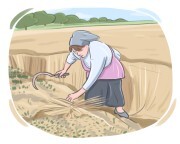
harvest
harvest
[名詞]

the act or process of gathering ripe crops

収穫,  刈り入れ

収穫, 刈り入れ

Ex: Extra workers were hired to help with the harvest. 
pride
pride
[名詞]

a sense of self-respect, dignity, or personal worth

誇り, 自尊心

誇り, 自尊心

Ex: The team showed pride in their performance. 
rental
rental
[形容詞]

of or relating to rent

レンタルの, 賃貸に関連する

レンタルの, 賃貸に関連する

LanGeek
LanGeekアプリをダウンロード