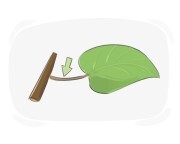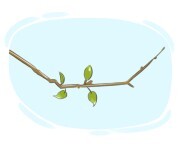

a student of or specialist in the scientific study of plants, their structure, genetics, classification, etc.

植物学者, 植物学の専門家
植物学者は、アマゾンの熱帯雨林で希少な植物種を何年もかけてカタログ化し、それらの生態学的役割を理解しました。
a plant that lives for two years and in its second year produces seeds and flowers
二年生植物, 二年草
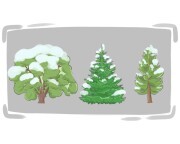
any type of plant with leaves that remain green throughout the year
常緑樹, 常緑植物
彼らは車道に沿って並ぶ常緑樹の列を賞賛し、一年中美しさとプライバシーを加えていると言った。
a small area of land used for growing a particular crop or type of plant
畑, 区画
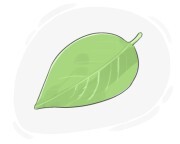
a plant or tree's branches and leaves collectively
葉, 植物
密生した葉は、暑い日に涼しい日陰を提供した。
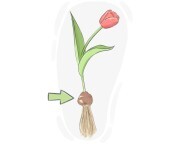
the ball-shaped root of some plants that grows anew every year
球根, 鱗茎
彼女はパントリーで忘れられていたニンニクの球根を見つけ、それをレシピに使うことに決めました。
a specially formulated mixture of organic and inorganic materials used to grow plants in containers
鉢植え用土, コンテナ栽培用の土壌混合物
the top part of a tree or other plant
樹冠, 頂部
a sealed or open container for growing and displaying small plants, often used as a decorative piece indoors
テラリウム, ミニチュアガーデン
彼女は窓辺に多肉植物と苔で美しいテラリウムを作りました。
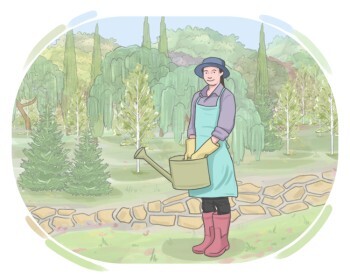
to cut off top part or some branches of trees, bushes, or other plants to help them grow faster
剪定する, 刈り込む
彼女は庭のバラの茂みを剪定し、より多くの花を咲かせるようにします。
a small group of trees planted closely together, often cultivated for their ornamental value or fruit production
木立, 果樹園
オリーブの木立が丘の斜面に広がり、毎年豊富な果実を生産していました。
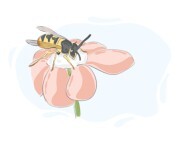
to deposit pollen on a plant or flower so that it can produce new seeds or fruit
受粉させる, 受精させる
ミツバチは花を受粉させながら蜜を集め、植物の繁殖を助けます。
a process in green plants during which the plant synthesizes using water and carbon dioxide
光合成
葉の光合成は、私たちが呼吸する酸素を生成します。
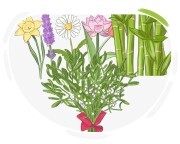
trees and plants in general, particularly those of a specific habitat or area
植生, 植物相
熱帯雨林の密な植生は、日光を濾過し、無数の野生生物を支える豊かな林冠を作り出します。
the use of plants to clean up soil, water, and air contaminated with hazardous pollutants
ファイトレメディエーション, 植物による浄化
the scientific study of fungi, including their taxonomy, biology, ecology, and uses
菌類学
菌類学の研究は、菌類の多様性と進化を理解することに焦点を当てています。
the process by which the reproductive unit of the plants or fungi begins to grow and develop into a new organism
胞子発芽, 胞子発芽の過程
the tendency of plants to grow toward or away from light, influenced by the direction and intensity of light
光屈性, 光に向かう性質
ひまわりは一日中頭を太陽に向けることで光屈性を示します。
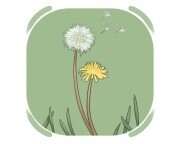
a small plant with yellow flowers that turn into round, fluffy seed heads
タンポポ, 蒲公英
子供たちはタンポポの種を吹き飛ばしました。

a flower shaped like a cup that has bright colors and blossoms in spring
チューリップ, 春に咲く、カップ形の明るい色の花
庭はさまざまなチューリップで飾られ、赤、黄、ピンクの花の鮮やかな展示を作り出していました。
a new growth or bud on a plant, typically emerging from a seed, bulb, or dormant bud
芽, 新芽
雨の後、庭は土から押し出された小さな芽でいっぱいだった。
a microscopic pore found on the surface of leaves and stems of plants, involved in gas exchange, including the uptake of carbon dioxide and release of oxygen and water vapor
気孔, ストマ
葉の表面の各気孔は開閉して植物の水分バランスを調節します。
plants without true roots, leaves, or stems, which grow in or near a body of water, such as seaweeds
藻類, 水生植物
いくつかのビーガンチーズは、クリーミーな食感とユニークな風味を実現するために藻類ベースの成分を使用しています。
the microscopic, photosynthetic organisms found in aquatic environments, such as oceans, lakes, and rivers, forming the base of the aquatic food chain
植物プランクトン, フィトプランクトン
植物プランクトンは、海洋生態系において太陽光をエネルギーに変換する重要な生産者です。
a genus of flowering shrubs and small trees known for their clusters of white or pink flowers, followed by berries, commonly found in temperate regions
ガマズミ, スノーボール
私たちの庭のガマズミの茂みは、毎年春に香りのよい白い花を咲かせます。
a small, non-vascular plant that lacks true roots, stems, and leaves, typically forming dense green mats or cushions in damp or shady environments
苔, 蘚苔類
苔が森の地面を柔らかい緑の絨毯で覆った。
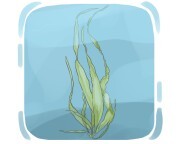
a type of plant that grows in or near the sea
海藻, 藻
私は海藻サラダの爽やかな味が好きです。
the primary, central root of a plant that grows vertically downward, typically thicker than other roots, anchoring the plant and absorbing water and nutrients
主根, 直根
ニンジンは、植物に栄養を蓄える直根で知られています。
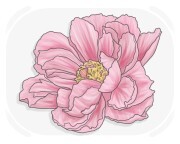
a flowering plant known for its large, showy blossoms with lush, often fragrant petals
牡丹, 中国のバラ
to cut and join a piece of a living plant to another plant so that it can continue growing from there
接ぎ木する, 移植する
the outermost part of a flower, typically green and leaf-like in appearance, protecting the flower bud before it opens
萼片, がく
バラの花のがくはピンク色に染まり、その花びらと対照的でした。
a plant in the family Euphorbiaceae, known for their diverse forms from succulents to shrubs, typically characterized by milky sap and unique flower structures
ユーフォルビア, トウダイグサ科の植物
庭のユーフォルビアは明るい黄色の花と厚くて肉厚の葉を持っていました。