
Niepowodzenie - Zagubiony w grze
Opanuj angielskie idiomy związane z przegraną w grze, takie jak "zgniłe jajko" i "nie ma szans".
Powtórka
Fiszki
Test
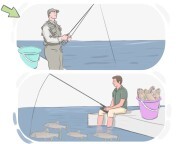
someone or something that is unsuccessful and in need of help

nieudacznik potrzebujący pomocy, beznadziejny przypadek
Stary system stał się beznadziejnym przypadkiem wymagającym stałego wsparcia.
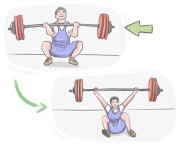
someone who keeps failing at things they try to do, particularly in a hilarious or horrendous way
wieczny nieudacznik, totalny nieudacznik
Nie pozwól temu wiecznemu nieudacznikowi obsługiwać sprzętu do prezentacji.

a course or situation that yields no useful results
ślepa uliczka, bezowocna droga
Nowa teoria zaprowadziła badaczy w ślepą uliczkę.

someone who accomplishes nothing or is of no use
kompletnie bezużyteczny, do niczego
Próbowała pomóc, ale była kompletnie bezużyteczna.
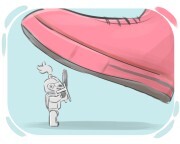
something that is very unlikely to succeed
z góry przegrana sprawa, beznadziejna walka
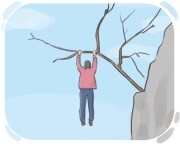
to be certain to fail because of being in an awful situation
być skończonym, nie mieć szans
Gdy tylko pojawiły się dowody, był skończony.
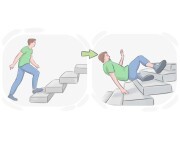
used when one's actions failed to achieve any success or make any progress
wysiłek poszedł na marne, nic nie osiągnąć
Próbowała zdobyć ich poparcie, ale jej wysiłek poszedł na marne.
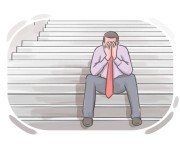
to reach the lowest possible point in a particular situation, often in terms of emotional or financial well-being
sięgnąć dna, dojść do najniższego punktu
Podczas kryzysu rynek osiągnął najniższy poziom.
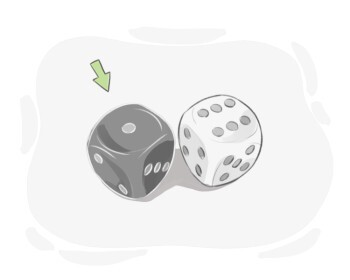
to have no chance of achieving success
nie mieć żadnych szans, być bez szans
Mały sklep nie miał żadnych szans z dużymi sieciami.
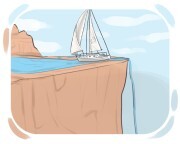
the point at which making further progress becomes nearly impossible
koniec drogi, dalej się nie da
Po trzeciej odmowie jego plan wydawał się być na końcu drogi.
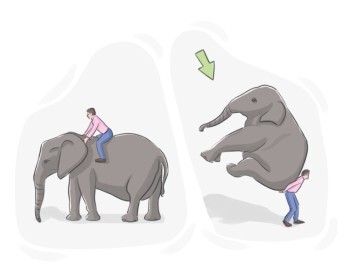
used to say that one has no chance in achieving success or is out of luck when trying to do something
bez szans, daremne
Zaoferowali mniej pieniędzy, ale sprzedawca powiedział: bez szans.
to experience a significant decline, failure, or deterioration in a situation, project, or endeavor
pójść na dno, rozpaść się
Cała nasza ciężka praca poszła na marne przez jeden błąd.
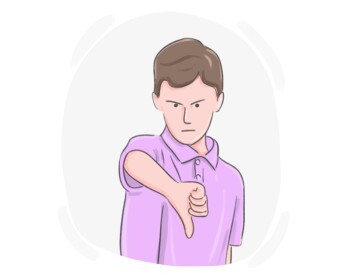
to be extremely unsuccessful or very badly received
zostać fatalnie przyjętym, nie zostać dobrze przyjętym
Przemówienie nie zostało dobrze przyjęte na konferencji.

a person, organization, plan, or other thing that was once considered promising or successful but has failed to achieve expectations or lost its ability to succeed
a person, group, or organization that was once powerful, active, or influential but has lost most or all of its strength, effectiveness, or importance
a person who is certain to face serious trouble, punishment, defeat, or other unpleasant consequences, especially because of something they have done
a person or thing that is too weak, unreliable, or ineffective to provide the support or help expected or needed
no longer considered useful, valuable, or relevant and therefore discarded, rejected, or excluded, especially after previously being active or successful
people or things within an organization or system that are no longer useful, productive, or effective and are regarded as unnecessary or as obstacles to progress

a person considered completely useless, incompetent, or incapable of making a worthwhile contribution, used as a strongly insulting expression
