
Książka Headway - Średnio zaawansowany wyższy - Jednostka 5
Tutaj znajdziesz słownictwo z Unitu 5 w podręczniku Headway Upper Intermediate, takie jak "tolerować", "krytyka", "przejąć" itp.
Przegląd
Fiszki
formy
Pisownia
Test

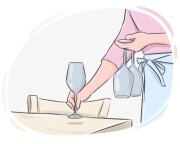
to place something somewhere noticeable

wywiesić, umieścić w widocznym miejscu
Zawieszę baner, aby powitać gości na imprezie.
![to [take] it for granted](/assets/img/no-pic-700w.png "to [take] it for granted")
to assume without question that something is true
brać za pewnik, uznać za oczywiste
Wzięliśmy za pewnik, że dane są dokładne.
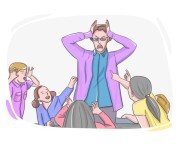
to tolerate something or someone unpleasant, often without complaining
znosić, tolerować
Mieszkańcy znoszą hałas życia miejskiego dla wygód, które oferuje.
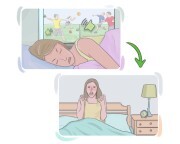
to allow something one dislikes, especially certain behavior or conditions, without interference or complaint
tolerować, znosić
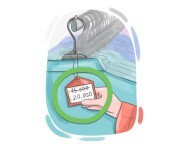
having grown or become larger in amount or degree
zwiększony, wzrosły
Zwiększone koszty utrzymania utrudniły wielu rodzinom związać koniec z końcem.
![to [have] a problem with {sb/sth}](https://cdn.langeek.co/photo/72586/thumb/350?type=jpeg "to [have] a problem with {sb/sth}")
to not to be able to approve or accept someone or something
used to emphasize an opinion or the point one is making
bez wątpienia, niewątpliwie
Wpływ zmian klimatu na środowisko jest bez wątpienia globalnym problemem.
to occur at a specific time or location
to make something stop or prevent it from happening, often in a temporary way
to become aware of someone or something and pay them attention
to assign someone to be responsible for a task or group of people
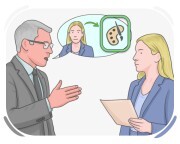
the obligation to perform a particular duty or task that is assigned to one
odpowiedzialność, obowiązek
to listen to and follow the guidance or suggestions offered by another person
![to [take] part](https://cdn.langeek.co/photo/60819/thumb/350?type=jpeg "to [take] part")
to participate in something, such as an event or activity
negative feedback that highlights mistakes or areas for improvement
krytyka, nagana
to listen to and accept negative feedback or comments about oneself or one's work, and to use that feedback to improve oneself or one's work
to try to influence or persuade someone to do something by applying force, stress, or urgency
to require a very long time to complete something, often much longer than expected or necessary
![to [get|take|keep] {one's} mind off {sth}](https://cdn.langeek.co/photo/46354/thumb/350?type=jpeg "to [get|take|keep] {one's} mind off {sth}")
to distract someone's attention or thoughts away from something, typically something stressful, worrisome, or unpleasant
oderwać myśli od czegoś, zająć czymś głowę
Weekendowy wyjazd może na chwilę oderwać twoje myśli od pracy.
to need a significant amount of time to be able to happen, be completed, or achieved
![to [take] it easy](https://cdn.langeek.co/photo/38889/thumb/relax/350?type=jpeg "to [take] it easy")
to try to be calm and relaxed and possibly rest
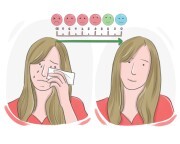
to become less angry, upset, or worried
stać się mniej zdenerwowanym zmartwionym lub rozgniewanym, uspokoić się
Po wypadku zajęło jej trochę czasu, żeby się uspokoić.
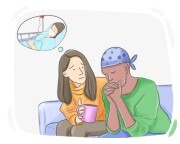
in a similar or identical situation to someone else, particularly a difficult or unpleasant one
być na jego miejscu, w jego sytuacji
Gdybym był na twoim miejscu, przyjąłbym ofertę.
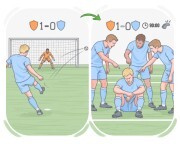
a wrong move or act
wina, błąd
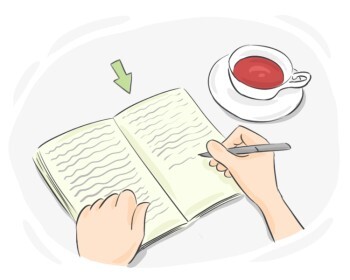
a book or journal in which a person regularly records experiences, events, thoughts, or feelings
dziennik, pamiętnik
to interpret or perceive a comment, action, or situation as being directed towards oneself, and to feel hurt, offended, or insulted as a result
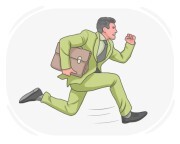
to move or do something very quickly, particularly because of a lack of time
spieszyć się, pośpieszać
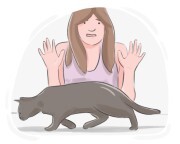
a sudden intense feeling of fear or anxiety that makes it difficult to think or act calmly
panika
to say or do something that is embarrassing, inappropriate, or offensive, usually without intending to
to retract a statement, opinion, or promise, especially in an apologetic manner
cofnąć, wycofać się
Żałował swojego komentarza i wycofał go podczas spotkania.
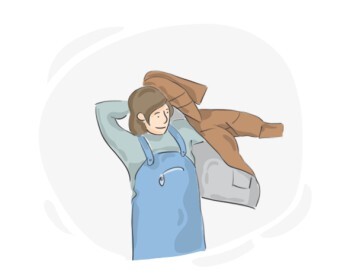
to place or wear something on the body, including clothes, accessories, etc.
założyć ubranie lub dodatek, umieścić coś na ciele
Nie zapomnij założyć okularów.
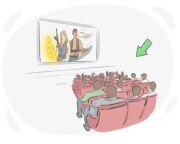
to observe something with one's eyes, often paying close attention to the details
obserwować, badać
Gdy film się zaczął, publiczność przyjęła scenę otwarcia.
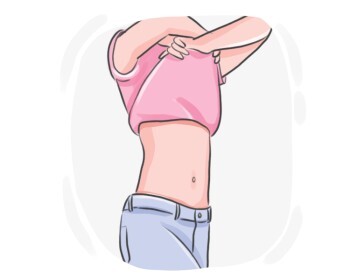
to remove a piece of clothing or accessory from your or another's body
zdjąć ubranie lub dodatek, zdjąć coś z własnego lub cudzego ciała
Proszę zdejmować buty przed wejściem do domu.
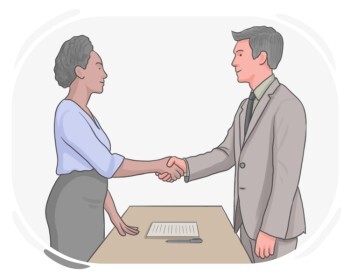
to hire someone
zatrudniać, przyjmować do pracy
Zespół zdecydował się zatrudnić ją jako konsultantkę ze względu na jej ekspertyzę.
to gain control or possession of something through force, effort, or strategy
przejąć,zawładnąć
Nowy CEO planuje przejąć firmę i wprowadzić znaczące zmiany.
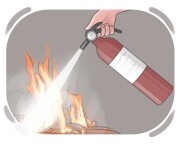
to make something stop burning or shining
zgasić, sprawić że coś przestanie się palić lub świecić
Zapomniał zgasić papierosa, powodując małe przypalenie na dywanie.

to postpone an appointment or arrangement
przełożyć, odroczyć
Wydarzenie inauguracyjne zostało przełożone z powodu trudności technicznych.
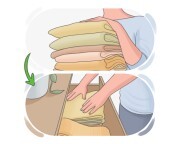
to place something where it should be after using it
odłożyć coś na miejsce po użyciu, posprzątać coś i odłożyć we właściwe miejsce
Zanim opuścił biuro, upewnił się, że odłożył wszystkie pliki.
to argue or disagree with someone over something
used to introduce an explanation or a reason for something; often a way of clarifying a situation
rzecz w tym, problem w tym, że
Chętnie bym do was dołączył, ale rzecz w tym, że obiecałem już opiekować się dzieckiem.
to resolve a situation or make amends for a mistake or wrongdoing
naprawić, wynagrodzić
Ona próbuje naprawić błędy, które popełniła podczas prezentacji.
to be excessively obsessed with someone, especially in a way that seems strange or unreasonable
to like being with someone and find their presence pleasant or enjoyable
the type of person, place, thing, etc. that someone likes, prefers, or feels suited to
to treat or portray something as more important, significant, or serious than it actually is, often resulting in exaggerated attention or drama
to decide to do something that may result in something unpleasant or dangerous
any type of behavior or expression that is disrespectful, hurtful, or unpleasant towards another person or group of people
obraza, wykroczenie
