pattern

Headway - Upper Intermediate - Unit 5

Here you will find the vocabulary from Unit 5 in the Headway Upper Intermediate coursebook, such as "tolerate", "criticism", "take over", etc.

Review

Flashcards

Forms

Spelling

Quiz

Start learning
Headway - Upper Intermediate
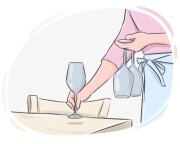
to put up
to put up
[Verb]

to place something somewhere noticeable

Ex: The gallery put up artwork by local artists for the exhibition. 
Close
Sign in
to [take] it for granted

to assume without question that something is true
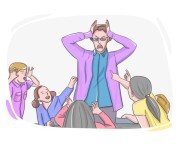
Ex: I took it for granted that the meeting was still on. 
Close
Sign in
to put up with

to tolerate something or someone unpleasant, often without complaining
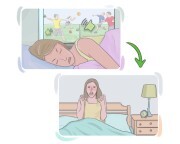
Ex: Parents often put up with the messiness of young children for the joy they bring. 
Close
Sign in
to tolerate

to allow something one dislikes, especially certain behavior or conditions, without interference or complaint
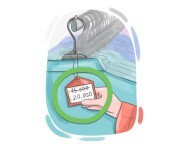
Ex: She tolerates the inconveniences of public transportation without complaining. 
Close
Sign in
increased
increased
[Adjective]

having grown or become larger in amount or degree

Ex: Due to the increased demand, the company hired more employees. 
Close
Sign in
to [have] a problem with {sb/sth}

to not to be able to approve or accept someone or something

Ex: He clearly has a problem with his neighbor's loud music. 
Close
Sign in
without doubt

used to emphasize an opinion or the point one is making

Ex: The view from the top of the mountain is, without doubt, breathtaking. 
Close
Sign in
to [take] place

to occur at a specific time or location

Ex: The wedding will take place in a beautiful garden by the lake. 
Close
Sign in
to [put] a stop to {sth}

to make something stop or prevent it from happening, often in a temporary way

Ex: The police put a stop to the riot by arresting the rioters. 
Close
Sign in
to [take] notice

to become aware of someone or something and pay them attention

Ex: It's essential to take notice of the warning signs posted in the construction zone. 
Close
Sign in
to [put] {sb} in charge

to assign someone to be responsible for a task or group of people
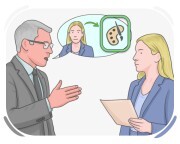
Ex: They put her in charge of organizing the event. 
Close
Sign in
responsibility

the obligation to perform a particular duty or task that is assigned to one

Ex: She accepted the responsibility of leading the project team. 
Close
Sign in
to [take] {one's} advice

to listen to and follow the guidance or suggestions offered by another person

Ex: I decided to take my friend's advice and invest in that stock. 
Close
Sign in
to [take] part
to take part
[phrase]

to participate in something, such as an event or activity

Ex: He was excited to take part in the debate competition and showcase his public speaking skills. 
Close
Sign in
criticism
criticism
[noun]

negative feedback that highlights mistakes or areas for improvement

Ex: His criticism helped me see flaws I hadn’t noticed before. 
Close
Sign in
to [take] criticism

to listen to and accept negative feedback or comments about oneself or one's work, and to use that feedback to improve oneself or one's work

Ex: He struggles to take criticism without feeling upset. 
Close
Sign in
to [put] pressure on

to try to influence or persuade someone to do something by applying force, stress, or urgency

Ex: The boss put pressure on the team to meet the deadline. 
Close
Sign in
to [take] ages
to take ages
[phrase]

to require a very long time to complete something, often much longer than expected or necessary

Ex: Sometimes, finding a parking space in the city takes ages. 
Close
Sign in
to [get|take|keep] {one's} mind off {sth}

to distract someone's attention or thoughts away from something, typically something stressful, worrisome, or unpleasant

Ex: I went for a long walk to take my mind off the interview. 
Close
Sign in
to [take] time
to take time
[phrase]

to need a significant amount of time to be able to happen, be completed, or achieved

Ex: Learning a new language can take time, patience, and practice. 
Close
Sign in
to [take] it easy

to try to be calm and relaxed and possibly rest
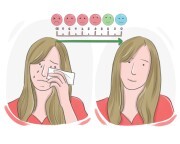
Ex: You've been working really hard lately; it's time to take it easy for a while. 
Close
Sign in
to calm down

to become less angry, upset, or worried
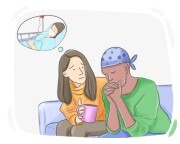
Ex: After the accident, it took her a while to calm down. 
Close
Sign in
in {one's} shoes

in a similar or identical situation to someone else, particularly a difficult or unpleasant one
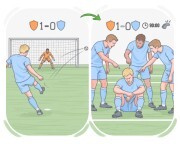
Ex: I wouldn't know what to do in her shoes. 
Close
Sign in
fault
fault
[noun]

a wrong move or act

Ex: It was her fault that the project missed its deadline due to her delay. 
Close
Sign in
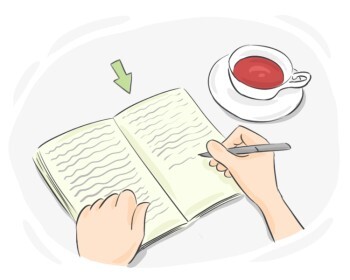
diary
diary
[noun]

a book or journal in which one records personal experiences, thoughts, or feelings on a regular basis, usually on a daily basis

Ex: She kept a diary throughout her travels, documenting her experiences and the people she met along the way. 
Close
Sign in
to [take] {sth} personally

to interpret or perceive a comment, action, or situation as being directed towards oneself, and to feel hurt, offended, or insulted as a result

Ex: Don’t take it personally; he was just having a bad day. 
Close
Sign in
to hurry
to hurry
[Verb]

to move or do something very quickly, particularly because of a lack of time
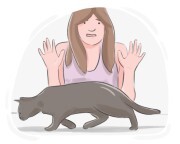
Ex: Realizing he was late for the meeting, John hurried to the conference room. 
Close
Sign in
panic
panic
[noun]

a feeling of extreme fear and anxiety that makes one unable to think clearly

Ex: The fire alarm caused everyone to rush out in panic. 
Close
Sign in
to [put] {one's} foot in it

to say or do something that is embarrassing, inappropriate, or offensive, usually without intending to

Ex: I didn’t mean to put my foot in it, but I accidentally insulted her new dress. 
Close
Sign in
to take back

to retract a statement, opinion, or promise, especially in an apologetic manner
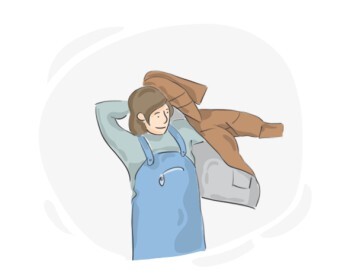
Ex: He took back his harsh words and apologized for his behavior. 
Close
Sign in
to put on
to put on
[Verb]

to place or wear something on the body, including clothes, accessories, etc.
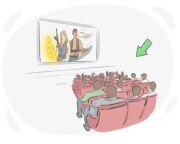
Ex: I always put on my helmet before riding my bike. 
Close
Sign in
to take in

to observe something with one's eyes, often paying close attention to the details
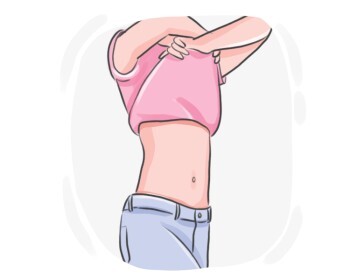
Ex: The scientist took in the details of the microscopic organisms under the microscope. 
Close
Sign in
to take off

to remove a piece of clothing or accessory from your or another's body
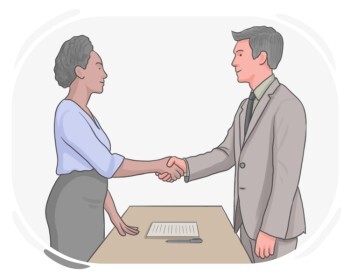
Ex: After a long day at work, I like to take off my high heels. 
Close
Sign in
to take on

to hire someone

Ex: The company decided to take on new employees to meet the growing demand. 
Close
Sign in
to take over

to gain control or possession of something through force, effort, or strategy
Ex: The new CEO plans to take the company over and implement significant changes. 
Close
Sign in
to put out

to make something stop burning or shining
Ex: Please put out the campfire before leaving the site. 
Close
Sign in
to put off

to postpone an appointment or arrangement
Ex: We had to put off the meeting because of the storm. 
Close
Sign in
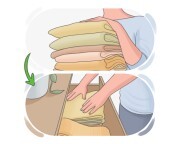
to put away

to place something where it should be after using it

Ex: The decorations were boxed up and put away for next year. 
Close
Sign in
to [take] issue

to argue or disagree with someone over something

Ex: She took issue with the company's new policy on employee benefits. 
Close
Sign in
the thing is
the thing is
[phrase]

used to introduce an explanation or a reason for something; often a way of clarifying a situation

Ex: The thing is, my parents like me to be home by ten o'clock. 
Close
Sign in
to put right

to resolve a situation or make amends for a mistake or wrongdoing

Ex: It took a lot of effort to put right the damage caused by the storm. 
Close
Sign in
to [have] a thing (for|about) {sb/sth}

to be excessively obsessed with someone, especially in a way that seems strange or unreasonable

Ex: She has a thing for classic cars and collects them. 
Close
Sign in
to [enjoy] {one's} company

to like being with someone and find their presence pleasant or enjoyable

Ex: I always enjoy your company when we go out for dinner. 
Close
Sign in
{one's} kind of {sb/sth}

the type of person, place, thing, etc. that someone likes, prefers, or feels suited to

Ex: He may have initially been attracted to your looks, but once he got to know you better, he realized that you're not his kind of person. 
Close
Sign in
to [make] a big (thing|deal) (out|) of {sth}

to treat or portray something as more important, significant, or serious than it actually is, often resulting in exaggerated attention or drama

Ex: Don’t make a big deal out of it; it’s just a minor mistake. 
Close
Sign in
to [take] a risk

to decide to do something that may result in something unpleasant or dangerous

Ex: Starting a new business involves taking a risk, as success is not guaranteed. 
Close
Sign in
offense
offense
[noun]

any type of behavior or expression that is disrespectful, hurtful, or unpleasant towards another person or group of people

Ex: Her comment was seen as an offense, though it wasn’t intended to be hurtful. 
Close
Sign in
LanGeek
Download LanGeek app