
Vocabulário Avançado para o TOEFL - Biologia
Aqui você aprenderá algumas palavras em inglês sobre biologia, como "enzima", "micróbio", "feto", etc., que são necessárias para o exame TOEFL.
Revisar
Flashcards
Ortografia
Quiz

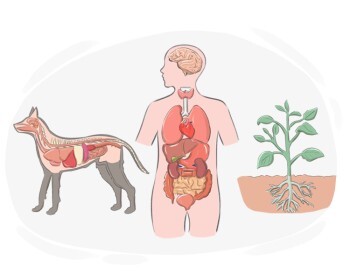
the branch of science that is concerned with the physical structure of humans, animals, or plants

anatomia
O livro didático sobre anatomia incluía diagramas detalhados dos sistemas muscular e esquelético.
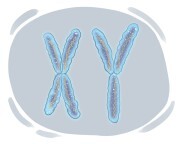
(genetics) a thread-like structure of DNA that carries genes inside the cell nucleus
cromossomo
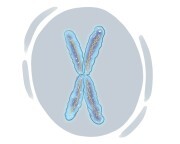
(genetics) the sex chromosome found twice in females and once in males
cromossomo X
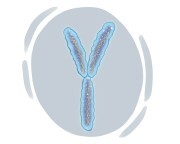
(genetics) the sex chromosome found only in males, passed from father to son
cromossomo Y, cromossomo sexual Y
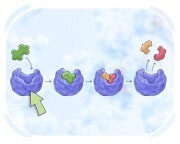
a biological molecule, usually a protein, that speeds up a specific chemical reaction without being consumed in the process
enzima, fermento

any foreign substance in the body that can trigger a response from the immune system
antígeno, substância antigênica
Um resultado de teste positivo indica que o antígeno está presente na amostra.
a microscopic organism, especially one that can cause disease
micróbio
to retain something such as eggs or bacteria in a favorable condition to help them develop
incubar, chocar
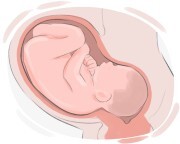
an offspring of a human or animal that is not born yet, particularly a human aged more than eight weeks after conception
feto, embrião
Testes genéticos foram realizados para verificar quaisquer anomalias no feto.

an unhatched or unborn offspring in the process of development, especially a human offspring roughly from the second to the eighth week after fertilization
embrião, feto
Debates éticos frequentemente surgem em torno do uso de embriões humanos em pesquisas com células-tronco e tratamentos médicos.
(of a female animal or human) to produce an ovum from the ovary
ovular
A cadela ovula duas vezes por ano durante o seu ciclo de cio.
to experience genetic changes
mudar, sofrer alterações genéticas
O vírus da gripe tende a mutar regularmente, tornando-o um desafio para prever e prevenir.
(biology) an organism that has traits changed by a mutation in its DNA
mutante, mutado
a colorless liquid consisting of white blood cells that helps to prevent infections from spreading
linfa, líquido linfático
A linfa incolor ajuda a transportar células imunológicas para áreas que necessitam de defesa.
(biology) a basic cell that can divide and turn into many different specialized cell types
célula-tronco
a thin layer of living tissue that covers, lines, connects, or separates parts of an organism
membrana, membrana celular
(biochemistry) an oily or fatty molecule that does not dissolve in water and is a key building block of cell membranes
lipídio, lípido
(biochemistry) a small molecule that cells link together to build proteins
aminoácido
a cell that is responsible for transmitting nerve impulses between the brain and the rest of the body
neurónio, célula nervosa
A aprendizagem e a memória dependem da capacidade dos neurônios de formar novas conexões.
a chemical substance that transmits messages from a neuron to another one or to a muscle
neurotransmissor
Os neurotransmissores transmitem sinais de um neurônio para outro através das sinapses.
an organelle that is abundantly present in most cells and is responsible for energy production
mitocôndria, organelo produtor de energia
As mitocôndrias contêm seu próprio DNA, separado do DNA nuclear, o que é essencial para sua função e replicação.
able to survive and function in environments that lack oxygen
anaeróbio, anaeróbico
a steroid hormone that the body produces and is used in medicine to help cure skin diseases
cortisol, hormônio esteroide que o corpo produz e é usado na medicina para ajudar a curar doenças de pele
O medicamento contém cortisol para reduzir a inflamação e o inchaço.
(biochemistry) the main male sex hormone that controls male traits and reproduction
testosterona
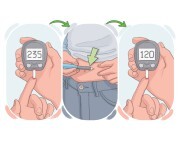
(biochemistry) a hormone from the pancreas that helps cells take in sugar from the blood
insulina
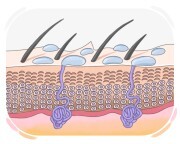
(of a cell, gland, or organ) to produce and release a liquid substance in the body
secretar, produzir
As glândulas sudoríparas secretam suor, ajudando a regular a temperatura corporal.
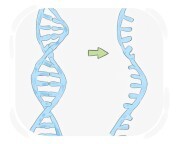
(biochemistry) a chemical substance that carries the information from DNA to control the cellular protein biosynthesis
RNA, ácido ribonucleico
Os cientistas editaram o RNA para corrigir um mau funcionamento celular.
(biology) a nerve ending or cell that detects changes in the environment and sends signals to the nervous system
receptor
the complete set of genetic material of any living thing
genoma
Avanços nas tecnologias de edição do genoma, como o CRISPR, permitem que os cientistas modifiquem com precisão o material genético dos organismos para fins de pesquisa e terapêuticos.
(of genes) causing a person to inherit a particular physical feature, even if it is only present in one parent's genome
dominante, predominante
(genetics) the set of rules by which the order of DNA building blocks is translated into proteins
código genético
something that causes or prompts a physical, psychological, or behavioral response
estímulo, incentivo
(biochemistry) the main female sex hormone that controls reproduction and female traits
estrogênio
an animal or plant with parents that belong to different breeds or varieties
híbrido, cruzamento
O proprietário do vinhedo introduziu um novo híbrido de uva em sua coleção, que produziu um perfil de sabor único ideal para a vinificação.
a cell or a group of cells created through a natural or artificial process from a source that they are genetically identical to
clone, clonagem
Ao usar um clone das células imunológicas, os pesquisadores visavam desenvolver um tratamento mais eficaz para a doença.
