pattern

Avancerat Ordförråd för TOEFL - Biologi

Här kommer du att lära dig några engelska ord om biologi, såsom "enzym", "mikrob", "foster" etc. som behövs för TOEFL-provet.

Recension

Flashcards

Stavning

Quiz

Starta lärandet
Advanced Words Needed for TOEFL
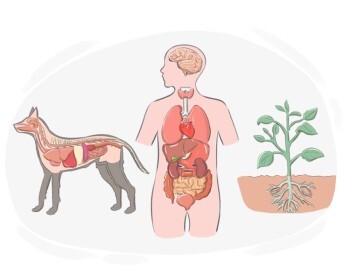
anatomy
anatomy
[Substantiv]

the branch of science that is concerned with the physical structure of humans, animals, or plants

anatomi

anatomi

Ex: His research in comparative anatomy helped explain evolutionary relationships among species. 

Hans forskning i jämförande anatomi hjälpte till att förklara de evolutionära sambanden mellan arter.
Stäng
Logga in
chromosome
chromosome
[Substantiv]

a very small threadlike structure in a living organism that carries the genes and genetic information

kromosom, kromosomalt element

kromosom, kromosomalt element

Ex: An extra chromosome 21 causes Down syndrome. 
Stäng
Logga in
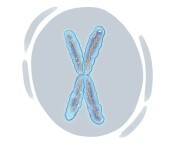
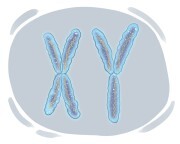
X chromosome
X chromosome
[Substantiv]

a sex chromosome, two of which exist in female cells and only one in male cells

X-kromosom, könskromosom X

X-kromosom, könskromosom X

Ex: Color blindness is often linked to a gene on the X chromosome. 
Stäng
Logga in
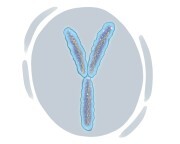
Y chromosome
Y chromosome
[Substantiv]

a sex chromosome, which is normally present only in male cells

Y-kromosom, Y kromosom

Y-kromosom, Y kromosom

Ex: Scientists use the Y chromosome to trace paternal ancestry. 
Stäng
Logga in
enzyme
enzyme
[Substantiv]

a substance that all living organisms produce that brings about a chemical reaction without being altered itself

enzym

enzym

Ex: Enzymes in saliva begin the process of starch digestion even before food enters the stomach. 
Stäng
Logga in
antigen
antigen
[Substantiv]

any foreign substance in the body that can trigger a response from the immune system

antigen, antigen substans

antigen, antigen substans

Ex: The body's defense mechanism identifies the antigen as foreign. 

Kroppens försvarsmekanism identifierar antigenet som främmande.

Stäng
Logga in
microbe
microbe
[Substantiv]

a very small living organism that cannot be seen without a microscope and can cause a disease

mikrob, mikroorganism

mikrob, mikroorganism

Ex: A single microbe can multiply into millions within just a few hours. 
Stäng
Logga in
to incubate

to retain something such as eggs or bacteria in a favorable condition to help them develop

inkubera, ruva

inkubera, ruva

Stäng
Logga in
fetus
fetus
[Substantiv]

an offspring of a human or animal that is not born yet, particularly a human aged more than eight weeks after conception

foster, embryo

foster, embryo

Ex: The fetus had started to move by the end of the first trimester. 

Fostret hade börjat röra sig vid slutet av det första trimester.

Stäng
Logga in
embryo
embryo
[Substantiv]

an unhatched or unborn offspring in the process of development, especially a human offspring roughly from the second to the eighth week after fertilization

embryo, foster

embryo, foster

Ex: In the laboratory, scientists can observe the growth and development of a mouse embryo under controlled conditions. 

I laboratoriet kan forskare observera tillväxten och utvecklingen av en musembryo under kontrollerade förhållanden.

Stäng
Logga in
to ovulate

(of a female animal or human) to produce an ovum from the ovary

ovulera

ovulera

Ex: The doctor explained that women ovulate approximately once a month. 

Läkaren förklarade att kvinnor ovulerar ungefär en gång i månaden.

Stäng
Logga in
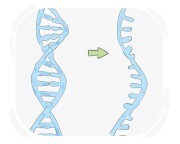
to mutate
to mutate
[Verb]

to experience genetic changes

mutera, genomgå genetiska förändringar

mutera, genomgå genetiska förändringar

Ex: The DNA of a population can slowly mutate, contributing to evolutionary processes. 

En populations DNA kan långsamt mutera, vilket bidrar till evolutionära processer.

Stäng
Logga in
mutant
mutant
[Substantiv]

a living organism that is different from its kind because of a genetic change

mutant, en levande organism som skiljer sig från sin art på grund av en genetisk förändring

mutant, en levande organism som skiljer sig från sin art på grund av en genetisk förändring

Ex: The mutant survived the pesticide while the others died off. 
Stäng
Logga in
lymph
lymph
[Substantiv]

a colorless liquid consisting of white blood cells that helps to prevent infections from spreading

lymfa, lymfvätska

lymfa, lymfvätska

Ex: Increased lymph production is a response to an infection. 

Ökad lymfproduktion är ett svar på en infektion.

Stäng
Logga in
stem cell
stem cell
[Substantiv]

(biology) a basic type of cell in a multicellular organism, which develops into different kinds of cells with different functions

stamcell, odifferentierad cell

stamcell, odifferentierad cell

Ex: The therapy uses harvested stem cells from the patient's own adipose tissue to avoid rejection. 
Stäng
Logga in
membrane
membrane
[Substantiv]

a thin sheet of tissue that separates or covers the inner parts of an organism

membran, hinna

membran, hinna

Ex: The membranes between muscles and bones are crucial for movement. 

Membranerna mellan muskler och ben är avgörande för rörelse.

Stäng
Logga in
lipid
lipid
[Substantiv]

any of a class of organic substances that do not dissolve in water that include many natural oils, waxes, and steroids

lipid, fett

lipid, fett

Ex: Lipids store energy and help insulate the body against cold. 
Stäng
Logga in
amino acid
amino acid
[Substantiv]

any organic compound that creates the basic structure of proteins

aminosyra, aminobas

aminosyra, aminobas

Ex: She analyzed the amino acid composition of the plant-based protein powder. 
Stäng
Logga in
neuron
neuron
[Substantiv]

a cell that is responsible for transmitting nerve impulses between the brain and the rest of the body

neuron, nervcell

neuron, nervcell

Ex: The reflex arc involves a direct signal from sensory to motor neurons. 

Reflexbågen innebär en direkt signal från sensoriska neuroner till motoriska neuroner.

Stäng
Logga in
neurotransmitter
neurotransmitter
[Substantiv]

a chemical substance that transmits messages from a neuron to another one or to a muscle

neurotransmittor

neurotransmittor

Ex: Serotonin acts as a neurotransmitter that affects sleep and mood. 

Serotonin fungerar som en neurotransmittor som påverkar sömn och humör.

Stäng
Logga in
mitochondrion
mitochondrion
[Substantiv]

an organelle that is abundantly present in most cells and is responsible for energy production

mitokondrie, energiproducerande organell

mitokondrie, energiproducerande organell

Ex: Mitochondria are known as the powerhouse of the cell, producing energy through aerobic respiration. 

Mitokondrier är kända som cellens kraftverk, som producerar energi genom aerob andning.

Stäng
Logga in
anaerobic
anaerobic
[adjektiv]

not needing free oxygen to function

anaerob, syrefri

anaerob, syrefri

Ex: These anaerobic microbes die quickly when exposed to normal atmospheric conditions. 
Stäng
Logga in
cortisol
cortisol
[Substantiv]

a steroid hormone that the body produces and is used in medicine to help cure skin diseases

kortisol, ett steroidhormon som kroppen producerar och som används inom medicinen för att hjälpa till att bota hudsjukdomar

kortisol, ett steroidhormon som kroppen producerar och som används inom medicinen för att hjälpa till att bota hudsjukdomar

Ex: Cortisol plays a role in controlling the body's sleep-wake cycle. 

Kortisol spelar en roll i att kontrollera kroppens sömn-vakcykel.

Stäng
Logga in
testosterone
testosterone
[Substantiv]

a hormone related to gender that is produced by male body to develop typical male features

testosteron

testosteron

Ex: The testes produce most of the testosterone in the male body. 
Stäng
Logga in
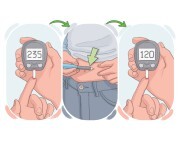
insulin
insulin
[Substantiv]

a hormone that is responsible for controlling the level of glucose in the blood, the lack of which can cause diabetes

insulin

insulin

Ex: The doctor checked her insulin levels to see how well her body was responding. 
Stäng
Logga in
to secrete

(of a cell, gland, or organ) to produce and release a liquid substance in the body

utsöndra, producera

utsöndra, producera

Ex: Endocrine glands secrete hormones that play crucial roles in various bodily functions. 

Endokrina körtlar utsöndrar hormoner som spelar avgörande roller i olika kroppsfunktioner.
Stäng
Logga in
RNA
RNA
[Substantiv]

(biochemistry) a chemical substance that carries the information from DNA to control the cellular protein biosynthesis

RNA, ribonukleinsyra

RNA, ribonukleinsyra

Ex: Ribosomal RNA helps assemble amino acids into proteins. 

Ribosomalt RNA hjälper till att sammanställa aminosyror till proteiner.

Stäng
Logga in
receptor
receptor
[Substantiv]

a sense organ or nerve ending that can respond to external stimuli and is able to transmit data to the central nervous system

receptor, mottagarorgan

receptor, mottagarorgan

Ex: Taste receptors on the tongue can distinguish sweet, salty, sour, bitter, and umami. 
Stäng
Logga in
genome
genome
[Substantiv]

the complete set of genetic material of any living thing

genom

genom

Ex: The genome of the fruit fly, Drosophila melanogaster, has been extensively studied as a model for understanding genetic principles. 

Genomet av bananflugan, Drosophila melanogaster, har studerats i stor utsträckning som en modell för att förstå genetiska principer.

Stäng
Logga in
dominant
dominant
[adjektiv]

(of genes) causing a person to inherit a particular physical feature, even if it is only present in one parent's genome

dominant, övervägande

dominant, övervägande

Ex: A dominant gene for straight hair may mask any recessive genes for wavy hair. 

En dominant gen för rakt hår kan maskera alla recessiva gener för vågigt hår.

Stäng
Logga in
genetic code
genetic code
[Substantiv]

the ordering of nucleotides in DNA molecules that carries the genetic information in living cells

genetisk kod, genetisk kodning

genetisk kod, genetisk kodning

Ex: Scientists decoded the genetic code of the bacteria in just a few days. 
Stäng
Logga in
stimulus
stimulus
[Substantiv]

something that triggers a reaction in various areas like psychology or physiology

stimulus, stimulans

stimulus, stimulans

Ex: Teachers often use interactive and engaging stimuli, like educational games or hands-on activities, to stimulate interest and enhance the learning experience in the classroom. 

Lärare använder ofta interaktiva och engagerande stimuli, som pedagogiska spel eller praktiska aktiviteter, för att stimulera intresset och förbättra inlärningsupplevelsen i klassrummet.

Stäng
Logga in
estrogen
estrogen
[Substantiv]

a hormone primarily responsible for female reproductive development and regulation

östrogen, kvinnligt hormon

östrogen, kvinnligt hormon

Ex: The ovaries release estrogen in a monthly cycle to prepare for pregnancy. 
Stäng
Logga in
hybrid
hybrid
[Substantiv]

an animal or plant with parents that belong to different breeds or varieties

hybrid, korsning

hybrid, korsning

Ex: The hybrid, a mix of a wolf and a domestic dog, had the wild instincts of its wolf parent and the friendly demeanor of a household pet. 

Hybriden, en blandning av varg och tamhund, hade de vilda instinkterna från sin vargförälder och det vänliga uppträdandet hos ett husdjur.

Stäng
Logga in
clone
clone
[Substantiv]

a cell or a group of cells created through a natural or artificial process from a source that they are genetically identical to

klon, kloning

klon, kloning

Ex: The lab technician confirmed that the clone had identical genetic material to the donor cell, ensuring the success of the cloning process. 

Labteknikern bekräftade att klonen hade identiskt genetiskt material som donorcellen, vilket säkerställde framgången för kloningsprocessen.

Stäng
Logga in
LanGeek
Ladda ner LanGeek app