
Masulong na Bokabularyo para sa TOEFL - Biyolohiya
Dito ay matututunan mo ang ilang mga salitang Ingles tungkol sa biyolohiya, tulad ng "enzyme", "microbe", "fetus", atbp. na kailangan para sa pagsusulit na TOEFL.
Repasuhin
Flashcards
Pagbaybay
Pagsusulit

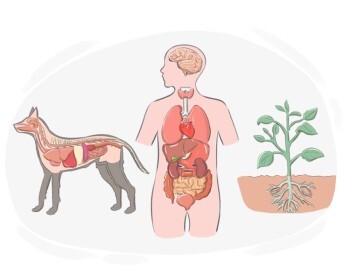
the branch of science that is concerned with the physical structure of humans, animals, or plants

anatomiya
Ang aklat-aralin sa anatomiya ay may detalyadong mga diagram ng muscular at skeletal systems.
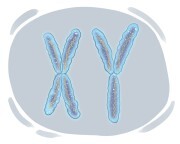
(genetics) a thread-like structure of DNA that carries genes inside the cell nucleus
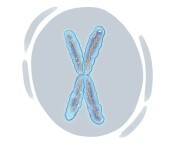
(genetics) the sex chromosome found twice in females and once in males
X chromosome
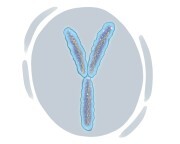
(genetics) the sex chromosome found only in males, passed from father to son
Y chromosome, Y sex chromosome

a biological molecule, usually a protein, that speeds up a specific chemical reaction without being consumed in the process
enzyme, ensima

any foreign substance in the body that can trigger a response from the immune system
antigen, sustansyang antigenik
Ang bakuna ay nagpapakilala ng isang hindi nakakapinsalang antigen upang pasiglahin ang kaligtasan sa sakit.
a microscopic organism, especially one that can cause disease
mikrobyo
to retain something such as eggs or bacteria in a favorable condition to help them develop
painitin, alagaan
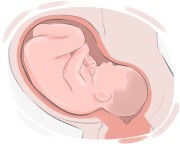
an offspring of a human or animal that is not born yet, particularly a human aged more than eight weeks after conception
pangsanggol, embryo
Ipinakita ng ultrasound na ang fetus ay normal na lumalaki.
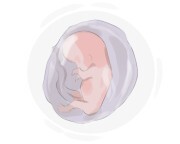
an unhatched or unborn offspring in the process of development, especially a human offspring roughly from the second to the eighth week after fertilization
embryo, sanggol
Sa unang trimester, ang embryo ng tao ay sumasailalim sa mabilis na paghahati ng selula at pag-iiba upang mabuo ang mahahalagang organo.
(of a female animal or human) to produce an ovum from the ovary
mag-ovulate
Upang maunawaan ang kanyang siklo, sinubaybayan niya kung kailan siya nag-oovulate.
to experience genetic changes
magbago ang lahi, dumanas ng mga pagbabago sa genetiko
Sa paglipas ng panahon, ang ilang mga organismo ay maaaring magbago upang umangkop sa mga pressure ng kapaligiran.
(biology) an organism that has traits changed by a mutation in its DNA
mutant, mutado
a colorless liquid consisting of white blood cells that helps to prevent infections from spreading
lymph, likidong lymph
Ang pamamaga ay maaaring mangyari kapag ang lymph ay hindi maayos na naalis.
(biology) a basic cell that can divide and turn into many different specialized cell types
stem cell
a thin layer of living tissue that covers, lines, connects, or separates parts of an organism
membrana, lamad
(biochemistry) an oily or fatty molecule that does not dissolve in water and is a key building block of cell membranes
lipid, taba
(biochemistry) a small molecule that cells link together to build proteins
amino acid
a cell that is responsible for transmitting nerve impulses between the brain and the rest of the body
neuron, selula ng nerbiyos
Ang mga neuron ay nagpapadala ng mga signal sa bilis na hanggang 120 metro bawat segundo.
a chemical substance that transmits messages from a neuron to another one or to a muscle
neurotransmitter
Ang neurotransmitter na dopamine ay kasangkot sa regulasyon ng mood.
an organelle that is abundantly present in most cells and is responsible for energy production
mitokondriya, organelong mitokondriyal
Ang mitochondrion ay isang membrane-bound na organelle na matatagpuan sa karamihan ng mga eukaryotic cells.
able to survive and function in environments that lack oxygen
anaerobic, anaerobiko
a steroid hormone that the body produces and is used in medicine to help cure skin diseases
cortisol, isang steroid hormone na ginagawa ng katawan at ginagamit sa medisina para tulungan na gamutin ang mga sakit sa balat
Ang mataas na antas ng cortisol ay maaaring magpalala ng stress at anxiety.
(biochemistry) the main male sex hormone that controls male traits and reproduction
testosterone
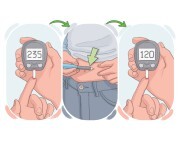
(biochemistry) a hormone from the pancreas that helps cells take in sugar from the blood
insulin
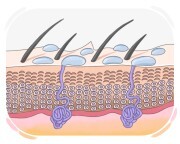
(of a cell, gland, or organ) to produce and release a liquid substance in the body
maglabas, gumawa
Ang mga glandulang panglaway ay naglalabas ng mga enzyme na tumutulong sa pagtunaw ng pagkain.
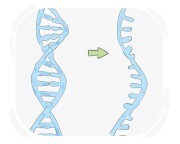
(biochemistry) a chemical substance that carries the information from DNA to control the cellular protein biosynthesis
RNA, ribonucleic acid
Ang RNA ay nagsasalin ng genetic na impormasyon mula sa DNA upang gabayan ang produksyon ng protina.
(biology) a nerve ending or cell that detects changes in the environment and sends signals to the nervous system
receptor
the complete set of genetic material of any living thing
henoma
Ang genome ng tao ay binubuo ng humigit-kumulang 3 bilyong base pairs ng DNA, na nag-e-encode ng lahat ng impormasyong kailangan para sa pag-unlad at paggana ng tao.
(of genes) causing a person to inherit a particular physical feature, even if it is only present in one parent's genome
nangingibabaw, dominante
(genetics) the set of rules by which the order of DNA building blocks is translated into proteins
kod henetiko
something that causes or prompts a physical, psychological, or behavioral response
stimulus, pampasigla
(biochemistry) the main female sex hormone that controls reproduction and female traits
estrogen
an animal or plant with parents that belong to different breeds or varieties
halo, hybrid
Ipinagmalaki ng magsasaka ang kanyang bagong hybrid, isang krus sa pagitan ng isang Brahman at isang Angus, na pinagsama ang pinakamahusay na katangian ng parehong lahi ng baka.
a cell or a group of cells created through a natural or artificial process from a source that they are genetically identical to
klon, pagkaklon
Sinuri ng mga siyentipiko ang pag-uugali ng clone ng bakterya upang maunawaan kung paano ito tutugon sa iba't ibang antibiotics.
