pattern

Listă de Cuvinte Nivel A2 - Sănătate și Boală

Aici vei învăța câteva cuvinte în engleză despre sănătate și boală, cum ar fi "vindecare", "boală" și "durere de urechi", pregătite pentru cursanții de nivel A2.

Revizuire

Fișe de studiu

Ortografie

Chestionar

Începe să înveți
CEFR A2 Vocabulary
health
health
[substantiv]

the state of being free from illness or injury

sănătate
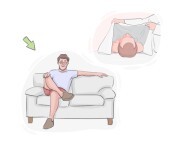
sănătate

Ex: Eating fruits and vegetables is good for your health. 

Consumul de fructe și legume este bun pentru sănătatea ta.

Închide
Conectare
life
life
[substantiv]

the state of existing as a person who is alive

viață, existență
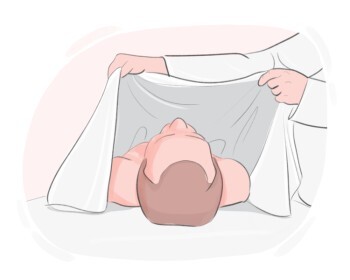
viață, existență

Ex: He appreciates the simple things in life. 

El apreciaţie lucrurile simple din viață.

Închide
Conectare
death
death
[substantiv]

the fact or act of dying

moarte, deces
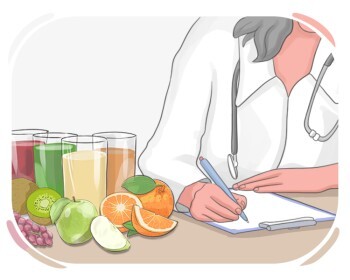
moarte, deces

Ex: Her grandfather's death had a big impact on her. 

Moartea bunicului ei a avut un impact mare asupra ei.

Închide
Conectare
diet
diet
[substantiv]

a set of food that is eaten to keep healthy, thin, etc.

dietă, alimentație
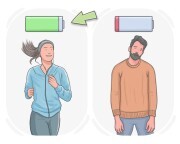
dietă, alimentație

Ex: A healthy diet and regular exercise can reduce the risk of many diseases. 

O dietă sănătoasă și exercițiile fizice regulate pot reduce riscul multor boli.

Închide
Conectare
energy
energy
[substantiv]

the physical and mental strength required for activity, work, etc.

energie, vigoare

energie, vigoare

Ex: After studying all night, he had no energy left for the exam. 

După ce a învățat toată noaptea, nu mai avea energie pentru examen.

Închide
Conectare
habit
habit
[substantiv]

something that you regularly do almost without thinking about it, particularly one that is hard to give up or stop doing

obicei, datina
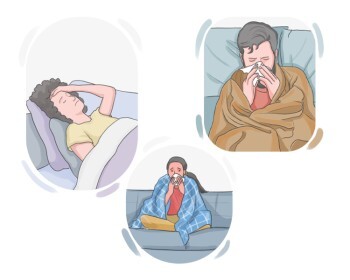
obicei, datina

Ex: Drinking water first thing in the morning is a healthy habit. 

A bea apă dimineața este un obicei sănătos.

Închide
Conectare
illness
illness
[substantiv]

the state of being physically or mentally sick

boală, afecțiune
boală, afecțiune

Ex: His illness kept him in bed for weeks. 

Boala lui l-a ținut în pat săptămâni întregi.

Închide
Conectare
disease
disease
[substantiv]

an illness in a human, animal, or plant that affects health

boală, afecțiune
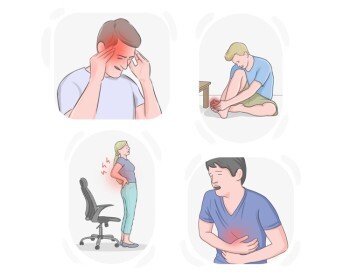
boală, afecțiune

Ex: Many are working tirelessly to eradicate this deadly disease. 

Mulți lucrează neobosit pentru a eradica această boală mortală.

Închide
Conectare
ache
ache
[substantiv]

a continuous pain in a part of the body, often not severe

durere,  chin

durere, chin

Ex: After the long hike, I had an ache in my legs. 

După plimbarea lungă, aveam o durere în picioare.
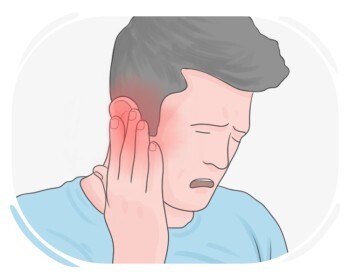
Închide
Conectare
earache
earache
[substantiv]

a pain inside the ear

durere de ureche, otalgie

durere de ureche, otalgie

Ex: Don't ignore a severe earache, it might need medical attention. 

Nu ignora o durere de urechi severă, ar putea avea nevoie de atenție medicală.
Închide
Conectare
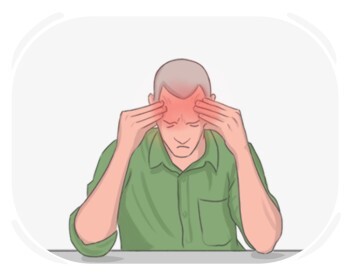
headache
headache
[substantiv]

a pain in the head, usually persistent

durere de cap

durere de cap

Ex: Avoiding stress can help you prevent headaches. 

Evitarea stresului vă poate ajuta să preveniți durerile de cap.
Închide
Conectare
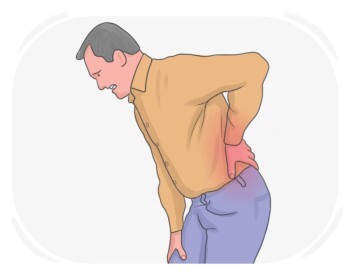
backache
backache
[substantiv]

a pain in someone's back

durere de spate, lombalgie

durere de spate, lombalgie

Ex: Backache is a common complaint among office workers. 

Durerea de spate este o plângere frecventă în rândul angajaților de birou.
Închide
Conectare
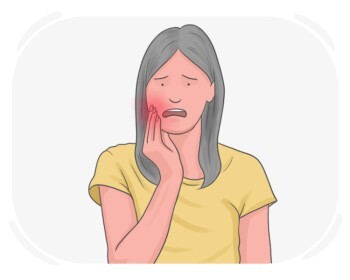
toothache
toothache
[substantiv]

pain felt in a tooth or several teeth

durere de dinte, dinţi sensibili

durere de dinte, dinţi sensibili

Ex: After eating too many sweets, she got a severe toothache. 

După ce a mâncat prea multe dulciuri, a avut o durere de dinți severă.
Închide
Conectare
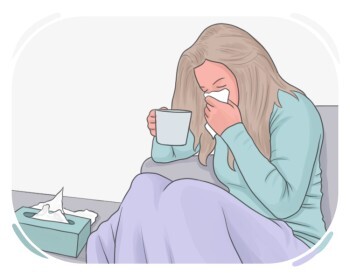
flu
flu
[substantiv]

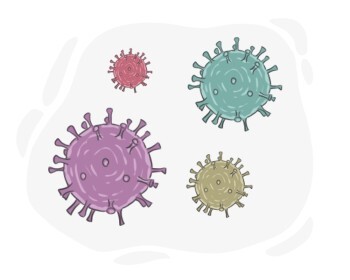
an infectious disease similar to a bad cold, causing fever and severe pain

gripă

gripă

Ex: After catching the flu, he realized the importance of getting vaccinated. 

După ce a prins gripa, și-a dat seama de importanța vaccinării.
Închide
Conectare
virus
virus
[substantiv]

a microscopic agent that causes disease in people, animals, and plants

virus

virus

Ex: A virus entered his body and made him sick. 

Un virus a intrat în corpul său și l-a făcut bolnav.

Închide
Conectare
effect
effect
[substantiv]

a change in a person or thing caused by another person or thing

efect, impact
efect, impact

Ex: Eating too much sugar can have a bad effect on your teeth. 

Mâncatul prea mult zahăr poate avea un efect negativ asupra dinților tăi.

Închide
Conectare
problem
problem
[substantiv]

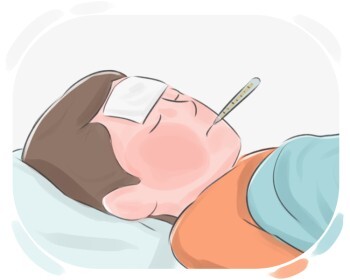
something that causes difficulties and is hard to overcome

problemă, dificultate
problemă, dificultate

Ex: Jane is trying to resolve a conflict with her friend to mend their relationship problem. 

Jane încearcă să rezolve un conflict cu prietena ei pentru a repara problema lor de relație.

Închide
Conectare
fever
fever
[substantiv]

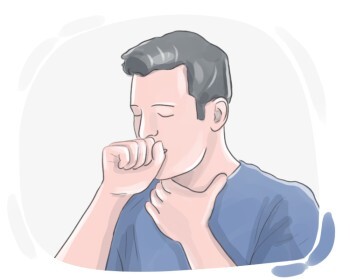
a condition when the body temperature rises, usually when we are sick

febră, temperatură
febră, temperatură

Ex: A fever is one of the common symptoms of the flu. 

Febra este unul dintre simptomele comune ale gripei.

Închide
Conectare
cough
cough
[substantiv]

the action of air coming out of our mouth with force

tuse, criză de tuse

tuse, criză de tuse

Ex: After two weeks, the cough finally disappeared. 

După două săptămâni, tusea a dispărut în sfârșit.

Închide
Conectare
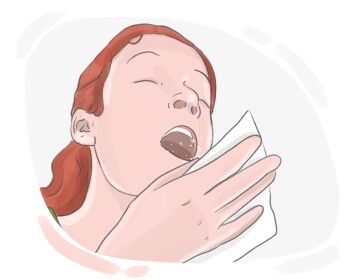
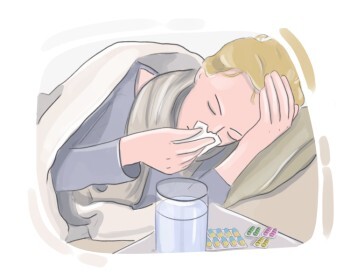
sneeze
sneeze
[substantiv]

the act of blowing air out of your nose and mouth in a forceful way

strănut, strănuta

strănut, strănuta

Ex: A sneeze can spread germs, so always cover your nose. 

O strănut poate răspândi germeni, așa că acoperiți întotdeauna nasul.
Închide
Conectare
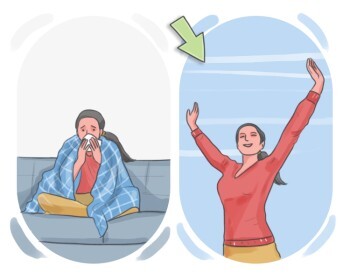
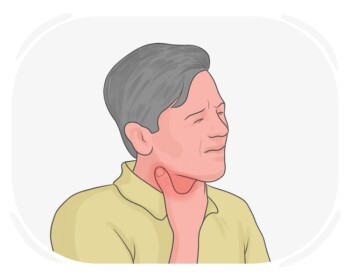
cold
cold
[substantiv]

a mild disease that we usually get when viruses affect our body and make us cough, sneeze, or have fever

răceală, gripă
răceală, gripă

Ex: During winter, many people catch a cold. 

În timpul iernii, mulți oameni iau răceală.

Închide
Conectare
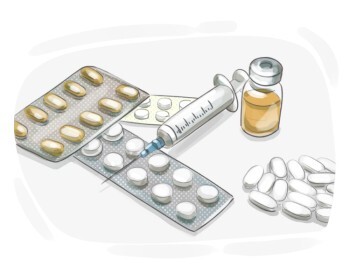
sore throat
sore throat
[substantiv]

a condition when you feel pain in the throat, usually caused by bacteria or viruses

durere în gât

durere în gât

Ex: A sore throat is often the first sign of a cold. 

Durere în gât este adesea primul semn al unei răceli.
Închide
Conectare
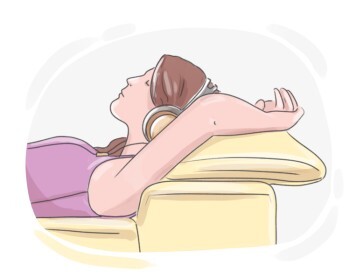
medication
medication
[substantiv]

something that we take to prevent or treat a disease, or to feel less pain

medicament, tratament

medicament, tratament

Ex: He always keeps his asthma medication in his backpack. 

El păstrează întotdeauna medicația pentru astm în rucsac.
Închide
Conectare
rest
rest
[substantiv]

a period of relaxing, sleeping or doing nothing, especially after a period of activity

odihnă,  pauză
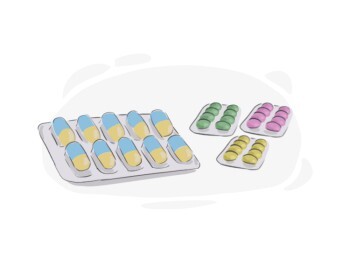
odihnă, pauză

Ex: I couldn't continue reading, so I gave my eyes a rest. 

Nu am putut continua să citesc, așa că am dat ochilor mei odihnă.

Închide
Conectare
pill
pill
[substantiv]

a small round medication we take whole when we are sick

pastilă, pilulă
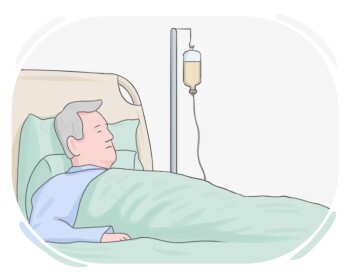
pastilă, pilulă

Ex: Each pill in this bottle contains 500 milligrams of the medicine. 

Fiecare pastilă din această sticlă conține 500 de miligrame de medicament.

Închide
Conectare
patient
patient
[substantiv]

someone who is receiving medical treatment, particularly in a hospital or from a doctor

pacient
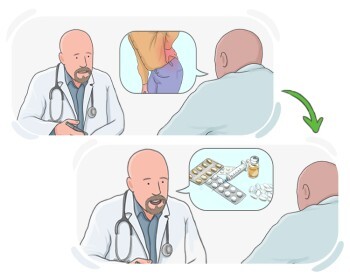
pacient

Ex: He has been a patient in this hospital since his accident. 

El a fost un pacient în acest spital din momentul accidentului său.

Închide
Conectare
cure
cure
[substantiv]

a treatment or medication for a certain disease or injury

remediu, tratament

remediu, tratament

Ex: After years of research, they finally discovered a cure. 

După ani de cercetare, au descoperit în sfârșit un leac.

Închide
Conectare
to live
to live
[verb]

to continue to exist or be alive

a trăi, a supraviețui

a trăi, a supraviețui

Ex: He lived long enough to celebrate his 100th birthday. 

El a trăit suficient de mult pentru a-și sărbători a 100-a aniversare.

Închide
Conectare
to die
to die
[verb]

to no longer be alive

a muri,  a deceda
a muri, a deceda

Ex: The old oak tree in the backyard finally died after standing for over a century. 

Vechiul stejar din curtea din spate a murit în sfârșit după ce a stat în picioare mai mult de un secol.

Închide
Conectare
need
need
[substantiv]

a condition or situation in which something is necessary

nevoie, necessitate

nevoie, necessitate

Ex: Her need for attention often caused problems. 

Nevoia ei de atenție cauza adesea probleme.

Închide
Conectare
to [go] to bed
to go to bed
[frază]

to lie down in your bed to sleep, whether at night or for a nap during the day
Ex: After I go to bed, I usually think about what happened during the day. 
Închide
Conectare
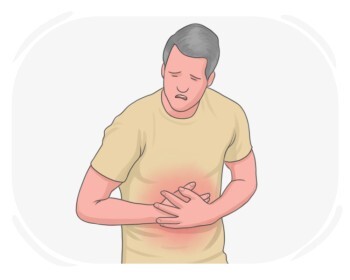
stomachache
stomachache
[substantiv]

a pain in or near someone's stomach

durere de stomac, durere în stomac

durere de stomac, durere în stomac

Ex: Drinking too much coffee gives me a stomachache. 

Prea multă cafea îmi provoacă dureri de stomac.

Închide
Conectare
LanGeek
Descarcă aplicația LanGeek