
Естественные Науки SAT - Физический Мир
Здесь вы узнаете некоторые английские слова, связанные с физическим миром, такие как "распылять", "разбирать", "грязный" и т.д., которые вам понадобятся для успешной сдачи SAT.
Обзор
Флэш-карточки
формы
Правописание
Тест

to remove a thin layer or small amount of something from a surface using a sharp or rough edge

скрести, соскабливать
Во время готовки он соскребал пригоревшие остатки со дна кастрюли.
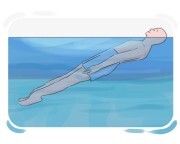
to plunge or immerse entirely beneath the surface of a liquid, typically water
погружать
Шторм вызвал эрозию речных берегов, из-за чего деревья вдоль берега погрузились в воду.
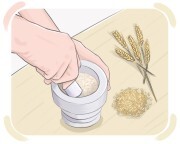
to crush something into small particles by rubbing or pressing it against a hard surface
измельчать
Жернов использовался для помола пшеницы в муку на старой мельнице.
to crush or grind something into a fine powder or particles, often through mechanical means or forceful impact
измельчать, дробить
Машина смогла измельчить камни в гравий для строительных целей.
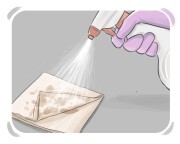
to make something slightly wet or moist
увлажнять, слегка мочить
Она смочила тряпку перед тем, как вытереть поверхность.
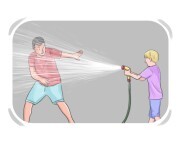
to completely cover something with liquid by pouring it onto it
промочить, залить
Внезапный ливень промочил нас, когда мы спешили домой.
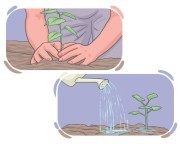
to give someone or something food and other things which are needed in order to grow, live, and maintain health
питать
Фермеры усердно работают, чтобы питать свои культуры правильным балансом воды и питательных веществ.
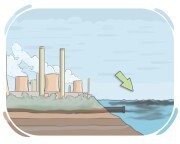
to infect or dirty something with a disease or harmful microorganism
заражать, загрязнять
Вспышка загрязняет водоснабжение вредными бактериями.
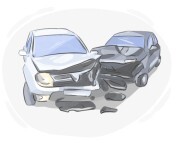
to come into sudden and forceful contact with another object or person
сталкиваться
Две машины столкнулись на перекрестке, что привело к небольшой аварии.
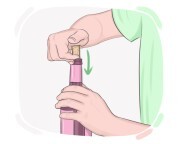
to make it so that nothing can move through something
засорять
После сильного дождя листья и мусор имели тенденцию засорять водостоки.
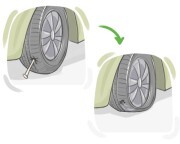
to move through something, typically overcoming resistance
проникать, проходить
Сверло легко проникло в твердую поверхность, создав отверстие.
to lightly touch or brush against something, often causing a slight scratch or mark
задевать, царапать
Машина задела сторону здания, оставив длинную царапину на краске.
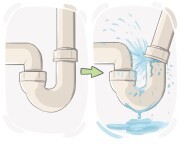
to suddenly and violently break open or apart, particularly as a result of internal pressure
лопаться
Плотина лопнула, вызвав наводнение вниз по течению.
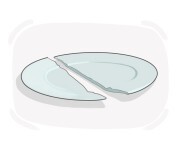
to break physically into pieces, often suddenly or violently
ломать
Зеркало упало на землю и раскололось на бесчисленные осколки.
(of a pipe or similar structure) to burst or break apart suddenly
разорваться
Старая водопроводная труба наконец лопнула, вызвав утечку воды в подвале.
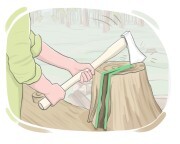
to cut something using a sharp tool, often with precision and accuracy
рассекать, разрезать
Шеф ловко рассек мясо острым ножом для точных порций.
to take apart or destroy a structure or object
разбирать, демонтировать
Старый завод был разобран, чтобы освободить место для нового коммерческого развития.
to release or detach something by rotating it in a counter-clockwise direction, thereby loosening its fastening or connection
откручивать, вывинчивать
Он открутил крышку банки, чтобы открыть её.
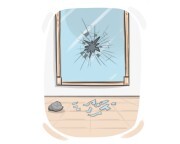
to break suddenly into several pieces
разбивать
Окно разбилось, когда в него попал тяжелый предмет.
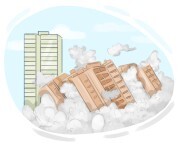
(of a construction) to fall down suddenly, particularly due to being damaged or weak
рушиться
Старое здание обрушилось после многих лет запущенности и структурного разрушения.
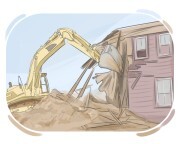
to completely destroy or to knock down a building or another structure
сносить
Старый завод был снесен, чтобы освободить место для новой застройки.
a black powdery substance produced by burning materials like wood or coal
сажа, копоть
Старый камин выпустил облако сажи, оставив темные пятна на окружающих стенах.
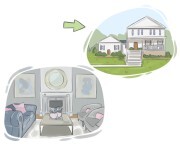
the outer surface or outermost layer of an object, building, etc.
внешняя сторона
Блестящий экстерьер кружки был украшен красочными узорами.
the act of fully submerging something into a liquid or substance, typically for the purpose of soaking
погружение, иммерсия
Он наслаждался погружением в теплую ванну после долгого рабочего дня.
the release of gas, radiation, or other substances into the air or environment
испускание
Автомобиль производит меньше выбросов, чем старые модели.
words, letters, or symbols that are engraved, carved, or written on a surface, often for commemorative, informational, or decorative purposes
надпись, гравировка
Надпись на древней каменной плите дала подсказки о языке и обычаях цивилизации.
a tiny, discrete unit of matter or substance that can range from subatomic particles like electrons and protons to larger particles like dust or sand grains
частица, зерно
Ученые изучают поведение частиц в физике частиц, чтобы понять фундаментальные силы природы.
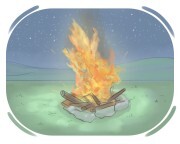
a strong, bright flame or fire
пламя, яркое пламя
Пожарные изо всех сил пытались взять под контроль пожар.
a narrow, flat piece of wood, metal, or plastic, typically used as a component in structures like fences, blinds, or furniture
планка, рейка
Забор был построен с использованием прочных деревянных реек для обеспечения конфиденциальности.
a space or area that is closed off or surrounded by walls, fences, or barriers, often used for containment, protection, or confinement
вольер, ограждение
Вольер с тиграми в зоопарке обеспечивал безопасную среду обитания для животных.
a small indented area or alcove set back into a wall or other surface
углубление, ниша
Углубление в углу сада было идеальным местом для небольшого фонтана.
a recessed part of a wall that is built further back from the rest of it
ниша
Уютная ниша ресторана была спрятана в углу, предлагая посетителям уединенный обеденный опыт.
a depression or hollow in a surface, typically caused by impact or pressure
вмятина, выбоина
На двери автомобиля была заметная вмятина от удара тележкой для покупок.
the outer edge or border of a circular object, often serving as a boundary or support
край, обод
Она восхищалась замысловатым дизайном на краю античной фарфоровой чаши.
a hollow part or cavity into which something fits, typically used to connect or hold objects in place
гнездо, разъём
Механик использовал гнездовой ключ для затягивания болтов на автомобильном двигателе.
a long, elevated strip or crest of land, rock, or geological formation that extends prominently above its surroundings
гребень, хребет
Аппалачские горы отличаются несколькими живописными хребтами, которые предлагают потрясающие виды на долины внизу.
a long, narrow cut or indentation, often linear in shape, that is typically found on surfaces such as columns, moldings, or panels in architectural design
паз, желобок
the area adjacent to the edge of a street or road where vehicles can park or where services, such as deliveries or pickups, often take place
обочина, край тротуара
Он ждал у обочины, пока приедет такси.
a thick and flat piece of hard material, such as a stone, metal, wood, etc. that is usually in the shape of a square or rectangle
плита, пластина
the process of wearing down or smoothing a surface through friction, typically caused by rubbing, scraping, or erosion
абразия, истирание
Быстрые течения реки вызвали абразию на скалах, формируя их в гладкие гальки.
the resistance or opposing force encountered when one object moves in contact with another
трение
Трение между колёсами и дорогой замедляет автомобиль.
a deep, narrow, steep-sided depression on the ocean floor
желоб, океанический ров
Жёлоб Марианский является самой глубокой известной частью океана.
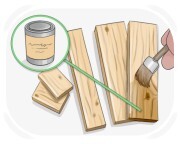
a clear or tinted coating made from resins, oils, and solvents that is applied to wood, metal, or other surfaces to provide a protective and decorative finish
лак, покрытие
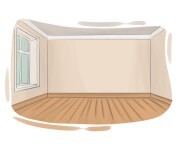
an empty or vacant space within a solid object or within a larger area, typically devoid of substance
пустота, полость
Исследователи пещер обнаружили огромную пустоту глубоко внутри горы.
a space that is utterly empty of all matter
вакуум
В физике вакуум определяется как пространство, лишённое каких-либо частиц материи, включая атомы и молекулы.
related to something that is moving or transported through the air
переносимый по воздуху, воздушный
Пыльца с цветов стала переносимой по воздуху и вызвала аллергию у многих людей.
