
SAT Natural Sciences - Physical World
Here you will learn some English words related to the physical world, such as "pulverize", "dismantle", "dingy", etc. that you will need to ace your SATs.
Review
Flashcards
Forms
Spelling
Quiz

to remove a thin layer or small amount of something from a surface using a sharp or rough edge
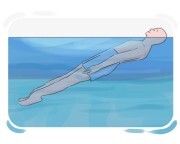
to plunge or immerse entirely beneath the surface of a liquid, typically water
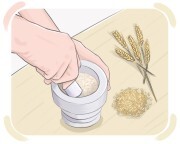
to crush something into small particles by rubbing or pressing it against a hard surface
to crush or grind something into a fine powder or particles, often through mechanical means or forceful impact
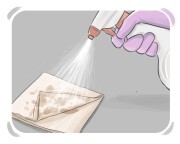
to make something slightly wet or moist
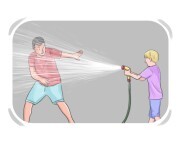
to completely cover something with liquid by pouring it onto it
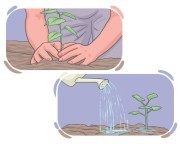
to give someone or something food and other things which are needed in order to grow, live, and maintain health
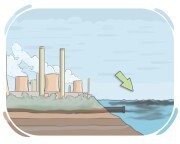
to infect or dirty something with a disease or harmful microorganism
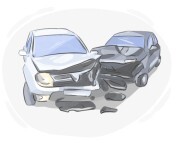
to come into sudden and forceful contact with another object or person
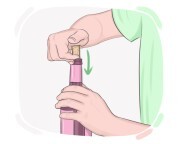
to make it so that nothing can move through something
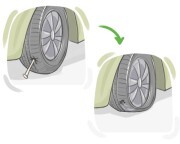
to move through something, typically overcoming resistance
to lightly touch or brush against something, often causing a slight scratch or mark
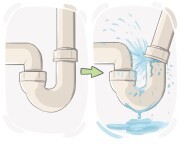
to suddenly and violently break open or apart, particularly as a result of internal pressure
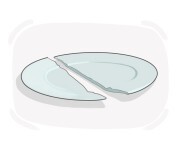
to break physically into pieces, often suddenly or violently
(of a pipe or similar structure) to burst or break apart suddenly
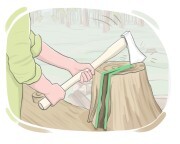
to cut something using a sharp tool, often with precision and accuracy
to take apart or destroy a structure or object
to release or detach something by rotating it in a counter-clockwise direction, thereby loosening its fastening or connection
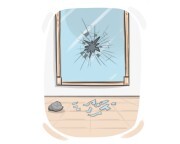
to break suddenly into several pieces
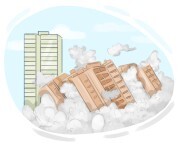
(of a construction) to fall down suddenly, particularly due to being damaged or weak
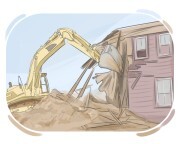
to completely destroy or to knock down a building or another structure
a black powdery substance produced by burning materials like wood or coal
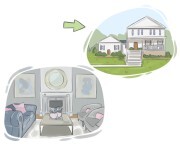
the outer surface or outermost layer of an object, building, etc.
the act of fully submerging something into a liquid or substance, typically for the purpose of soaking
the release of gas, radiation, or other substances into the air or environment
words, letters, or symbols that are engraved, carved, or written on a surface, often for commemorative, informational, or decorative purposes
a tiny, discrete unit of matter or substance that can range from subatomic particles like electrons and protons to larger particles like dust or sand grains
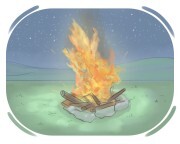
a strong, bright flame or fire
a narrow, flat piece of wood, metal, or plastic, typically used as a component in structures like fences, blinds, or furniture
a space or area that is closed off or surrounded by walls, fences, or barriers, often used for containment, protection, or confinement
a small indented area or alcove set back into a wall or other surface
a recessed part of a wall that is built further back from the rest of it
a depression or hollow in a surface, typically caused by impact or pressure
the outer edge or border of a circular object, often serving as a boundary or support
a hollow part or cavity into which something fits, typically used to connect or hold objects in place
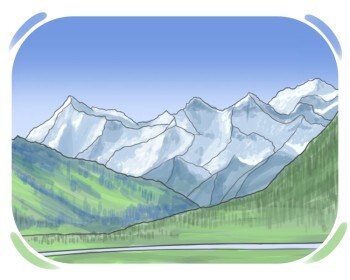
an elevated area of land that forms a crest along a hill or mountain range
a long, narrow cut or indentation, often linear in shape, that is typically found on surfaces such as columns, moldings, or panels in architectural design
the area adjacent to the edge of a street or road where vehicles can park or where services, such as deliveries or pickups, often take place
a thick and flat piece of hard material, such as a stone, metal, wood, etc. that is usually in the shape of a square or rectangle
the process of wearing down or smoothing a surface through friction, typically caused by rubbing, scraping, or erosion
the resistance or opposing force encountered when one object moves in contact with another
a deep, narrow, steep-sided depression on the ocean floor
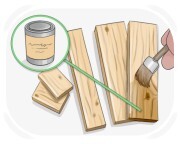
a clear or tinted coating made from resins, oils, and solvents that is applied to wood, metal, or other surfaces to provide a protective and decorative finish
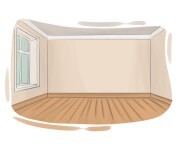
an empty or vacant space within a solid object or within a larger area, typically devoid of substance
a space that is utterly empty of all matter
