
Scienze Naturali SAT - Mondo Fisico
Qui imparerai alcune parole inglesi relative al mondo fisico, come "polverizzare", "smantellare", "scuro", ecc., che ti serviranno per superare i tuoi SAT.
Revisione
Flashcard
forme
Ortografia
Quiz

to remove a thin layer or small amount of something from a surface using a sharp or rough edge

raschiare, grattare
Lei raschia il fango dalle scarpe prima di entrare in casa.
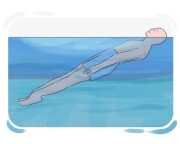
to plunge or immerse entirely beneath the surface of a liquid, typically water
immergere, sommergere
Il subacqueo ha eseguito un salto mortale prima di immergersi nella piscina blu chiaro.
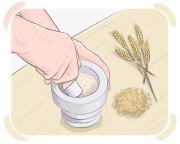
to crush something into small particles by rubbing or pressing it against a hard surface
macinare
Doveva macinare i chicchi di caffè prima di preparare il caffè del mattino.
to crush or grind something into a fine powder or particles, often through mechanical means or forceful impact
polverizzare, tritare
Le lame del frullatore possono polverizzare frutta e verdura in succhi lisci.
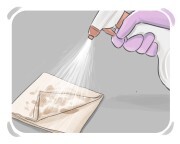
to make something slightly wet or moist
inumidire, bagnare leggermente
Lei inumidì la spugna prima di pulire le fuoriuscite.
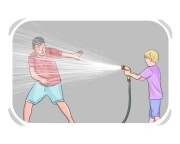
to completely cover something with liquid by pouring it onto it
inzuppare, bagnare completamente
Le onde pesanti inzupparono i bagnanti con l'acqua di mare.
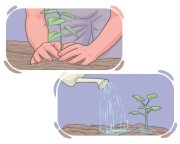
to give someone or something food and other things which are needed in order to grow, live, and maintain health
nutrire
È importante nutrire le relazioni con la famiglia e gli amici per il benessere emotivo.
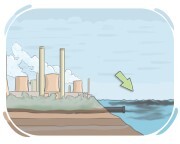
to infect or dirty something with a disease or harmful microorganism
contaminare, infettare
Gli insetti possono contaminare i cereali immagazzinati con muffe e tossine.
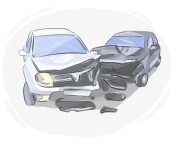
to come into sudden and forceful contact with another object or person
collidere
I forti venti hanno fatto inclinare due alberi che alla fine sono entrati in collisione durante la tempesta.
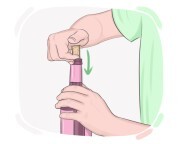
to make it so that nothing can move through something
intasare
Uno sciame di insetti ha ostruito il filtro dell'aria del sistema HVAC, influenzando la qualità dell'aria nell'edificio.
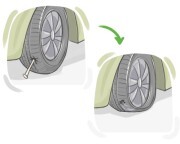
to move through something, typically overcoming resistance
penetrare, perforare
to lightly touch or brush against something, often causing a slight scratch or mark
sfiorare, graffiare leggermente
Gli artigli del gatto hanno sfiorato il mio braccio mentre saltava giù dalla sedia.
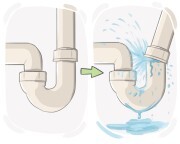
to suddenly and violently break open or apart, particularly as a result of internal pressure
scoppiare
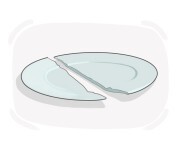
to break physically into pieces, often suddenly or violently
fratturarsi, rompersi
La roccia si è frantumata lungo le linee di faglia naturali.
(of a pipe or similar structure) to burst or break apart suddenly
rottura
Le squadre di emergenza sono state inviate sul posto dove una conduttura del gas stava per rompersi.
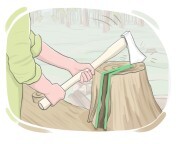
to cut something using a sharp tool, often with precision and accuracy
tagliare, fendere
Lo scalpellino divise il grande blocco di pietra in pezzi più piccoli e gestibili.
to take apart or destroy a structure or object
smontare, dismantellare
I proprietari di casa hanno assunto una squadra di demolizione per smantellare l'edificio condannato sulla loro proprietà.
to release or detach something by rotating it in a counter-clockwise direction, thereby loosening its fastening or connection
svitare, allentare
L'idraulico svitò i raccordi del tubo per riparare la perdita.
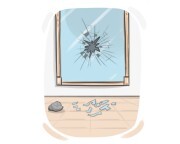
to break suddenly into several pieces
mandare in frantumi, andare in pezzi
Il vetro si frantuma in frammenti quando cade a terra.
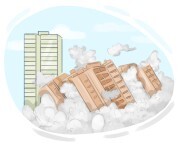
(of a construction) to fall down suddenly, particularly due to being damaged or weak
crollare, andare in rovina
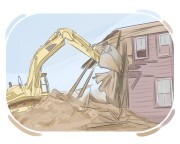
to completely destroy or to knock down a building or another structure
demolire
La squadra di costruzione demolirà i muri esistenti prima di ricostruire.
a black powdery substance produced by burning materials like wood or coal
fuliggine, nerofumo
Gli edifici storici possono subire una pulizia periodica per rimuovere la fuliggine accumulata sulle loro facciate.
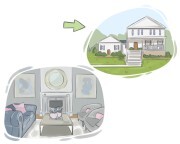
the outer surface or outermost layer of an object, building, etc.
esterno, superficie esterna
L'esterno in pietra dell'edificio gli conferiva un aspetto senza tempo ed elegante.
the act of fully submerging something into a liquid or substance, typically for the purpose of soaking
immersione, sommersione
L'immersione della parte metallica nel bagno acido ha aiutato a rimuovere la ruggine.
the release of gas, heat, light, radiation, or other substances from a source
emissione
words, letters, or symbols that are engraved, carved, or written on a surface, often for commemorative, informational, or decorative purposes
iscrizione, incisione
La statua commemorativa presentava un'iscrizione in onore dei soldati caduti in guerra.
an extremely small separate piece of a substance or material
particella, granello
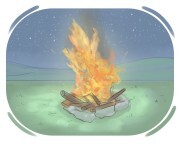
a strong, bright fire or mass of flames
incendio, fiammata
a narrow, flat piece of wood, metal, or plastic, typically used as a component in structures like fences, blinds, or furniture
lamella, listello
Il vecchio fienile aveva assicelle stagionate sulle pareti, dandogli un aspetto rustico.
an artificial area surrounded by a barrier for a particular purpose
recinto, recinzione
a small indented area or alcove set back into a wall or other surface
incavo, nicchia
Le librerie erano progettate per adattarsi perfettamente alla nicchia nella parete del soggiorno.
a recessed part of a wall that is built further back from the rest of it
alcova, nicchia
La biblioteca aveva un alcova accogliente con librerie incorporate, perfetta per rannicchiarsi con un buon libro.
a depression or hollow in a surface, typically caused by impact or pressure
ammaccatura, rientranza
L'idraulico ha riparato il lavandino, ma c'era ancora una piccola ammaccatura sul lato.
the outer edge or border of a circular object, often serving as a boundary or support
bordo, orlo
Con attenzione, fece scorrere il dito lungo il bordo dell'antico telescopio, sentendo il metallo liscio.
a hollow part or cavity into which something fits, typically used to connect or hold objects in place
presa, incavo
Ha inserito l'asta dell'ombrellone nella presa del tavolo da patio per fissarlo contro il vento.
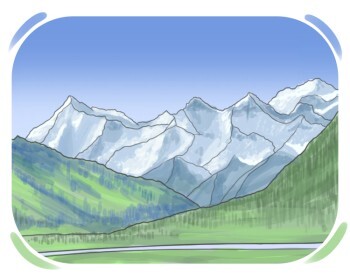
a long, narrow crest forming the upper part of a hill or mountain
a long, narrow cut or indentation, often linear in shape, that is typically found on surfaces such as columns, moldings, or panels in architectural design
scanalatura, solco
the area adjacent to the edge of a street or road where vehicles can park or where services, such as deliveries or pickups, often take place
bordo del marciapiede, lato della strada
I pedoni hanno attraversato la strada utilizzando il passaggio pedonale a bordo strada designato.
a thick and flat piece of hard material, such as a stone, metal, wood, etc. that is usually in the shape of a square or rectangle
lastra, pannello
the process of wearing down or smoothing a surface through friction, typically caused by rubbing, scraping, or erosion
abrasione, usura da attrito
Il movimento del ghiacciaio attraverso il paesaggio ha provocato un'ampia abrasione del substrato roccioso sottostante.
the resistance or opposing force encountered when one object moves in contact with another
attrito
L'attrito genera calore durante il movimento di scorrimento.
a deep, narrow, steep-sided depression on the ocean floor
fossa, trincea oceanica
I sedimenti si accumulano nelle fosse oceaniche profonde nel tempo.
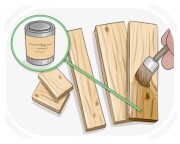
a clear or tinted coating made from resins, oils, and solvents that is applied to wood, metal, or other surfaces to provide a protective and decorative finish
vernice, lacca
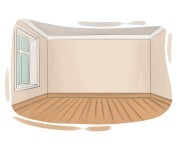
an empty or vacant space within a solid object or within a larger area, typically devoid of substance
vuoto, cavità
Gli ingegneri hanno rilevato un vuoto nella fondazione in cemento del ponte durante l'ispezione.
a space that is utterly empty of all matter
vuoto
Il vuoto dello spazio è caratterizzato da una pressione estremamente bassa e dall'assenza di atmosfera.
related to something that is moving or transported through the air
aereo, trasportato dall'aria
Gli scienziati hanno studiato gli inquinanti trasportati dall'aria nelle aree urbane per valutarne l'impatto sulla qualità dell'aria.
