
Přírodní Vědy SAT - Fyzický Svět
Zde se naučíte některá anglická slova související s fyzickým světem, jako jsou "rozpustit", "demontovat", "zašpiněný" atd., která budete potřebovat k úspěšnému složení vašich SAT.
Revize
Kartičky
tvary
Pravopis
Kvíz

to remove a thin layer or small amount of something from a surface using a sharp or rough edge

škrábat, seškrabat
Ona škrábe bláto z bot, než vstoupí do domu.
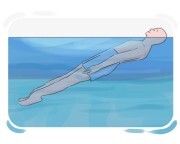
to plunge or immerse entirely beneath the surface of a liquid, typically water
ponořit, potopit
Potápěč provedl salto, než se ponořil do čistého modrého bazénu.
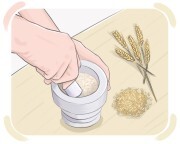
to crush something into small particles by rubbing or pressing it against a hard surface
mlít, drtit
Musela namlít kávová zrna před přípravou ranní kávy.
to crush or grind something into a fine powder or particles, often through mechanical means or forceful impact
rozmělnit, drtit
Čepele mixéru mohou rozmělnit ovoce a zeleninu na hladké šťávy.
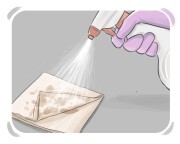
to make something slightly wet or moist
navlhčit, lehce smočit
Před čištěním rozlití navlhčila houbu.
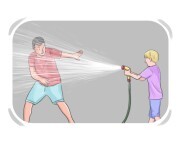
to completely cover something with liquid by pouring it onto it
promočit, namočit
Těžké vlny promáčely plážové návštěvníky mořskou vodou.
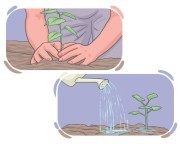
to give someone or something food and other things which are needed in order to grow, live, and maintain health
vyživovat, krmit
Je důležité živit vztahy s rodinou a přáteli pro emocionální pohodu.
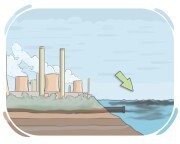
to infect or dirty something with a disease or harmful microorganism
kontaminovat, infikovat
Hmyz může kontaminovat uskladněná zrna plísněmi a toxiny.
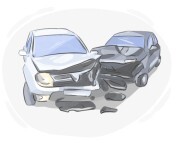
to come into sudden and forceful contact with another object or person
srazit se, narazit
Silné větry způsobily, že se dva stromy naklonily a nakonec srazily během bouře.
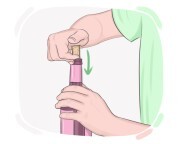
to make it so that nothing can move through something
ucpat, zablokovat
Roj hmyzu ucpal vzduchový filtr klimatizace, což ovlivnilo kvalitu vzduchu v budově.
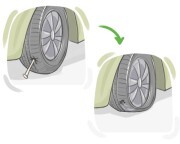
to move through something, typically overcoming resistance
proniknout, prostoupit
Kulka byla navržena k průniku pancířem pro zvýšenou účinnost.
to lightly touch or brush against something, often causing a slight scratch or mark
škrábnout, lehce se dotknout
Kočičí drápy škrábly moji paži, když skočila ze židle.
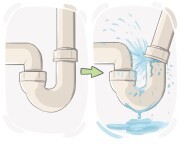
to suddenly and violently break open or apart, particularly as a result of internal pressure
prasknout, vybuchnout
Balónek praskl s hlasitým prásknutím a vyděsil všechny.
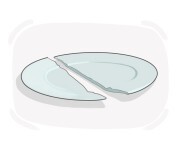
to break physically into pieces, often suddenly or violently
zlomit se, rozbít se
Skála se zlomila podél přirozených zlomových linií.
(of a pipe or similar structure) to burst or break apart suddenly
prasknout, roztrhnout se
Záchranné týmy byly vyslány na místo, kde měla plynová přípojka každou chvíli prasknout.
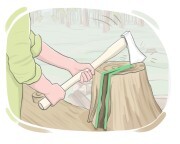
to cut something using a sharp tool, often with precision and accuracy
řezat, rozštípnout
Kamenický mistr rozštípl velký kámen na menší, lépe zpracovatelné kusy.
to take apart or destroy a structure or object
rozebrat, demontovat
Vlastníci domů najali demoliční tým, aby rozebral odsouzenou budovu na jejich nemovitosti.
to release or detach something by rotating it in a counter-clockwise direction, thereby loosening its fastening or connection
odšroubovat, povolit
Instalatér odšrouboval potrubní spoje, aby opravil únik.
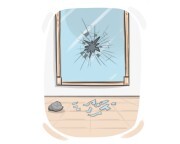
to break suddenly into several pieces
roztříštit, rozbit
Sklo se rozpadne na střepy, když spadne na zem.
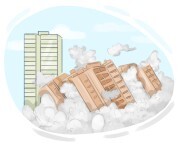
(of a construction) to fall down suddenly, particularly due to being damaged or weak
zřítit se, zbortit se
Stará věž se zhroutila pod tíhou sněhu.
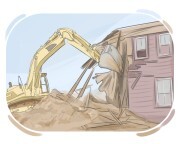
to completely destroy or to knock down a building or another structure
zbořit, zničit
Stavební tým zboří stávající zdi před přestavbou.
a black powdery substance produced by burning materials like wood or coal
saze, černý prach
Historické budovy mohou procházet pravidelným čištěním, aby se odstranila nahromaděná saze z jejich fasád.
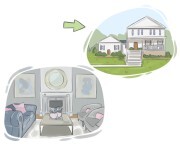
the outer surface or outermost layer of an object, building, etc.
vnější strana, vnější povrch
Kamenný exteriér budovy jí dodal nadčasový, elegantní vzhled.
the act of fully submerging something into a liquid or substance, typically for the purpose of soaking
ponoření, imerse
Ponoření kovové části do kyselé lázně pomohlo odstranit rez.
the release of gas, radiation, or other substances into the air or environment
emise, vypouštění
Satelitní data pomáhají sledovat emise skleníkových plynů po celém světě.
words, letters, or symbols that are engraved, carved, or written on a surface, often for commemorative, informational, or decorative purposes
nápis, rytina
Pamětní socha obsahovala nápis na počest padlých vojáků války.
a tiny, discrete unit of matter or substance that can range from subatomic particles like electrons and protons to larger particles like dust or sand grains
částice, zrno
Prachové částice se usadily na nábytku, což naznačuje potřebu pravidelného čištění.
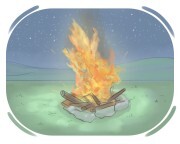
a strong, bright flame or fire
plamen, požár
Lesní požár zanechal stopu ožehnutých stromů ve svém plameni.
a narrow, flat piece of wood, metal, or plastic, typically used as a component in structures like fences, blinds, or furniture
lampa, lať
Stará stodola měla na zdech oprýskané laťky, což jí dodávalo venkovský vzhled.
a space or area that is closed off or surrounded by walls, fences, or barriers, often used for containment, protection, or confinement
výběh, ohrada
Archeologové objevili starověké artefakty v zapečetěném kamenném ohrazení pohřbeném pod zemí.
a small indented area or alcove set back into a wall or other surface
výklenek, nika
Děti schovaly své hračky do výklenku zdi, kde je nikdo nenajde.
a recessed part of a wall that is built further back from the rest of it
alkov, výklenek
Knihovna měla útulný výklenek s vestavěnými knihovnami, ideální pro schoulení se s dobrou knihou.
a depression or hollow in a surface, typically caused by impact or pressure
promáčknutí, důlek
Instalatér opravil dřez, ale na boku byla stále malá promáčklina.
the outer edge or border of a circular object, often serving as a boundary or support
okraj, obruč
Opatrně vedl prst po okraji starodávného dalekohledu a cítil hladký kov.
a hollow part or cavity into which something fits, typically used to connect or hold objects in place
patice, zásuvka
Vložila stojan deštníku do zásuvky stolu na terase, aby ji zajistila proti větru.
a long, elevated strip or crest of land, rock, or geological formation that extends prominently above its surroundings
hřeben, hřbet
Velké předělové pohoří v Austrálii zahrnuje mnoho hřebenů, které ovlivňují odvodňovací vzorce a klima země.
a long, narrow cut or indentation, often linear in shape, that is typically found on surfaces such as columns, moldings, or panels in architectural design
drážka, výřez
the area adjacent to the edge of a street or road where vehicles can park or where services, such as deliveries or pickups, often take place
okraj chodníku, krajnice
Chodci přešli ulici pomocí určeného přechodu pro chodce u obrubníku.
a thick and flat piece of hard material, such as a stone, metal, wood, etc. that is usually in the shape of a square or rectangle
deska, panel
the process of wearing down or smoothing a surface through friction, typically caused by rubbing, scraping, or erosion
abraze, opotřebení třením
Pohyb ledovce přes krajinu vedl k rozsáhlému obrušování podložní horniny.
the resistance or opposing force encountered when one object moves in contact with another
tření, odpor
Tření generuje teplo během klouzavého pohybu.
a deep, narrow, steep-sided depression on the ocean floor
příkop, oceánský příkop
Sedimenty se v hlubokomořských příkopech hromadí v průběhu času.
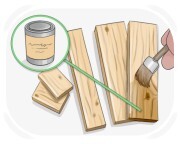
a clear or tinted coating made from resins, oils, and solvents that is applied to wood, metal, or other surfaces to provide a protective and decorative finish
lak, fernis
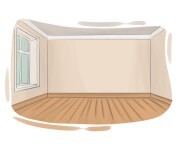
an empty or vacant space within a solid object or within a larger area, typically devoid of substance
prázdnota, dutina
Inženýři během kontroly objevili dutinu v betonovém základu mostu.
a space that is utterly empty of all matter
vakuum, prázdnota
Vakuum vesmíru je charakterizováno extrémně nízkým tlakem a absencí atmosféry.
related to something that is moving or transported through the air
přenášený vzduchem, vzdušný
Vědci studovali vzdušné znečišťující látky v městských oblastech, aby posoudili jejich dopad na kvalitu ovzduší.
looking dark, dirty, or shabby, often because of not being taken care of or cleaned properly
tmavý, špinavý
Navzdory svému omšelému vzhledu měl starý dům jisté kouzlo.
