
Согласие и Несогласие - Несогласие и оппозиция (часть 2)
Здесь вы выучите некоторые английские слова, связанные с оппозицией, такие как "demur", "deadlock" и "criticize".
Обзор
Флэш-карточки
формы
Правописание
Тест


to make an attack in response to someone else's attack

нанести ответный удар
Боксер поглотил удары своего противника, а затем контратаковал быстрой комбинацией.
an attack made in response to someone else's attack
ответный удар
Армия начала контратаку, чтобы вернуть потерянную территорию.
negative feedback that highlights mistakes or areas for improvement
критика
Его критика помогла мне увидеть недостатки, которых я раньше не замечал.
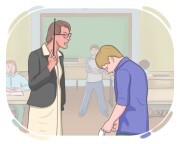
to point out the faults or weaknesses of someone or something
критиковать
Учитель критиковал сочинение студента за отсутствие организации и ясности.
to argue or have a disagreement with someone
вступить в спор, поспорить
Она вступила в спор с гендиректором из-за сокращения бюджета.
a situation in which the parties involved do not compromise and therefore are unable to reach an agreement
тупик, затор
Мирные переговоры закончились тупиком, при этом ни одна из сторон не была готова уступить в своих требованиях.
(of disagreements, disputes, etc.) unable to be settled because the parties involved do not compromise
зашедший в тупик, безвыходный

a discussion about a particular issue between two opposing sides, mainly held publicly
дискуссия
Кандидаты приняли участие в телевизионных дебатах, чтобы представить свои взгляды на экономическую политику.
to formally discuss a matter, usually in a structured setting
дискутировать
Кандидаты вышли на сцену, чтобы обсудить свои взгляды на важные вопросы перед живой аудиторией.

to express one's disagreement, refusal, or reluctance
возражать
Когда Сару попросили поработать сверхурочно, она возразила, ссылаясь на семейные обязательства.

to negotiate with someone, particularly about the price of something
торговаться
При покупке автомобиля покупатели часто торгуются по поводу окончательной цены.

to hold or give a different opinion about something
не соглашаться
Он не согласился с рецензией критика на пьесу.
an argument or a situation in which people have different opinions about something
разногласие
Встреча закончилась разногласиями, так как члены команды не смогли прийти к консенсусу по направлению проекта.
to make it known that one is not connected with or does not support or agree with someone or something; to declare that something does not have any connection with something else
разъединить
lack of agreement between people
диссонанс, несоответствие
Команда проекта страдала от разногласий, так как у отдельных членов были противоречивые приоритеты и цели.
having conflicting or opposing elements that create disagreement or tension
диссонирующий
Несогласованные мнения среди членов команды привели к разрыву в общении и сотрудничестве.
disagreement over important things that makes people become unfriendly toward one another
разногласие
not yet proven true or right
спорный
Ученый представил спорную теорию, которая вызвала дебаты.
a formal discussion where people hold differing views and fail to reach an agreement
диспут, спор
Адвокат вступил в диспут с оппонентом по поводу толкования контракта.
a disagreement or argument, often involving conflicting opinions or interests
пререкания
Спор между двумя соседями был урегулирован после длительной сессии посредничества.
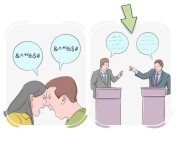
to argue with someone, particularly over the ownership of something, facts, etc.
оспаривать
Участвующие стороны оспаривали условия соглашения, что привело к затяжным переговорам.
lack of agreement between people
разногласия
Два ученых имели публичный разногласие по поводу интерпретации древних текстов.
a difference of opinion, especially from commonly accepted beliefs
разногласие
Среди членов комитета было открытое несогласие по поводу предложения.
to give or have opinions that differ from those officially or commonly accepted
не соглашаться
Известно, что она часто несоглашалась во время встреч, всегда бросая вызов преобладающим взглядам.
someone who disagrees with a common belief or an official decision
диссидент
having or giving opinions that differ from those officially or commonly accepted
несогласный
the action or process of disagreeing or disobeying established authority or doctrine
диссидентство
Их инакомыслие приняло форму контркультурного искусства и музыки, которые передавали анти-истеблишментские послания.
someone who declares opposition to the government of one's country, knowing there is punishment for doing so
диссидент, инакомыслящий
Андрей Сахаров был выдающимся советским физиком, который стал диссидентом из-за своих кампаний за политические и гражданские права.
opposing official policy, especially that of an authoritarian government or dominant group
диссидентский
Инакомыслящие голоса были заглушены режимом.
to make it clear that one has no connection with or does not support or agree with someone or something; to state that something does not have any connection with something else
диссоциировать
the action of separating or removing something from an association or connection
диссоциация
Компания объявила о разъединении своей дочерней компании с материнской группой.
a state of disagreement between people's opinions, actions, or personalities, often resulting in tension
несоответствие
Между словами менеджера и его действиями была явная диссонанс.
having elements or ideas that strongly disagree or clash
диссонирующий
Их мнения по этому вопросу были диссонансными, что привело к жарким спорам и разногласиям.
the lack of harmony or agreement within a group, leading to division or conflict
разобщенность
(of views, opinions, etc.) to be different from each other
расходиться
Во время дебатов взгляды кандидатов начали расходиться по ключевым вопросам экономической политики.
a difference in interests, views, opinions, etc.
расхождение
Религиозное разногласие в семье привело к оживлённым дебатам за обеденным столом.

to cause disagreement among people
разделять, раскалывать
Политическая поляризация глубоко разделила страну, граждане придерживаются резко разных взглядов.
![to [divide] and [conquer|rule]](https://cdn.langeek.co/photo/43582/thumb/350?type=jpeg "to [divide] and [conquer|rule]")
to not allow people become united and pose a threat to one by keeping them busy through causing disagreement and argument between them
разделяй и властвуй, управлять через раскол
Старая политика была создана, чтобы расколоть рабочих до того, как они успеют объединиться.
disagreement among members of a group or society
разделение
Политическое разделение внутри страны усилилось за последние годы.
causing disagreement or hostility by creating strong differences of opinion among people
разделяющий
Проблема иммиграции была крайне разделяющей, расколов нацию на противоборствующие лагеря.
a split in people disagreeing or opposing one another
раскол, разделенность
