pattern

Список Слов Уровня C1 - обсуждение

Здесь вы выучите некоторые английские слова о диалоге и дискурсе, такие как "обобщать", "предубеждение", "склонный" и т.д., подготовленные для учащихся уровня C1.

Обзор

Флэш-карточки

формы

Правописание

Тест

Начать учиться
CEFR C1 Vocabulary
to generalize
to generalize
[глагол]

to form an opinion or reach a conclusion about something by taking a few instances or facts into account

обобщать

обобщать

Ex: It 's important not to generalize about a whole group based on a few individuals .

Важно не обобщать обо всей группе на основе нескольких человек.

Закрыть
Войти
to go against
to go against
[глагол]

to disagree with or not fit well with a specific rule, concept, or standard

Противостоять

Противостоять

Ex: The new policy goes against the standard procedures followed by most government agencies .

Новая политика противоречит стандартным процедурам, которым следуют большинство государственных учреждений.

Закрыть
Войти
to invoke
to invoke
[глагол]

to mention someone or something of prominence as a support or reason for an argument or action

ссылаться на, вызывать

ссылаться на, вызывать

Ex: In his defense , he invoked his right to remain silent during questioning .

В свою защиту он сослался на свое право хранить молчание во время допроса.

Закрыть
Войти
to plead
to plead
[глагол]

to state something as an excuse

оправдывать

оправдывать

Ex: The prosecution pleaded conspiracy , alleging that the defendant conspired with others to commit the crime .

Обвинение заявило о заговоре, утверждая, что подсудимый сговорился с другими для совершения преступления.

Закрыть
Войти
to point
to point
[глагол]

to suggest that something is probable or certain

указывать, намекать

указывать, намекать

Ex: The survey results point to a decline in customer satisfaction.

Результаты опроса указывают на снижение удовлетворенности клиентов.

Закрыть
Войти
to prejudice
to prejudice
[глагол]

to unfairly influence someone's opinion or judgment about someone or something

наносить ущерб, предубеждать

наносить ущерб, предубеждать

Ex: His past experiences with dishonesty prejudiced him against trusting anyone in similar situations .

Его прошлый опыт с нечестностью предвзято настроил его против доверия кому-либо в подобных ситуациях.

Закрыть
Войти
to provoke
to provoke
[глагол]

to intentionally annoy someone so that they become angry

провоцировать

провоцировать

Ex: The opposing teams engaged in trash talk , attempting to provoke each other before the big game .

Соперничающие команды обменивались колкостями, пытаясь спровоцировать друг друга перед большой игрой.

Закрыть
Войти
to reconsider
to reconsider
[глагол]

to think again about an opinion or decision, particularly to see if it needs changing or not

пересматривать

пересматривать

Ex: The judge agreed to reconsider the verdict in light of the new testimony .

Судья согласился пересмотреть приговор в свете новых показаний.

Закрыть
Войти
to signpost
to signpost
[глагол]

to mark a place such as a road, etc. with a signpost

обозначить указателем

обозначить указателем

Ex: It 's important to signpost key points in your presentation to guide your audience .

Важно обозначать ключевые моменты в вашей презентации, чтобы направлять аудиторию.

Закрыть
Войти
to sum up
to sum up
[глагол]

to briefly state the most important parts or facts of something

подводить итог

подводить итог

Ex: He summed up the novel 's plot in a few sentences for those who had n't read it .

Он подвел итог сюжету романа в нескольких предложениях для тех, кто его не читал.

Закрыть
Войти
to yap
to yap
[глагол]

to talk excessively or continuously, often in a way that is annoying to others

трещать,  болтать

трещать, болтать

Ex: He yapped about his new car until everyone in the room was tired of hearing about it .

Он болтал о своей новой машине, пока всем в комнате не надоело об этом слышать.

Закрыть
Войти
ideological
ideological
[прилагательное]

based on or relating to a specific set of political or economic views or policies

идеологический

идеологический

Ex: The ideological shift towards free-market capitalism led to changes in economic policy .

Идеологический сдвиг в сторону свободного рыночного капитализма привел к изменениям в экономической политике.

Закрыть
Войти
irrelevant
irrelevant
[прилагательное]

having no importance or connection with something

неуместный

неуместный

Ex: The comments about the weather were irrelevant to the discussion about global warming .

Комментарии о погоде были неуместны в обсуждении глобального потепления.

Закрыть
Войти
inclined
inclined
[прилагательное]

giving an opinion in a way that is not strong

наклонный

наклонный

Ex: The committee members were inclined to approve the budget , pending further review of expenses .

Члены комитета были склонны одобрить бюджет, ожидая дальнейшего рассмотрения расходов.

Закрыть
Войти
inflexible
inflexible
[прилагательное]

(of a rule, opinion, etc.) fixed and not easily changed

негибкий, жесткий

негибкий, жесткий

Ex: The law was considered inflexible and outdated , prompting calls for reform .

Закон считался негибким и устаревшим, что вызвало призывы к реформе.

Закрыть
Войти
mistaken
mistaken
[прилагательное]

(of a person) wrong in one's judgment, opinion, or belief

ошибочный

ошибочный

Ex: The teacher clarified the concept for the student who was mistaken in their interpretation .

Учитель разъяснил концепцию ученику, который ошибся в своей интерпретации.

Закрыть
Войти
moderate
moderate
[прилагательное]

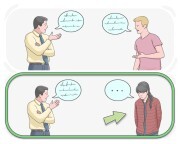
(of a person or ideology) not extreme or radical and considered reasonable by a majority of people

умеренный

умеренный

Ex: She is a moderate person who listens to all sides before making decisions .

Она умеренный человек, который выслушивает все стороны перед принятием решений.
Закрыть
Войти
reserved
reserved
[прилагательное]

reluctant to share feelings or problems

замкнутый

замкнутый

Ex: She appeared reserved, but she was warm and kind once you got to know her.

Она казалась сдержанной, но была теплой и доброй, как только вы ее узнавали.

Закрыть
Войти
unstated
unstated
[прилагательное]

not clearly said or explained

неутвержденный

неутвержденный

Ex: The unstated premise of the argument was that success is measured solely by financial gain .

Невысказанная предпосылка аргумента заключалась в том, что успех измеряется исключительно финансовой выгодой.

Закрыть
Войти
vocal
vocal
[прилагательное]

giving opinions loudly or freely

речевой

речевой

Ex: The employees were vocal in expressing their dissatisfaction with the new management policies .

Сотрудники были громкими в выражении своего недовольства новыми управленческими политиками.

Закрыть
Войти
given that
given that
[союз]

used to express that one is considering a particular fact before sharing one's opinion or making a judgment

учитывая,  что

учитывая, что

Ex: Given that he had already apologized , they decided to move on from the incident .

Учитывая, что он уже извинился, они решили оставить инцидент позади.

Закрыть
Войти
no kidding
no kidding
[междометие]

used to highlight the sincerity or truthfulness of a statement

это правда

это правда

Ex: I was stuck in the rain without an umbrella , and , no kidding , a stranger offered to share theirs .

Я застрял под дождем без зонта, и, без шуток, незнакомец предложил поделиться своим.

Закрыть
Войти
honest to God
honest to God
[прилагательное]

used to emphasize the fact that one is telling the truth

честное слово

честное слово

Ex: Honest to God, I thought I left my keys on the kitchen counter .

Честно перед Богом, я думал, что оставил свои ключи на кухонной столешнице.

Закрыть
Войти
having said that
having said that
[фраза]

used to introduce an opposing statement after making a point

сказав это

сказав это

Ex: The project has achieved significant milestones in terms of efficiency; having said that, there's room for improvement when it comes to communication among team members.
Закрыть
Войти
if anything
if anything
[фраза]

used to suggest that the opposite of what has been stated may be closer to the truth

если что-нибудь

если что-нибудь

Ex: The new policy hasn't made things easier; if anything, it's added more confusion.
Закрыть
Войти
at all
at all
[наречие]

to the smallest amount or degree

абсолютно никаких

абсолютно никаких

Ex: I do n't like him at all.

Он мне не нравится совсем.

Закрыть
Войти
that said
that said
[фраза]

used to introduce statement that is in contrast to what one previously stated

который сказал

который сказал

Ex: The economy is struggling.That said, house prices rose slightly last month.
Закрыть
Войти
beyond doubt
beyond doubt
[фраза]

in a way that is absolutely certain and cannot be questioned

вне всяких сомнений, без сомнения

вне всяких сомнений, без сомнения

Ex: His expertise in the subject matter was beyond doubt, earning him the respect of his colleagues.
Закрыть
Войти
hostility
hostility
[существительное]

behavior or feelings that are aggressive or unfriendly

враждебность

враждебность

Ex: He could sense the hostility in her voice , even though she tried to remain calm .

Он чувствовал враждебность в её голосе, хотя она старалась сохранять спокойствие.

Закрыть
Войти
mainstream
mainstream
[существительное]

the opinions, activities, or methods that are considered normal because they are accepted by a majority of people

господствующая тенденция, основной поток

господствующая тенденция, основной поток

Ex: His views were considered outside the mainstream of political thought .

Его взгляды считались вне мейнстрима политической мысли.

Закрыть
Войти
objectivity
objectivity
[существительное]

the state of being affected by facts and statistics instead of personal opinions and feelings

объективность

объективность

Ex: The panel 's objectivity was essential in evaluating the contestants impartially during the competition .

Объективность жюри была необходима для беспристрастной оценки участников во время соревнования.

Закрыть
Войти
subjectivity
subjectivity
[существительное]

the state of being affected by personal opinions and feelings instead of facts and statistics

субъективность

субъективность

Ex: While evaluating creative work , subjectivity plays a significant role , as each viewer brings their own experiences and feelings to the table .

При оценке творческой работы субъективность играет значительную роль, так как каждый зритель привносит свои собственные переживания и чувства.

Закрыть
Войти
premise
premise
[существительное]

a theory or statement that acts as the foundation of an argument

предположение

предположение

Ex: The legal case was built on the premise that the defendant had breached the contract intentionally .

Юридическое дело было построено на предпосылке, что ответчик намеренно нарушил контракт.

Закрыть
Войти
reasoning
reasoning
[существительное]

the act of rational and logical thinking about something

рассуждения

рассуждения

Ex: Effective reasoning is essential in solving complex problems and making informed decisions .

Эффективное рассуждение необходимо для решения сложных проблем и принятия обоснованных решений.

Закрыть
Войти
say
say
[существительное]

the right or chance to give an opinion about something

выражение своё мнение

выражение своё мнение

Ex: In a democratic society , citizens have a say in how they are governed through voting and public discourse .

В демократическом обществе граждане имеют право голоса в том, как ими управляют, через голосование и публичные обсуждения.

Закрыть
Войти
to [have] second thoughts

to start doubting a decision and begin to wonder whether it is the right or best thing to do

засомневаться, передумать

засомневаться, передумать

Ex: If you're having second thoughts, we can delay the decision.

Если ты сомневаешься, мы можем отложить решение.

Закрыть
Войти
voice
voice
[существительное]

the right to give an opinion on something

речь

речь

Ex: Online forums and discussion boards allow individuals from diverse backgrounds to share their voices and engage in meaningful dialogue on important topics .

Онлайн-форумы и дискуссионные доски позволяют людям из разных слоев общества делиться своими голосами и участвовать в содержательном диалоге по важным темам.

Закрыть
Войти
solidarity
solidarity
[существительное]

the support given by the members of a group to each other because of sharing the same opinions, feelings, goals, etc.

солидарность

солидарность

Ex: The team members expressed solidarity with their captain , supporting her decision to retire .

Члены команды выразили солидарность со своим капитаном, поддерживая её решение уйти на пенсию.

Закрыть
Войти
LanGeek
Скачать приложение LanGeek