pattern

Lista de Palavras Nível C1 - Diálogo e Discurso

Aqui você aprenderá algumas palavras em inglês sobre diálogo e discurso, como "generalizar", "preconceito", "inclinado", etc., preparadas para alunos do nível C1.

Revisar

Flashcards

formas

Ortografia

Quiz

Começar a aprender
CEFR C1 Vocabulary
to generalize

to form an opinion or reach a conclusion about something by taking a few instances or facts into account

generalizar, universalizar

generalizar, universalizar

Ex: It's important not to generalize about a whole group based on a few individuals. 

É importante não generalizar sobre um grupo inteiro com base em alguns indivíduos.

Fechar
Entrar
to go against

to disagree with or not fit well with a specific rule, concept, or standard

ir contra, contradizer

ir contra, contradizer

Ex: The new policy goes against the standard procedures followed by most government agencies. 

A nova política vai contra os procedimentos padrão seguidos pela maioria das agências governamentais.

Fechar
Entrar
to invoke
to invoke
[verbo]

to mention someone or something of prominence as a support or reason for an argument or action

invocar, apelar para

invocar, apelar para

Ex: In his defense, he invoked his right to remain silent during questioning. 
Fechar
Entrar
to plead
to plead
[verbo]

to give a particular fact or condition as an excuse or justification

alegar,  pretextar

alegar, pretextar

Ex: The company pleaded financial difficulties in defense of the delay. 
Fechar
Entrar
to point
to point
[verbo]

to suggest that something is probable or certain

indicar, sugerir

indicar, sugerir

Ex: Her frequent absences from work point to potential dissatisfaction with her job. 
Fechar
Entrar
to prejudice

to cause someone to form an unfair or unreasonable opinion about a person or thing

prevenir contra,  predispor

prevenir contra, predispor

Ex: Early criticism may have prejudiced Sarah against the proposal. 
Fechar
Entrar
to provoke
to provoke
[verbo]

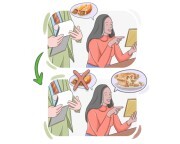
to deliberately make someone angry or annoyed, often in order to cause a reaction

provocar,  irritar
provocar, irritar

Ex: Michael knew exactly what to say to provoke his older sister. 
Fechar
Entrar
to reconsider

to think again about an opinion or decision, particularly to see if it needs changing or not

reconsiderar, repensar

reconsiderar, repensar

Ex: The judge agreed to reconsider the verdict in light of the new testimony. 

O juiz concordou em reconsiderar o veredito à luz do novo testemunho.

Fechar
Entrar
to signpost

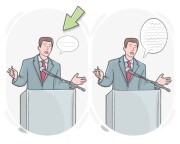
to mark a place such as a road, etc. with a signpost

sinalizar, marcar com placas

sinalizar, marcar com placas

Ex: It's important to signpost key points in your presentation to guide your audience. 

É importante sinalizar os pontos-chave em sua apresentação para guiar seu público.
Fechar
Entrar
to sum up
to sum up
[verbo]

to briefly state the most important parts or facts of something

resumir, sintetizar

resumir, sintetizar

Ex: He summed up the novel's plot in a few sentences for those who hadn't read it. 

Ele resumiu o enredo do romance em algumas frases para quem não o tinha lido.

Fechar
Entrar
to yap
to yap
[verbo]

to talk excessively or continuously, often in a way that is annoying to others

falar sem parar, tagarelar demais

falar sem parar, tagarelar demais

Ex: He yapped about his new car until everyone in the room was tired of hearing about it. 
Fechar
Entrar
ideological
ideological
[adjetivo]

based on or relating to a specific set of political or economic views or policies

ideológico

ideológico

Ex: The ideological shift towards free-market capitalism led to changes in economic policy. 

A mudança ideológica em direção ao capitalismo de livre mercado levou a mudanças na política econômica.

Fechar
Entrar
irrelevant
irrelevant
[adjetivo]

having no importance or connection with something

irrelevante, sem importância

irrelevante, sem importância

Ex: The comments about the weather were irrelevant to the discussion about global warming. 

Os comentários sobre o tempo eram irrelevantes para a discussão sobre o aquecimento global.

Fechar
Entrar
inclined
inclined
[adjetivo]

giving an opinion in a way that is not strong

inclinado, propenso

inclinado, propenso

Ex: The committee members were inclined to approve the budget, pending further review of expenses. 

Os membros do comitê estavam inclinados a aprovar o orçamento, pendente de uma revisão adicional das despesas.

Fechar
Entrar
inflexible
inflexible
[adjetivo]

(of a rule, opinion, etc.) fixed and not easily changed

inflexível, rígido

inflexível, rígido

Ex: The law was considered inflexible and outdated, prompting calls for reform. 

A lei era considerada inflexível e desatualizada, levando a pedidos de reforma.

Fechar
Entrar
mistaken
mistaken
[adjetivo]

(of a person) wrong in one's judgment, opinion, or belief

enganado, errado

enganado, errado

Ex: The teacher clarified the concept for the student who was mistaken in their interpretation. 

O professor esclareceu o conceito para o aluno que estava enganado em sua interpretação.

Fechar
Entrar
moderate
moderate
[adjetivo]

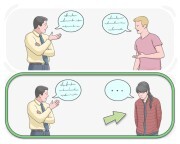
not extreme in opinions, beliefs, policies, or behavior

moderado, comedido
moderado, comedido

Ex: Daniel was known for taking moderate positions on controversial issues. 
Fechar
Entrar
reserved
reserved
[adjetivo]

reluctant to share feelings or problems

reservado, tímido

reservado, tímido

Ex: She appeared reserved, but she was warm and kind once you got to know her. 

Ela parecia reservada, mas era calorosa e gentil quando você a conhecia.

Fechar
Entrar
unstated
unstated
[adjetivo]

not clearly said or explained

não declarado, implícito

não declarado, implícito

Ex: The unstated premise of the argument was that success is measured solely by financial gain. 

A premissa não declarada do argumento era que o sucesso é medido apenas pelo ganho financeiro.

Fechar
Entrar
vocal
vocal
[adjetivo]

giving opinions loudly or freely

vocal, expressivo

vocal, expressivo

Ex: The employees were vocal in expressing their dissatisfaction with the new management policies. 
Fechar
Entrar
given that
given that
[Conjunção]

used to express that one is considering a particular fact before sharing one's opinion or making a judgment

dado que, visto que

dado que, visto que

Ex: Given that he had already apologized, they decided to move on from the incident. 

Dado que ele já havia se desculpado, eles decidiram seguir em frente após o incidente.

Fechar
Entrar
no kidding
no kidding
[interjeição]

used to highlight the sincerity or truthfulness of a statement

sem brincadeira, sério

sem brincadeira, sério

Ex: I was stuck in the rain without an umbrella, and, no kidding, a stranger offered to share theirs. 

Eu estava preso na chuva sem guarda-chuva, e, sem brincadeira, um estranho se ofereceu para compartilhar o dele.

Fechar
Entrar
honest to God
honest to God
[adjetivo]

used to emphasize the fact that one is telling the truth

sinceramente, honestamente

sinceramente, honestamente

Ex: Honest to God, I thought I left my keys on the kitchen counter. 

Honestamente a Deus, pensei que tinha deixado as minhas chaves no balcão da cozinha.

Fechar
Entrar
having said that

used to introduce an opposing statement after making a point

Ex: The project has achieved significant milestones in terms of efficiency; having said that, there's room for improvement when it comes to communication among team members. 
Fechar
Entrar
if anything

used to suggest that the opposite of what has been stated may be closer to the truth

Ex: The new policy hasn't made things easier; if anything, it's added more confusion. 
Fechar
Entrar
at all
at all
[advérbio]

to the smallest amount or degree

de modo algum, nada

de modo algum, nada

Ex: I don't like him at all. 

Eu não gosto dele nada.

Fechar
Entrar
that said
that said
[frase]

used to introduce statement that is in contrast to what one previously stated

Ex: The economy is struggling.  That said, house prices rose slightly last month. 
Fechar
Entrar
beyond doubt

in a way that is absolutely certain and cannot be questioned

Ex: The mathematical proof was beyond doubt, leaving no room for skepticism among the academic community. 
Fechar
Entrar
hostility
hostility
[substantivo]

unfriendly or antagonistic feelings, attitudes, or behavior toward someone or something

hostilidade,  animosidade

hostilidade, animosidade

Ex: Years of rivalry had created deep hostility between the families. 
Fechar
Entrar
mainstream
mainstream
[substantivo]

the opinions, activities, or methods that are considered normal because they are accepted by a majority of people

corrente principal, mainstream

corrente principal, mainstream

Ex: His views are far from the mainstream, often sparking controversy. 

Suas opiniões estão longe do mainstream, muitas vezes provocando controvérsia.

Fechar
Entrar
objectivity
objectivity
[substantivo]

the state of being affected by facts and statistics instead of personal opinions and feelings

objetividade

objetividade

Ex: The panel's objectivity was essential in evaluating the contestants impartially during the competition. 

A objetividade do painel foi essencial para avaliar os concorrentes de forma imparcial durante a competição.

Fechar
Entrar
subjectivity
subjectivity
[substantivo]

the state of being affected by personal opinions and feelings instead of facts and statistics

subjetividade

subjetividade

Ex: While evaluating creative work, subjectivity plays a significant role, as each viewer brings their own experiences and feelings to the table. 

Ao avaliar um trabalho criativo, a subjetividade desempenha um papel significativo, pois cada espectador traz suas próprias experiências e sentimentos para a mesa.

Fechar
Entrar
premise
premise
[substantivo]

a theory or statement that acts as the foundation of an argument

premissa, postulado

premissa, postulado

Ex: The film's plot relies on the premise that time travel is possible and can alter past events. 
Fechar
Entrar
reasoning
reasoning
[substantivo]

the act of rational and logical thinking about something

raciocínio, lógica

raciocínio, lógica

Ex: Effective reasoning is essential in solving complex problems and making informed decisions. 
Fechar
Entrar
say
say
[substantivo]

the right or chance to give an opinion about something

voz, direito de opinar

voz, direito de opinar

Ex: As a valued member of the team, she always had a significant say in project planning. 
Fechar
Entrar
to [have] second thoughts

to start doubting a decision and begin to wonder whether it is the right or best thing to do

ter dúvidas, repensar a decisão

ter dúvidas, repensar a decisão

Ex: If you're having second thoughts, we can delay the decision. 

Se estás com dúvidas, podemos adiar a decisão.

Fechar
Entrar
voice
voice
[substantivo]

the right to give an opinion on something

voz, direito de opinar

voz, direito de opinar

Ex: Activists fight for marginalized groups to have a voice in decision-making processes, advocating for inclusivity and representation. 
Fechar
Entrar
solidarity
solidarity
[substantivo]

the support given by the members of a group to each other because of sharing the same opinions, feelings, goals, etc.

solidariedade

solidariedade

Ex: The team members expressed solidarity with their captain, supporting her decision to retire. 

Os membros da equipe expressaram solidariedade com sua capitã, apoiando sua decisão de se aposentar.

Fechar
Entrar
LanGeek
Baixar o aplicativo LanGeek
