
C1 Szintű Szólista - Párbeszéd és Diskurzus
Itt megtanulsz néhány angol szót a párbeszédről és a diskurzusról, mint például "általánosít", "előítélet", "hajlamos" stb., amelyek C1 szintű tanulók számára készültek.
Áttekintés
Villámkártyák
alakok
Betűzés
Kvíz


to form an opinion or reach a conclusion about something by taking a few instances or facts into account

általánosít, univerzalizál
Hajlamos általánosítani a személyes tapasztalataiból, ahelyett, hogy szélesebb perspektívákat venne figyelembe.
to disagree with or not fit well with a specific rule, concept, or standard
ellentmond, nem egyezik
A törvényben javasolt változtatások ellentétesek az igazságosság és méltányosság elveivel.
to mention someone or something of prominence as a support or reason for an argument or action
hivatkozik, fellebbez
to give a particular fact or condition as an excuse or justification
hivatkozik, kifogásol
to suggest that something is probable or certain
utal, sejtet

to cause someone to form an unfair or unreasonable opinion about a person or thing
elfogulttá tesz, előítéletet kelt
to deliberately make someone angry or annoyed, often in order to cause a reaction
provokál, ingerel

to think again about an opinion or decision, particularly to see if it needs changing or not
újragondol, átgondol
Új bizonyítékok hallatán átgondolta a kérdésben foglalt álláspontját.
to mark a place such as a road, etc. with a signpost
kijelöl, táblákkal ellát
Gondosan kijelölte az utat a legközelebbi vészkijárathoz az épületben.
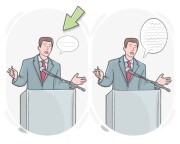
to briefly state the most important parts or facts of something
összefoglal
Az interjú során megkérték, hogy foglalja össze a képesítéseit néhány mondatban.

to talk excessively or continuously, often in a way that is annoying to others
megállás nélkül dumálni, idegesítően sokat beszélni
based on or relating to a specific set of political or economic views or policies
ideológiai
A konzervatívok és liberálisok közötti ideológiai szakadék alakítja a közpolitikai vitákat.

having no importance or connection with something
irreleváns, lényegtelen
A múltbeli hibák felhozása lényegtelen a jelenlegi beszélgetés szempontjából.
giving an opinion in a way that is not strong
hajlamos, hajlott
Hajlamos a támogatásra az új politika iránt, de előbb több vitát akar hallani.
(of a rule, opinion, etc.) fixed and not easily changed
rugalmatlan, merev
Az apja véleményei merevek és ritkán nyitottak a vitára.
(of a person) wrong in one's judgment, opinion, or belief
téves, tévedő
Tévedett, amikor azt hitte, hogy egyedül, egy nap alatt befejezheti a projektet.
not extreme in opinions, beliefs, policies, or behavior
mérsékelt, moderált
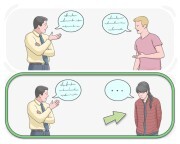
reluctant to share feelings or problems
foglalt, zárkózott
Az emberek gyakran félreértelmezték fogódzós viselkedését barátságtalannak.
not clearly said or explained
kimondatlan, implicit
Az elhallgatott feltételezése az volt, hogy mindenki részt vesz a megbeszélésen, ami zavart okozott, amikor néhányan nem jelentek meg.
giving opinions loudly or freely
vokális, kifejező
used to express that one is considering a particular fact before sharing one's opinion or making a judgment
figyelembe véve, hogy
A találkozót törölték tekintettel arra, hogy sok csapattag beteg volt.
used to highlight the sincerity or truthfulness of a statement
nem viccelek, komolyan
Nem viccelek, a találkozót átrakták ma délutánra.
used to emphasize the fact that one is telling the truth
őszintén, becsületesen
Őszintén Isten előtt, még soha nem láttam ilyen intenzív vihart.
used to introduce an opposing statement after making a point
used to suggest that the opposite of what has been stated may be closer to the truth
to the smallest amount or degree
egyáltalán, semmiképpen
Ennek semmi értelme.
used to introduce statement that is in contrast to what one previously stated
in a way that is absolutely certain and cannot be questioned
unfriendly or antagonistic feelings, attitudes, or behavior toward someone or something
ellenségesség, ellenségeskedés
the opinions, activities, or methods that are considered normal because they are accepted by a majority of people
főáram, mainstream
Nézetei távol állnak a mainstreamtől, gyakran vitákat váltva ki.
the state of being affected by facts and statistics instead of personal opinions and feelings
objektivitás
A tudományos kutatásban az objektivitás fenntartása döntő fontosságú a pontos és megbízható eredmények biztosítása érdekében.
the state of being affected by personal opinions and feelings instead of facts and statistics
szubjektivitás
A szemtanúk vallomásában rejlő szubjektivitás eltérő beszámolókhoz vezethet ugyanarról az eseményről.
a theory or statement that acts as the foundation of an argument
premissza, posztulátum
the act of rational and logical thinking about something
érvelés, logika
Világos és logikus megfontolása a prezentáció alatt lenyűgözte az egész bizottságot.
the right or chance to give an opinion about something
szó, véleménynyilvánítás joga
to start doubting a decision and begin to wonder whether it is the right or best thing to do
elbizonytalanodni, meggondolni magát
Aláírta a szerződést, aztán rögtön elbizonytalanodott.
the right to give an opinion on something
hang, véleménynyilvánítás joga

the support given by the members of a group to each other because of sharing the same opinions, feelings, goals, etc.
szolidaritás
