
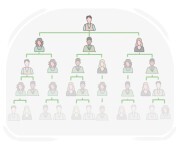
the grouping of people into different levels or ranks according to their power or importance within a society or system

hierarki, hierarkisk skala
a system of writing using symbols or pictures, originally used by the ancient Egyptians

hieroglyf, hieroglyfskrift
a person that one is opposed to and fights or competes with

motståndare, fiende
against someone or something's advantage

ofördelaktig, motsatt
a situation marked by hardship or misfortune

motgång, otur
the period during which a woman is pregnant, from conception to birth

graviditet
to start to grow, producing buds or branches

gro, spira
to give up, surrender, or part with a possession, right, or claim
a box or case for holding and displaying sacred objects

relikskrin, helgonkista
to enjoy or take pleasure in something greatly

njuta av, frossa i
an object or part of an object surviving from the past, typically with historical or emotional value, often linked to a person, event, or era

relik, lämning
displaying or possessing extensive knowledge that is acquired by studying and reading

lärd, beläst
deep, extensive learning or knowledge

lärdom, djup kunskap
idle, indolent, or showing little effort, often in a dreamy or unmotivated way
(of hair or eyes) without shine, sheen, or brightness

matt, glanslös
to realize through the senses

uppfatta, förnimma
(of a person) able to quickly and accurately understand or notice things due to keen awareness and insight

skarp, perceptiv
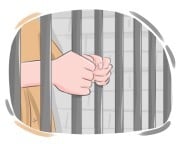
to confine someone in prison or a similar facility due to legal reasons or as a form of punishment

inspärra, fängsla
the act of putting or keeping someone in captivity

inspärrning, fängslande
existing in a physical form, especially in reference to a quality or concept

inkarnerad, förkroppsligad
| SAT Ordfärdigheter 1 | |||
|---|---|---|---|
| Lektion 41 | Lektion 42 | Lektion 43 | Lektion 44 |
| Lektion 45 | Lektion 46 | Lektion 47 | Lektion 48 |
| Lektion 49 | Lektion 50 | ||