
Vetenskap ACT - Zoologi
Lär dig ACT-vetenskapsvokabulär för zoologi, inklusive djurens klassificering, beteende, anatomi, livsmiljöer, fortplantning och andra begrepp relaterade till djurliv.
Recension
Flashcards
Stavning
Quiz

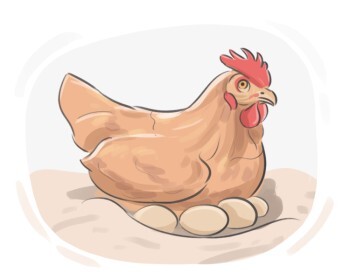
to keep an egg in a favorable condition to help it develop until it hatches

inkubera, ruva
Moderkrokodilen kläckte tålmodigt sina ägg som var begravda i sanden.
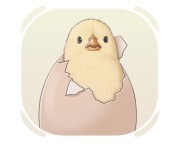
(of birds, fish, etc.) to come out of an egg
kläckas
Ornitologen dokumenterade den sällsynta händelsen av örnungarna som kläcktes i boet högt upp i trädet.

the number of eggs or offspring produced by a single reproductive effort, typically by a bird, reptile, or insect
kullstorlek, antal ägg per kull
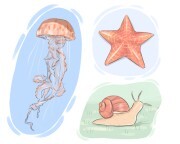
of, relating to, found in, or living in the sea
marin, havs-
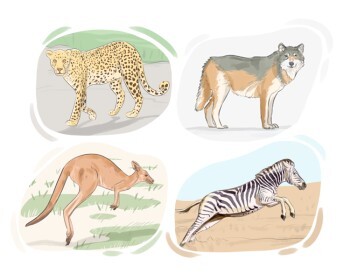
a warm-blooded vertebrate animal whose females produce milk to feed their young and that typically has hair or fur
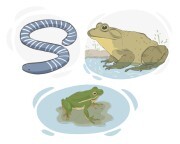
any cold-blooded animal with the ability to live both on land and in water, such as toads, frogs, etc.
amfibie, amphibian
Salamandrar är små, färgglada amfibier som vanligtvis lever i dammar och bäckar, där de förökar sig och lägger ägg.
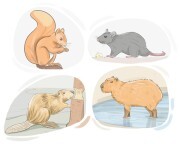
any small mammal with a pair of strong front teeth, such as mice, hamsters, rats, etc.
gnagare, gnagare
Marsvin, även om de liknar gnagare, är faktiskt klassificerade i en separat familj som kallas caviidae.
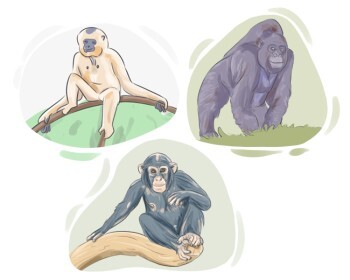
any mammalian animal that belongs to the same group as humans, such as monkeys, apes, lemurs, etc.
primat, apa
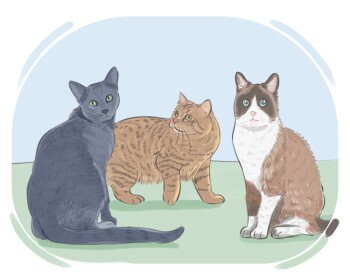
any animal in the cat family
kattdjur, katt
Kattdjur har retractila klor som hjälper dem att klättra i träd.
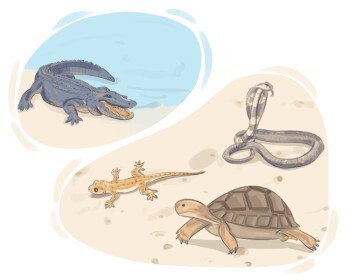
a class of animals to which crocodiles, lizards, etc. belong, characterized by having cold blood and scaly skin
reptil, kallblodigt djur
Reptilen kröp långsamt över den solbelysta stenen och absorberade värme.
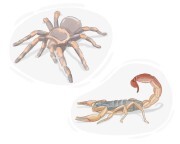
a class of terrestrial arthropods that breathe air and have four pairs of limbs, such as spiders, scorpions, etc.
spindeldjur
a hoofed mammal, typically herbivorous, which includes animals such as horses, cows, deer, and elephants
hovdjur, håriga hovdjur
Zoos nya utställning innehåller flera hovdjur, såsom giraffer och bisonoxar.
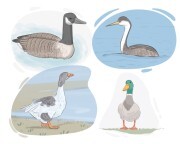
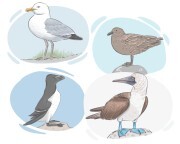
any aquatic bird, especially a game bird of fresh waters
vattenfågel, viltfågel i sötvatten
a type of moth belonging to the family Sphingidae, known for their rapid flight and ability to hover while feeding on nectar from flowers
svärmare, nattfjäril
Svärmare spelar en betydande roll i pollineringen av nattblommande blommor.

any long and cylindrical worm with a segmented body that is either parasitic or free-living
nematod, rundmask
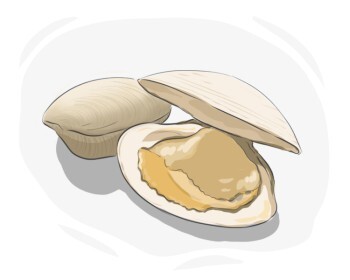
a type of shellfish that can be eaten both raw and cooked, some of which contain pearls inside
ostron, ätbart ostron
Hon hittade en vacker pärla inuti ostronet hon åt på stranden.
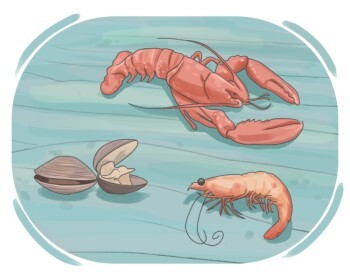
a sea creature with a hard shell and jointed legs such as crabs and lobsters
kräftdjur, skaldjur
Under vår naturvandring hittade vi ett intressant kräftdjur, en liten sötvattenskräfta, i bäcken.
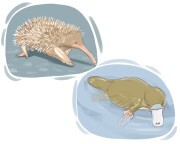
any mammal that lays eggs and is only found in Australia, such as platypus
kloakdjur, äggläggande däggdjur
an invertebrate animal with a segmented body and a chitinous exoskeleton, such as a spider, crab, etc.
leddjur, arthropod
Spindlar är leddjur kända för sin förmåga att spinna silke.

a black-and-white crow with a long tail that is noted for its intelligence
skata, skjor
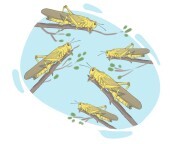
a large grasshopper that lives in hot countries and flies in large swarms, destroying crops
gräshoppa, locust

a marine arthropod with an external shell that attaches itself to a surface and feeds on particles that are in the water
havstulpan, rankfoting
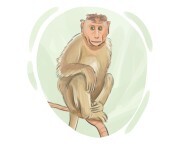
a type of monkey that belongs to the Old World monkey family, characterized by their long tails, cheek pouches
makak
a member of the biological family Hominidae, which includes humans, their ancestors, and other great apes like chimpanzees, gorillas, and orangutans
hominid, medlem av familjen Hominidae
Tidiga hominider använde primitiva verktyg tillverkade av stenar och ben.

a small egg-laying mammal that is covered in spines, has a pointed snout and originates from Australia
myrpiggsvin, ekidna
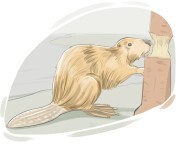
a semiaquatic rodent with a wide tail and strong teeth that builds dams across streams and is mainly found in the Northern hemisphere
bäver, kastor
of or relating to monkeys or apes
apart, apa-
Skådespelarens framställning av den ap-liknande karaktären i filmen var anmärkningsvärt livslik, tack vare avancerad motion capture-teknik.
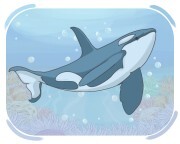
a large, black-and-white marine mammal known for its social behavior, intelligence, and adaptability, found in oceans worldwide and known as an apex predator
späckhuggare, mördarval
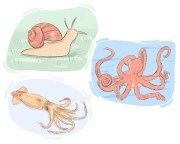
any invertebrate that lives in aquatic or damp habitats and has a soft unsegmented body, often covered with a shell
blötdjur, snäcka
Musslor och blåmusslor är ätbara blötdjur som finns i kustnära vatten.
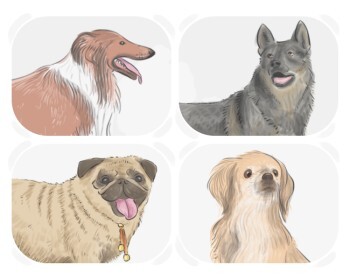
a member of the dog family, including domestic dogs, wolves, foxes, and related animals
hund, canid
Familjens hund vakthund skällde högt vid minsta tecken på inkräktare, vilket gav ett extra lager av säkerhet för deras hem.

a small shorebird with a short hard-tipped bill and a stout build
pipare, strandpipare

a small, short-tailed, ground-dwelling game bird with brownish plumage
vaktel, vanlig vaktel
En moder-vaktel ledde sitt dussin små kycklingar över stigen.

a small marine animal that is covered with spines and has a round shell, harvested for food
sjöborre, havsborre
a colorful bird species found in the Americas, known for its vibrant plumage, melodious songs, and important ecological role in seed dispersal
tangara, färgglad fågel i Amerika
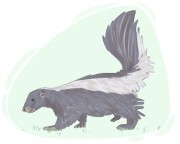
a small mammal belonging to the weasel family with black and white stripes that can produce a strong unpleasant smell when attacked, native to North America
skunk, stinkdjur
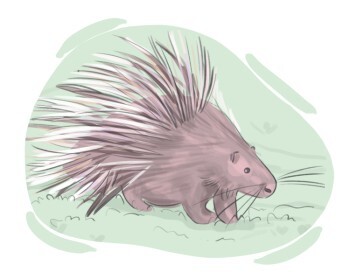
an animal with sharp needle-like parts on its body and tail, used for protection
piggsvin, igelkott

a sharp, stiff, hollow spine found on the body of porcupines or hedgehogs, serving as a defensive mechanism against predators
tagg, ryggrad
a specialized caste of social insects, such as ants or termites, that are engorged with food and serve as living food storage units within the colony
replet, levande lager
Forskare observerade att repletes utnyttjades av hungriga bo-kamrater.

a cream or golden horse with a white tail and mane
palomino, palominohäst

a large marine mammal known for its distinctive appearance, acrobatic behavior, and complex songs
knölval, puckelval
a long, tubular feeding organ found in many insects, such as butterflies, moths, and flies, which is used to suck up nectar, other liquids, or in some cases, blood
snabel, proboscis
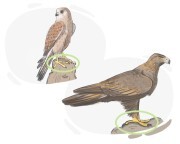

the long and protruding facial part of an animal which comprises its nose and mouth, especially in a mammal
nos, tryne
the bivalve shell of a clam, characterized by two symmetrical halves that hinge together
musselskal, musselklaff
Musselskal används i smycken och hantverk för deras naturliga skönhet och hållbarhet.
any external body part that protrudes from an organism's main body, often used to describe limbs, antennae, or other structures
bilaga, lem
En ödlas svans är en bihang som används för balans och kommunikation.
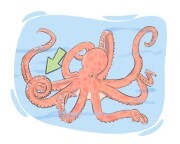
any of the various flexible limbs of an animal, especially an invertebrate, which enable it to move or hold things
tentakel, bihang
the posterior part of a fish or aquatic animal's body, composed of fins that provide propulsion and maneuverability
stjärtfena, fisksvans
Tonfiskar är kända för sina strömlinjeformade kroppar och halvmåneformade stjärtfenor.
the biological ability of certain organisms to perceive and orient themselves based on the Earth's magnetic field
magnetoreception, magnetisk perception
the biological ability of certain animals to detect electrical fields in their environment to locate prey, navigate, and communicate
elektroreception, elektrisk detektion
(of animals or birds) moving from one place to another, often with the changing seasons
flyttande, migrerande
Flyttfåglar är beroende av specifika rastplatser för vila och föda.
to transform from the larval stage into a pupa during an insect's development
förpuppa sig, omvandlas till puppa
Trädgårdsmästare observerar ofta fjärilslarver som hittar tysta platser för att förpuppa sig i sina trädgårdar.
relating to or characteristic of the larva stage, which is an early, immature form of an animal that undergoes metamorphosis
larv-, relaterad till larven
Larv insekter har ofta olika födovanor jämfört med sina vuxna former.
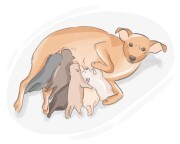
(of an animal) to have sex and give birth to young
föröka sig, avla
a biological process in which an animal undergoes a significant change in form and structure during its life cycle, typically seen in insects, amphibians, and other animals
metamorfos, förvandling
Metamorfos gör det möjligt för vissa arter att utnyttja olika ekologiska nischer under sina livsstadier.
a scientist who specializes in the study of birds, including their behavior, ecology, and evolution
ornitolog
Ornitologens bok blev en bästsäljare bland fågelentusiaster.
a scientist who studies reptiles and amphibians
herpetolog, forskare som studerar reptiler och amfibier
Hennes passion för reptiler ledde till att hon blev en känd herpetolog.
a scientist who specializes in the study of insects, including their behavior, ecology, and classification
entomolog
Entomologen upptäckte en ny fjärilsart i regnskogen.
