
pattern

SAT Word Skills 1 - Lesson 3

Review

Flashcards

Forms

Spelling

Quiz

Start learning
SAT Word Skills 1
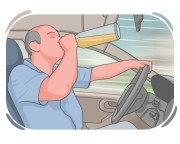
reckless
reckless
[Adjective]

not caring about the possible results of one's actions that could be dangerous
Ex: The reckless gambler bet all of his savings on a risky investment, with disastrous consequences. 
Close
Sign in
dramatist
dramatist
[noun]

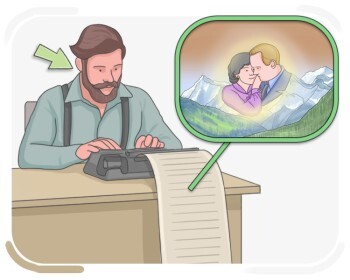
someone who writes plays for the TV, radio, or theater

Ex: The theater company invited a talented dramatist to write an original script for their upcoming production. 
Close
Sign in
to dramatize

to exaggerate the importance, danger, or emotional impact of something

Ex: Don't dramatize minor setbacks—they're not life-threatening. 
Close
Sign in
incendiary
incendiary
[Adjective]

made with the intention of causing fire
Ex: The investigation revealed that the factory fire was started by an incendiary device planted by an employee. 
Close
Sign in
to incense

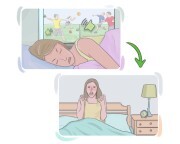
to provoke extreme anger in a person

Ex: The decision to close down the community center without prior notice incensed the local residents. 
Close
Sign in
incentive
incentive
[noun]

something that is used as an encouraging and motivating factor
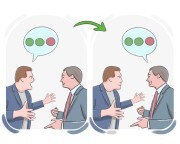
Ex: The opportunity to travel abroad was a great incentive for volunteers to participate in the program. 
Close
Sign in
verbatim
verbatim
[Adverb]

in exactly the same words as used originally

Ex: She repeated the instructions verbatim so nothing would be missed. 
Close
Sign in
verbiage
verbiage
[noun]

the unnecessary use of terms and words to express something and causing complexion
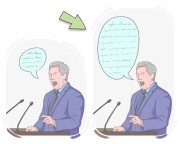
Ex: The politician's speech was filled with empty verbiage and lacked substantive content. 
Close
Sign in
verbose
verbose
[Adjective]

using or having an excessive number of words

Ex: The writer's style is known for being verbose, with long and convoluted sentences. 
Close
Sign in
verbosity
verbosity
[noun]

the quality of containing unnecessary and excessive words or terms in speech or writing

Ex: The journalist's writing was praised for its concise style, avoiding unnecessary verbosity. 
Close
Sign in
abbess
abbess
[noun]

the female head of an abbey, convent, or other religious houses of nuns
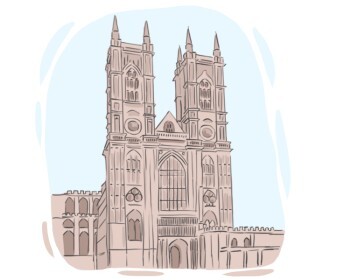
Ex: We elected Sister Margaret as our new abbess, recognizing her leadership qualities and dedication to the community. 
Close
Sign in
abbey
abbey
[noun]

a church with buildings connected to it in which a group of monks or nuns live or used to live

Ex: We visited the abbey during our vacation, marveling at its breathtaking architecture and tranquil surroundings. 
Close
Sign in
abbot
abbot
[noun]

the male spiritual leader and administrator of an abbey, monastery, or group of monasteries

Ex: Let us gather in the chapel to listen to the abbot's sermon, as his words always bring clarity and inspiration. 
Close
Sign in
palpable
palpable
[Adjective]

capable of being physically sensed

Ex: The lump on his arm was palpable, even through the fabric. 
Close
Sign in
to palpitate

(of heart) to pound irregularly and rapidly

Ex: The sound of the approaching footsteps made his heart palpitate in anticipation. 
Close
Sign in
palsy
palsy
[noun]

a condition of the muscles, in which a person experiences tremors all over their body or in specific body parts

Ex: The doctor recommended medications and physical therapy to help manage the symptoms of the palsy. 
Close
Sign in
cadence
cadence
[noun]

a sequence of musical notes or chords that marks the conclusion of a phrase, section, or entire composition

Ex: The symphony ended with a dramatic cadence in D major. 
Close
Sign in
cadenza
cadenza
[noun]

a solo section at the end of a musical piece for the performer to show their skill and creativity

Ex: The composer wrote a challenging cadenza for the soloist to demonstrate her musicality and expressiveness. 
Close
Sign in
abasement
abasement
[noun]

the act of treating someone in a demeaning way

Ex: The campaign against bullying aimed to raise awareness and prevent the abasement of vulnerable individuals. 
Close
Sign in
LanGeek
Download LanGeek app