Face2face - Upper-intermediate - Unit 8 - 8A
Here you will find the vocabulary from Unit 8 - 8A in the Face2Face Upper-Intermediate coursebook, such as "loan", "overdraw", "interest rate", etc.
Review
Flashcards
Spelling
Quiz


to spend money or resources with the intention of gaining a future advantage or return
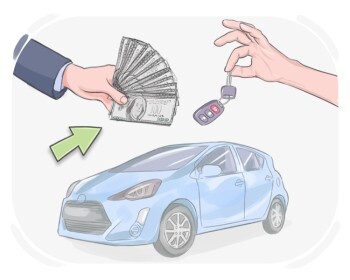
to use money in exchange for the purchase of a specific item or the utilization of a particular service
![to [be] in credit by {num}](/assets/img/no-pic-700w.png "to [be] in credit by {num}")
to have more money in one's account than what one owes or what was initially invested
to withdraw more money from a bank account than is available
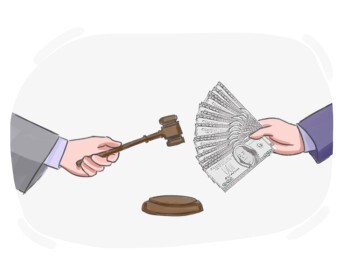
an amount of money or a favor that is owed
(of a purchase) in a way that is received immediately but paid at a later date
to give money in the form of physical currency or coins as payment for something
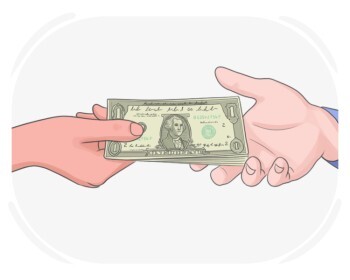
a sum of money that is borrowed from a bank which should be returned with a certain rate of interest
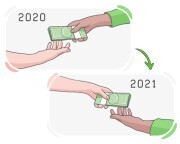
to give back the money that was borrowed or owed
a number that represents how reliable a person or company is when it comes to paying back loans, based on their past financial activity
the amount that a lender charges a borrower for the use of money, typically calculated based on the amount of the loan and the length of the borrowing period
a bank account that allows frequent deposits and withdrawals, typically using checks, with no prior notice required
a bank account that pays interest on one's deposited money and is intended to help one save over time