pattern

Interchange - Upper-intermediate - Unit 7 - Part 2

Here you will find the vocabulary from Unit 7 - Part 2 in the Interchange Upper-Intermediate coursebook, such as "vocational", "accountable", "estimate", etc.

Review

Flashcards

Forms

Spelling

Quiz
Start learning
Interchange - Upper-intermediate
to create
to create
[Verb]

to bring something into existence or make something happen
Ex: Many entrepreneurs aspire to create successful businesses. 
Close
Sign in
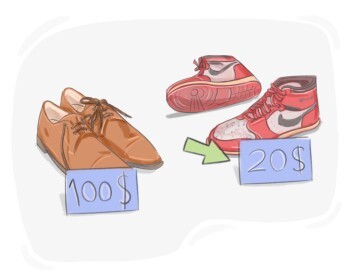
to reduce
to reduce
[Verb]

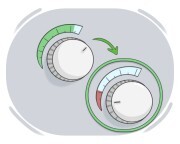
to make something smaller in amount, degree, price, etc.
Ex: The company decided to reduce the prices of its products to attract more customers. 
Close
Sign in
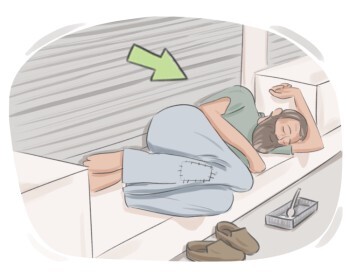
homeless
homeless
[noun]

people who lack stable housing and so live on the streets

Ex: The organization provides support services for the homeless in the area. 
Close
Sign in
to improve

to make a person or thing better

Ex: Regular exercise can improve your overall health. 
Close
Sign in
to provide

to give someone what is needed or necessary
Ex: The company will provide training for all new employees. 
Close
Sign in
affordable
affordable
[Adjective]

having a price that a person can pay without experiencing financial difficulties

Ex: The new housing development offers affordable apartments for low-income families. 
Close
Sign in
politician

someone who works in the government or a law-making organization

Ex: Many young people dream of becoming a politician. 
Close
Sign in
accountable
accountable
[Adjective]

responsible for one's actions and prepared to explain them

Ex: As a public official, she is accountable to the citizens for her decisions. 
Close
Sign in
vocational
vocational
[Adjective]

involving the necessary knowledge or skills for a certain occupation
Ex: Vocational training programs offer hands-on experience in various trades. 
Close
Sign in
to increase

to become larger in amount or size

Ex: The temperature is expected to increase throughout the day. 
Close
Sign in
shelter
shelter
[noun]

a structure offering protection and privacy from danger
Ex: The hikers found a shelter in the forest during the storm. 
Close
Sign in
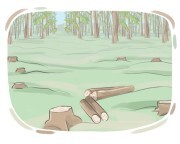
deforestation

the extensive removal of forests, typically causing environmental damage
Ex: Large-scale deforestation is driven by the demand for agricultural land. 
Close
Sign in
crime
crime
[noun]

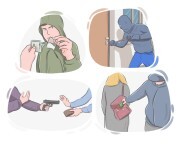
an unlawful act that is punishable by the legal system
Ex: The police are investigating the crime that occurred last night. 
Close
Sign in
mobility
mobility
[noun]

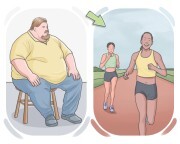
the ability to move easily or be freely moved from one place, job, etc. to another
Ex: Mobility in the workforce allows employees to find new job opportunities across industries. 
Close
Sign in
junk food
junk food
[noun]

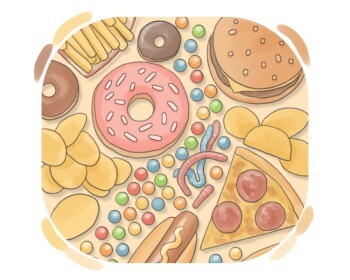
unhealthy food, containing a lot of fat, sugar, etc.

Ex: He decided to cut junk food from his diet for better health. 
Close
Sign in
invasion
invasion
[noun]

the act of invading or entering a territory, country, or region by force or without permission, often with the intent to control or dominate the area and its inhabitants
Ex: The invasion of Normandy was a turning point in World War II. 
Close
Sign in
destructive
destructive
[Adjective]

causing a lot of damage or harm

Ex: The destructive hurricane left a trail of devastation in its wake. 
Close
Sign in
planet
planet
[noun]

a huge round object that moves in an orbit, around the sun, or any other star

Ex: Jupiter is the largest planet in our solar system. 
Close
Sign in
particularly
particularly
[Adverb]

in a manner that emphasizes a specific aspect or detail
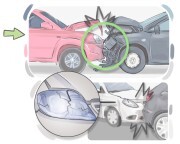
Ex: She enjoyed all genres of music, but she was particularly fond of classical compositions. 
Close
Sign in
serious
serious
[Adjective]

needing attention and action because of possible danger or risk
Ex: The doctor said the injury was serious and needed immediate surgery. 
Close
Sign in
dramatically
dramatically
[Adverb]

to a significantly large extent or by a considerable amount

Ex: The company's profits increased dramatically after the strategic changes. 
Close
Sign in
a great deal
a great deal
[phrase]

to a large extent

Ex: She cares for him a great deal, which is why she's always there when he needs her. 
Close
Sign in
ecosystem
ecosystem
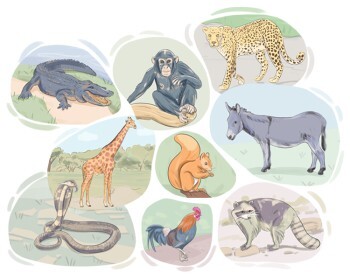
[noun]

a community of living organisms together with their physical environment, interacting as a system
Ex: Coral reefs are diverse ecosystems that support a wide range of marine life. 
Close
Sign in
against
against
[preposition]

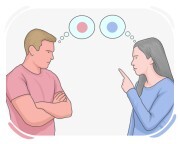
in opposition to someone or something
Ex: I decided to go against the advice of my friend. 
Close
Sign in
species
species
[noun]

a group that animals, plants, etc. of the same type which are capable of producing healthy offspring with each other are divided into
Ex: The Galapagos finches are a classic example of how different species can evolve from a common ancestor. 
Close
Sign in
to dive
to dive
[Verb]

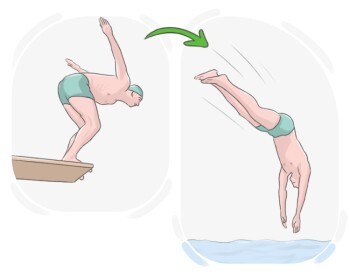
to jump into water, usually hands and head first
Ex: He is going to dive into the sea from the boat. 
Close
Sign in
to explore

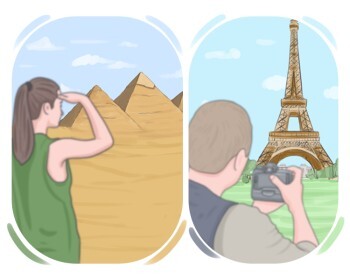
to visit places one has never seen before
Ex: She explores new neighborhoods every weekend to discover hidden gems. 
Close
Sign in
extensive
extensive
[Adjective]

covering a large area

Ex: The national park had extensive hiking trails, offering visitors the opportunity to explore diverse landscapes and ecosystems. 
Close
Sign in
coral
coral
[noun]

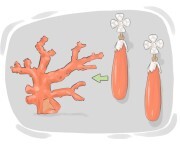
a hard, often pink or red substance produced by marine invertebrates, used in jewelry and ornaments
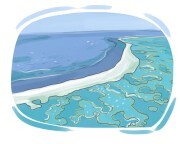
Ex: She inherited a beautiful coral from her grandmother, which had been in the family for generations. 
Close
Sign in
reef
reef
[noun]

a ridge of rock or a line of sand near the surface of a body of water

Ex: The boat sailed carefully to avoid hitting the reef. 
Close
Sign in
lionfish
lionfish
[noun]

a type of fish with long, colorful spines on its body, which is typically found in warm waters and can be dangerous to humans
Close
Sign in
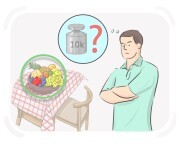
to estimate

to guess the value, number, quantity, size, etc. of something without exact calculation
Ex: I estimate that there are about 100 people at the party. 
Close
Sign in
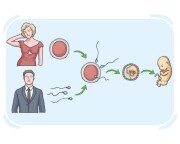
to reproduce

(of a living being) to produce offspring or more of itself
Ex: Animals reproduce by giving birth to or laying eggs that hatch into offspring. 
Close
Sign in
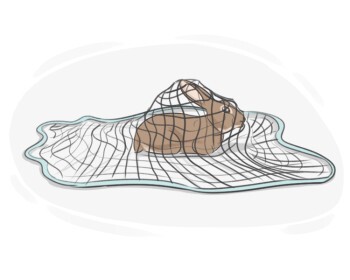
trap
trap
[noun]

an object that can be used to catch an animal

Ex: The hunter set a trap near the river. 
Close
Sign in
poison
poison
[noun]

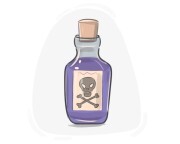
a deadly substance that can kill or seriously harm if it enters the body
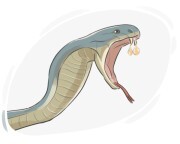
Ex: The scientist studied the effects of poison on the nervous system. 
Close
Sign in
poisonous
poisonous
[Adjective]

(of an animal or insect) producing a substance that kills or harms a prey or an enemy
Ex: Many people are afraid of the poisonous stingers of jellyfish. 
Close
Sign in
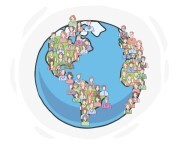
population

the number of people who live in a particular city or country
Ex: As the population ages, there will be increasing strain on healthcare systems. 
Close
Sign in
to hunt
to hunt
[Verb]

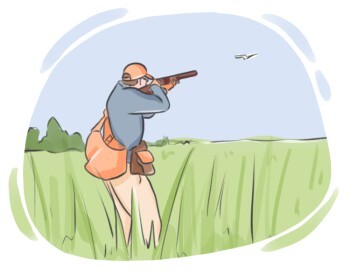
to pursue wild animals in order to kill or catch them, for sport or food
Ex: In some cultures, people still hunt for their food using traditional methods. 
Close
Sign in
sting
sting
[noun]

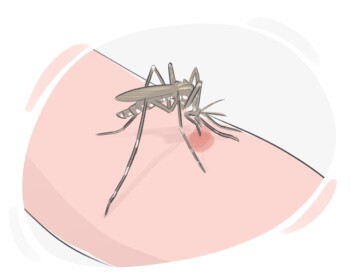
a painful infliction caused by a small sharp and pointed organ that some insects have and use to penetrate the prey and inject poison
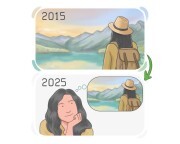
Ex: She felt a sting on her arm after the bee landed on it. 
Close
Sign in
unwelcome
unwelcome
[Adjective]

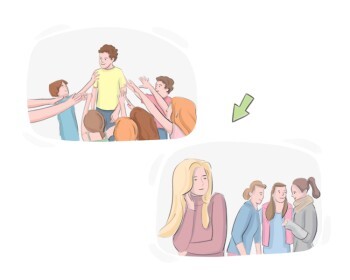
not receiving a warm or friendly reception

Close
Sign in
unforgettable
unforgettable
[Adjective]

so memorable that being forgotten is impossible
Ex: Their wedding day was an unforgettable celebration filled with love and joy. 
Close
Sign in
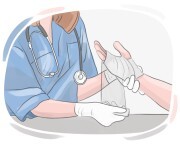
to treat
to treat
[Verb]

to provide medical care such as medicine or therapy to heal injuries, illnesses, or wounds and make someone better

Ex: First aid is administered to treat minor injuries and wounds. 
Close
Sign in
to multiply

to significantly increase in quantity
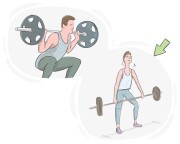
Ex: If you multiply your efforts, you will see better results. 
Close
Sign in
unable
unable
[Adjective]

being incapable of or lacking the skill, means, etc. necessary for doing something
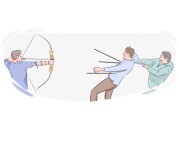
Ex: She was unable to attend the meeting due to a scheduling conflict. 
Close
Sign in
to protect

to prevent someone or something from being damaged or harmed

Ex: A majority of Democrats believe that such regulations protect the public. 
Close
Sign in
LanGeek
Download LanGeek app