
Media and Communication - Broadcasting
Here you will learn some English words related to broadcasting such as "interference", "signal", and "transmission".
Review
Flashcards
Spelling
Quiz

the electronic medium of transmitting audiovisual content to viewers
the transmission and reception of audio content through electromagnetic waves, providing a platform for delivering news, music, and other forms of entertainment to listeners
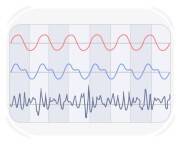
the specific number of waves that pass a point every second
radio waves used as a medium for broadcasting television and radio programs
a unit that is used to measure the frequency of a radio wave, or speed of a computer, which is equal to 1 billion Hertz
unwanted signals or electrical activity that disrupt or distort the transmission or reception of information
a radio wave with a frequency under 300 kHz and a wavelength of more than 1 kilometer that is used for broadcasting
a radio wave that has a frequency between 300 kHz and 3 MHz and a wavelength between 100 to 1000 meters, which is used for broadcasting
a radio wave that has a frequency between 3 and 30 MHz, and a wavelength between 10 to 100 meters, used for broadcasting
a unit that is used to measure the frequency of a radio wave which is equal to 1 million Hertz
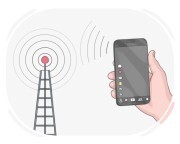
a series of electrical or radio waves carrying data to a radio, television station, or mobile phone
a recognizable signal that the radio broadcasts at a precise time to indicate the accurate time of day
a tall structure, usually made of metal, used to transmit television or radio signals
the broadcasting of a radio or television program, or a program or signal that is broadcast
a range of radio waves with a frequency between 300 MHz and 3000 MHz, especially used in broadcasting television and radio programs that are of high-quality
radio waves in the range of 30 to 300 MHz that are used in broadcasting TV signals
a series of radio waves with similar lengths used for specific types of radio broadcasting

the distance between a point on a wave of energy and a similar point on the next wave
a noise that holds numerous sound frequencies with the same strengths
the transmission of audio or video content to a large audience by radio, television, or similar media
the absence of any sound or broadcast signal on a radio or television channel, resulting in a period of silence or static noise
the quality or strength of received radio, television, or cellphone signals
a program sent out by a satellite or from the main network to radio and television stations for broadcasting
the transmission or dissemination of content to a specific and targeted audience or niche market, as opposed to broadcasting to a broad and general audience
a system by which people working in a radio station can communicate with one another without being heard by the audience
unwanted crackling or hissing noise that interferes with a radio, television, or other electronic signal
a right given to people to broadcast their own programs on television or radio channels
the licensing or distribution of television or radio programs to multiple broadcasters or stations for airing, allowing content to reach a broader audience beyond its original network or production company

a group of TV or radio stations broadcasting the same program at the same time in different places
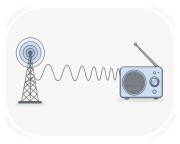
one of the main methods of radio broadcasting with a high sound quality
one of the main methods of radio broadcasting with a lower sound quality than FM
the trend of canceling traditional cable or satellite TV subscriptions in favor of streaming services or other digital media options
