pattern

Kniha Summit 1B - Jednotka 8 - Lekce 3

Zde najdete slovní zásobu z jednotky 8 - lekce 3 v učebnici Summit 1B, jako je "povolení", "zdvořilý", "frustrovat" atd.

Revize

Kartičky

tvary

Pravopis

Kvíz

Začněte se učit
Summit 1B
to expect
to expect
[sloveso]

to think or believe that it is possible for something to happen or for someone to do something

očekávat, předpokládat

očekávat, předpokládat

Ex: The weather forecast led us to expect rain this weekend. 
expectation
expectation
[Podstatné jméno]

a belief about what is likely to happen in the future, often based on previous experiences or desires

očekávání,  naděje

očekávání, naděje

Ex: Sarah had high expectations for her birthday party, but it turned out to be a small gathering with only a few friends. 
to explain
to explain
[sloveso]

to make something clear and easy to understand by giving more information about it

vysvětlit, objasnit

vysvětlit, objasnit

Ex: He explained the plot of the movie to his friend who hadn't seen it. 
explanation
explanation
[Podstatné jméno]

information or details that are given to make something clear or easier to understand

vysvětlení, objasnění

vysvětlení, objasnění

Ex: She gave a clear explanation of the new policy during the meeting. 
to frustrate
to frustrate
[sloveso]

to prevent someone from achieving success, particularly by nullifying their efforts

frustrovat, mařit

frustrovat, mařit

Ex: The last-minute rule change frustrated the team's strategy. 

Změna pravidel na poslední chvíli frustrovala týmovou strategii.

frustration
frustration
[Podstatné jméno]

the feeling of annoyance, disappointment, or discouragement caused by being unable to achieve or do something

frustrace,  zklamání

frustrace, zklamání

Ex: His frustration grew as repeated attempts failed. 
to permit
to permit
[sloveso]

to allow something or someone to do something

povolit, dovolit

povolit, dovolit

Ex: She didn't permit her children to watch the movie because it was rated R. 
permission
permission
[Podstatné jméno]

the action of allowing someone to do a particular thing or letting something happen, particularly in an official way

povolení, souhlas

povolení, souhlas

Ex: Before accessing the restricted area, employees must obtain permission from their supervisor. 
to develop
to develop
[sloveso]

to change and become stronger or more advanced

rozvíjet, vyvíjet se

rozvíjet, vyvíjet se

Ex: The child's language skills will develop as they interact with others. 
development
development
[Podstatné jméno]

a process or state in which something becomes more advanced, stronger, etc.

vývoj
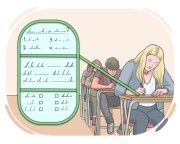
vývoj

Ex: The development of new technologies has transformed modern life. 
to involve
to involve
[sloveso]

to contain or include something as a necessary part

zahrnovat, zahrnout

zahrnovat, zahrnout

Ex: Any investment involves an element of risk. 
involvement
involvement
[Podstatné jméno]

the state of being part of something or having a connection with it

zapojení, účast

zapojení, účast

Ex: The teacher appreciated her involvement in class discussions. 
courteous
courteous
[Přídavné jméno]

behaving with politeness and respect

zdvořilý, slušný

zdvořilý, slušný

Ex: He always remains courteous, even when dealing with difficult customers. 

Vždy zůstává zdvořilý, i když jedná s obtížnými zákazníky.

courtesy
courtesy
[Podstatné jméno]

a display of good manners and polite behavior toward other people

zdvořilost
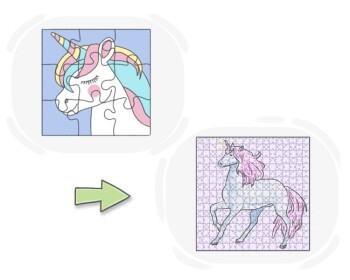
zdvořilost

Ex: She offered her seat to the older man as a courtesy. 
difficult
difficult
[Přídavné jméno]

needing a lot of work or skill to do, understand, or deal with

obtížný, náročný

obtížný, náročný

Ex: Cooking a gourmet meal from scratch can be difficult for novice chefs. 
difficulty
difficulty
[Podstatné jméno]

a challenge or circumstance, typically encountered while trying to reach a goal or finish something

obtíž,  výzva
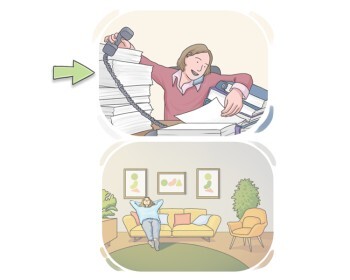
obtíž, výzva

Ex: The Smiths experienced significant financial difficulty after unexpected medical expenses depleted their savings. 
responsible
responsible
[Přídavné jméno]

(of a person) having an obligation to do something or to take care of someone or something as part of one's job or role

odpovědný

odpovědný

Ex: Drivers should be responsible for following traffic laws and ensuring road safety. 

Řidiči by měli být odpovědní za dodržování dopravních předpisů a zajištění bezpečnosti silničního provozu.

responsibility
responsibility
[Podstatné jméno]

the obligation to perform a particular duty or task that is assigned to one

odpovědnost, povinnost

odpovědnost, povinnost

Ex: She accepted the responsibility of leading the project team. 
reliable
reliable
[Přídavné jméno]

able to be trusted to perform consistently well and meet expectations

spolehlivý, důvěryhodný

spolehlivý, důvěryhodný

Ex: The reliable product has a reputation for durability and performance. 

Spolehlivý produkt má pověst trvanlivosti a výkonu.

reliability
reliability
[Podstatné jméno]

the level to which something or someone can be counted on

spolehlivost

spolehlivost

capable
capable
[Přídavné jméno]

having the ability or capacity to do something

schopný, kompetentní

schopný, kompetentní

Ex: The software is capable of handling multiple tasks at once. 

Software je schopná zvládnout více úkolů najednou.

capability
capability
[Podstatné jméno]

the ability or power to do or achieve something

schopnost, kapabilita

schopnost, kapabilita

Ex: The aircraft has the capability to operate in severe weather conditions. 
dependable
dependable
[Přídavné jméno]

able to be relied on to do what is needed or asked of

spolehlivý, důvěryhodný

spolehlivý, důvěryhodný

Ex: The dependable teacher provides consistent support and guidance to students. 

Spolehlivý učitel poskytuje studentům konzistentní podporu a vedení.

dependability
dependability
[Podstatné jméno]

the quality of being reliable and trustworthy

spolehlivost, důvěryhodnost

spolehlivost, důvěryhodnost

Ex: The dependability of the equipment was tested during the long-running experiment. 

Spolehlivost zařízení byla testována během dlouhodobého experimentu.

disabled
disabled
[Přídavné jméno]

completely or partial inability to use a part of one's body or mind, caused by an illness, injury, etc.

postižený, invalidní

postižený, invalidní

Ex: He uses a wheelchair to get around because he is disabled. 
disability
disability
[Podstatné jméno]

a physical or mental condition that makes it difficult for a person to do some activities and usually lasts for a long time

postižení,  invalidita

postižení, invalidita

Ex: Employers must not discriminate against someone because of a disability. 
fair
fair
[Přídavné jméno]

relatively large in number, amount, or size

značný, velký

značný, velký

Ex: The fair amount of rainfall this season has been beneficial for the crops. 
fairness
fairness
[Podstatné jméno]

the quality of being just or reasonable in treating people and situations

spravedlnost, nestrannost

spravedlnost, nestrannost

Ex: The politician’s stance on fairness in healthcare resonated with many voters. 

Postoj politika k spravedlnosti ve zdravotní péči rezonoval u mnoha voličů.

rebellious
rebellious
[Přídavné jméno]

(of a person) resistant to authority or control, often challenging established norms or rules

vzpurný, rebelantský

vzpurný, rebelantský

Ex: The rebellious employee pushed back against restrictive corporate policies, advocating for more flexible work arrangements. 

Vzpurný zaměstnanec se postavil proti omezujícím firemním politikám a prosazoval pružnější pracovní uspořádání.

rebelliousness
rebelliousness
[Podstatné jméno]

the act of intentionally refusing to obey social norms or authority often with a disrespectful attitude

vzpurnost, neposlušnost

vzpurnost, neposlušnost

Ex: He was punished for his rebelliousness after speaking out against the administration. 

Byl potrestán za svou vzpurnost poté, co promluvil proti vedení.

selfish
selfish
[Přídavné jméno]

always putting one's interests first and not caring about the needs or rights of others

sobecký, egoistický

sobecký, egoistický

Ex: The selfish politician prioritized their own agenda over the needs of their constituents. 

Sobecký politik upřednostnil svůj vlastní program před potřebami svých voličů.

selfishness
selfishness
[Podstatné jméno]

the quality or state of being excessively focused on oneself, one's own interests, or needs without regard for others.

sobeckost, egoismus

sobeckost, egoismus

Ex: The child’s selfishness was a cause of tension within the family. 

Sobeckost dítěte byla příčinou napětí v rodině.

strict
strict
[Přídavné jméno]

(of a person) demanding that rules or standards be obeyed and allowing little freedom or flexibility

přísný,  striktní

přísný, striktní

Ex: Their father was strict but fair. 
strictness
strictness
[Podstatné jméno]

the quality or characteristic of being uncompromising in enforcing rules, regulations, or standards

přísnost, tvrdost

přísnost, tvrdost

Ex: Some admired his strictness, while others found it intimidating. 

Někteří obdivovali jeho přísnost, zatímco jiní ji považovali za zastrašující.

generous
generous
[Přídavné jméno]

having a willingness to freely give or share something with others, without expecting anything in return

štědrý,  velkorysý

štědrý, velkorysý

Ex: They thanked her for the generous offer to pay for the repairs. 

Poděkovali jí za štědrý návrh zaplatit opravy.

generosity
generosity
[Podstatné jméno]

the quality of being kind, understanding and unselfish, especially in providing money or gifts to others

štědrost

štědrost

Ex: He was known for his generosity, often surprising friends and strangers with thoughtful gifts and acts of kindness. 

Byl známý svou štědrostí, často překvapoval přátele a neznámé lidi promyšlenými dary a činy laskavosti.
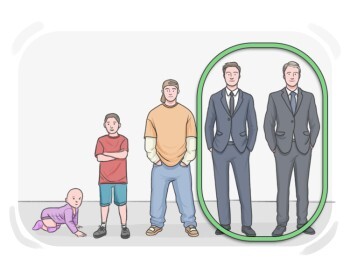
mature
mature
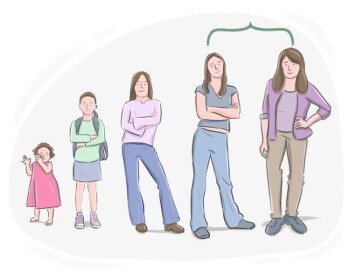
[Přídavné jméno]

having reached full physical growth or natural development

zralý,  dospělý
zralý, dospělý

Ex: Mature eagles have different plumage from younger birds. 
maturity
maturity
[Podstatné jméno]

the state of being fully grown or physically developed

zralost,  dospělost
zralost, dospělost

Ex: Different varieties of the plant reach maturity at different rates. 
mobile
mobile
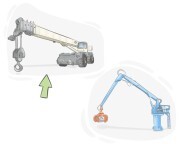
[Přídavné jméno]

able to move or be moved easily from one place to another

mobilní,  přenosný
mobilní, přenosný

Ex: Daniel bought a mobile workbench that could be moved around the garage. 
mobility
mobility
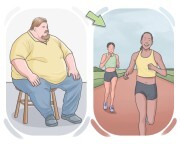
[Podstatné jméno]

the ability to move or be moved freely and easily from one place, position, job, or social situation to another

mobilita,  pohyblivost

mobilita, pohyblivost

Ex: Transferable skills give workers greater mobility within the labor market. 
secure
secure
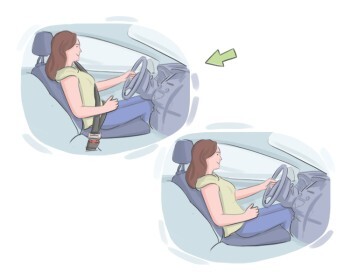
[Přídavné jméno]

protected and free from any danger or risk

bezpečný, chráněný
bezpečný, chráněný

Ex: The bank vault is highly secure, with multiple layers of security measures in place. 
security
security
[Podstatné jméno]

the state of being protected or having protection against any types of danger

bezpečnost
bezpečnost

Ex: The new alarm system improved the security of their home significantly. 
productive
productive
[Přídavné jméno]

producing desired results through effective and efficient use of time, resources, and effort

produktivní, efektivní

produktivní, efektivní

Ex: Their productive collaboration resulted in a successful project. 

Jejich produktivní spolupráce vedla k úspěšnému projektu.

productivity
productivity
[Podstatné jméno]

the ability to produce useful results efficiently, especially in relation to the time or effort used

Ex: The company introduced flexible hours to improve workplace productivity. 
important
important
[Přídavné jméno]

having a lot of value

důležitý, rozhodující

důležitý, rozhodující

Ex: Conserving water is important for the sustainable use of natural resources. 

Šetření vodou je důležité pro udržitelné využívání přírodních zdrojů.

importance
importance
[Podstatné jméno]

the quality or state of being significant or having a strong influence on something

důležitost, významnost

důležitost, významnost

Ex: The importance of education cannot be overstated in shaping a person's future. 
significant
significant
[Přídavné jméno]

important or great enough to be noticed or have an impact

významný, podstatný

významný, podstatný

Ex: The company's decision to expand into international markets was significant for its growth strategy. 

Rozhodnutí společnosti expandovat na mezinárodní trhy bylo významné pro její růstovou strategii.

significance
significance
[Podstatné jméno]

the state of being important or worthy of attention

význam, důležitost
význam, důležitost

Ex: The significance of her research cannot be understated in the field of medicine. 
independent
independent
[Přídavné jméno]

able to do things as one wants without needing help from others

nezávislý

nezávislý

Ex: She's an independent woman, capable of making her own decisions and taking care of herself. 
independence
independence
[Podstatné jméno]

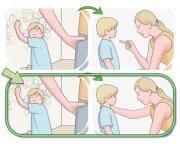
the state of being free from the control of others

nezávislost, autonomie
nezávislost, autonomie

Ex: The country gained its independence after years of colonial rule. 
lenient
lenient
[Přídavné jméno]

(of a person) tolerant, flexible, or relaxed in enforcing rules or standards, often forgiving and understanding toward others

shovívavý, flexibilní

shovívavý, flexibilní

Ex: In contrast to his strict predecessor, the new manager took a lenient approach to employee tardiness, focusing more on productivity than punctuality. 

Na rozdíl od svého přísného předchůdce nový manažer zaujal shovívavý přístup k zpoždění zaměstnanců, zaměřující se více na produktivitu než na dochvilnost.

lenience
lenience
[Podstatné jméno]

the state of being patient and merciful

shovívavost, milosrdenství

shovívavost, milosrdenství

Ex: She was grateful for her manager’s lenience on the project deadline. 

Byla vděčná za shovívavost svého manažera ohledně termínu projektu.
obedient
obedient
[Přídavné jméno]

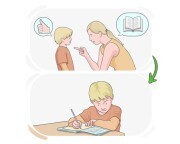
willing to follow rules or commands without resistance or hesitation

poslušný, krotký

poslušný, krotký

Ex: The obedient servant carried out his master's requests without hesitation. 

Poslušný sluha vyplnil přání svého pána bez váhání.

obedience
obedience
[Podstatné jméno]

the action of respecting or following the instructions of someone in authority

poslušnost, podřízenost

poslušnost, podřízenost

Ex: The monks took vows of poverty, chastity, and obedience to their abbot. 

Mniši složili sliby chudoby, čistoty a poslušnosti vůči svému opatovi.

to depend
to depend
[sloveso]

to be based on or related with different things that are possible

záviset, být založen na

záviset, být založen na

Ex: The success of the project depends heavily on effective communication among team members. 
dependence
dependence
[Podstatné jméno]

the state of relying on someone or something for support, functioning, or continued existence

závislost,  závislost na

závislost, závislost na

Ex: Young children naturally have a strong dependence on adults for care and protection. 
dependency
dependency
[Podstatné jméno]

a situation in which someone or something depends on another for support, survival, or function

závislost, podřízenost

závislost, podřízenost

Ex: Her emotional dependency was apparent in every decision she made, always seeking validation from her partner. 

Její emocionální závislost byla zřejmá v každém rozhodnutí, které učinila, vždy hledala potvrzení od svého partnera.

to confide
to confide
[sloveso]

to share personal thoughts, feelings, or information with someone in private

důvěřovat, svěřit se

důvěřovat, svěřit se

Ex: She confides in her sister about personal matters. 

Svěřuje se své sestře s osobními záležitostmi.

confident
confident
[Přídavné jméno]

having a strong belief in one's abilities or qualities

sebevědomý,  jistý

sebevědomý, jistý

Ex: The teacher was confident about her students' progress. 

Učitel byl přesvědčen o pokroku svých studentů.
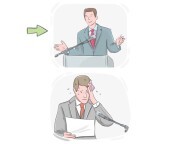
confidently
confidently
[Příslovce]

in a manner that shows strong belief in one's own skills or qualities

sebevědomě, s jistotou

sebevědomě, s jistotou

Ex: I confidently answered the question, knowing I was correct. 

Na otázku jsem odpověděl sebevědomě, protože jsem věděl, že mám pravdu.

to consider
to consider
[sloveso]

to think about or be influenced by other people's feelings before making a decision

zvážit, vzít v úvahu

zvážit, vzít v úvahu

Ex: Let's consider the feelings of our customers when making this decision. 
considerate
considerate
[Přídavné jméno]

thoughtful of others and their feelings

ohleduplný, pozorný

ohleduplný, pozorný

Ex: In a considerate act of kindness, the student shared his notes with a classmate who had missed a lecture due to illness. 

V ohleduplném aktu laskavosti student sdílel své poznámky se spolužákem, který zmeškal přednášku kvůli nemoci.

considerately
considerately
[Příslovce]

in a manner that shows one cares about feelings, needs, or rights of other people

ohleduplně, uvažlivě

ohleduplně, uvažlivě

Ex: She stepped aside considerately to let others pass. 

Ohleduplně ustoupila stranou, aby nechala ostatní projít.

to differentiate

to recognize the difference present between two people or things

rozlišovat, odlišit

rozlišovat, odlišit

Ex: The teacher helps her students differentiate between similar-sounding words by highlighting their distinct meanings and usage. 
different
different
[Přídavné jméno]

not like another thing or person in form, quality, nature, etc.

jiný

jiný

Ex: The book had a different ending than she expected. 
difference
difference
[Podstatné jméno]

the way that two or more people or things are different from each other

rozdíl

rozdíl

Ex: Can you explain the difference between these two models of smartphones? 
differentiation
differentiation
[Podstatné jméno]

the act of setting someone or something apart from the others based on their individual traits

diferenciace

diferenciace

Ex: Social differentiation leads to varying levels of status and privilege in society. 

Sociální diferenciace vede k různým úrovním postavení a privilegií ve společnosti.
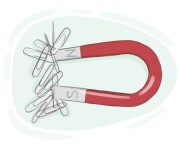
to attract
to attract
[sloveso]

to interest and draw someone or something toward oneself through specific features or qualities

přitahovat, lákat

přitahovat, lákat

Ex: The vibrant colors of the flowers attracted butterflies to the garden. 
attractive
attractive
[Přídavné jméno]

having features or characteristics that are pleasing

přitažlivý, okouzlující

přitažlivý, okouzlující

Ex: The professor is not only knowledgeable but also has an attractive way of presenting complex ideas. 

Profesor je nejen znalý, ale má také přitažlivý způsob prezentace složitých myšlenek.

attraction
attraction
[Podstatné jméno]

a quality or feature that makes someone or something interesting, appealing, or desirable
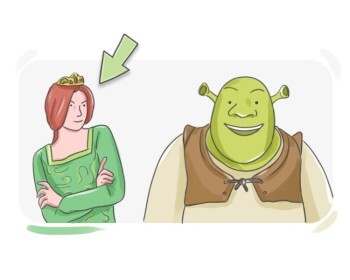
Ex: The possibility of working abroad added to the attraction of the position. 
attractiveness
attractiveness
[Podstatné jméno]

the quality of being sexually appealing

přitažlivost, sexappeal

přitažlivost, sexappeal

Ex: His attractiveness was overshadowed by his rude behavior. 

Jeho přitažlivost byla zastíněna jeho hrubým chováním.

impatient
impatient
[Přídavné jméno]

unable to wait calmly for something or someone, often feeling irritated or frustrated

netrpělivý, uspěchaný

netrpělivý, uspěchaný

Ex: He’s always impatient when it comes to slow internet connections. 

Je vždy netrpělivý, když přijde na pomalé internetové připojení.

impatiently
impatiently
[Příslovce]

in a manner that shows eagerness or restlessness for something to happen quickly

netrpělivě

netrpělivě

Ex: We stared impatiently at the oven, willing the cookies to finish baking. 

Zírali jsme netrpělivě na troubu a přáli si, aby sušenky dopekly.

impatience
impatience
[Podstatné jméno]

the feeling of being extremely annoyed by things not happening in their due time

netrpělivost

netrpělivost

Ex: He couldn’t control his impatience, so he left early. 

Nedokázal ovládat svou netrpělivost, takže odešel brzy.
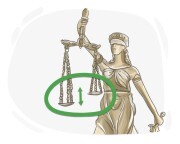
unfair
unfair
[Přídavné jméno]

not fair, just, or reasonable in the way someone is treated or something is decided

nespravedlivý,  nefér

nespravedlivý, nefér

Ex: She criticized the system for being unfair to low-income families. 
unfairness
unfairness
[Podstatné jméno]

a situation or treatment that is not just or impartial and that puts someone at a disadvantage

nespravedlnost

nespravedlnost

Ex: He recognized the unfairness of the rule and spoke out. 

Uznal nespravedlnost pravidla a promluvil.

unfairly
unfairly
[Příslovce]

in a way that lacks justice or equality

nespravedlivě, nepoctivě

nespravedlivě, nepoctivě

Ex: They argued that the law unfairly targets certain groups in society. 

Tvrdili, že zákon nespravedlivě cílí na určité skupiny ve společnosti.

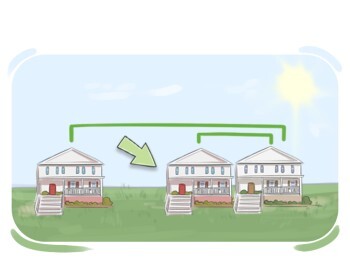
closeness
closeness
[Podstatné jméno]

the state of being near to something in terms of distance or time

blízkost, sousedství

blízkost, sousedství

Ex: Closeness in time made it difficult to finish all the tasks. 

Blízkost v čase ztěžovala dokončení všech úkolů.
closely
closely
[Příslovce]

without having a lot of space or time in between

těsně,  blízko

těsně, blízko

Ex: The trees along the path were planted closely, forming a natural canopy. 

Stromy podél cesty byly vysazeny blízko sebe a vytvořily přirozený baldachýn.

close
close
[Přídavné jméno]

sharing a strong and intimate bond

blízký,  důvěrný

blízký, důvěrný

Ex: They have a close friendship that has lasted for years. 
happily
happily
[Příslovce]

with cheerfulness and joy

radostně, šťastně

radostně, šťastně

Ex: They chatted happily over coffee like old friends. 

Povídali si radostně u kávy jako staří přátelé.

happy
happy
[Přídavné jméno]

emotionally feeling good or glad

šťastný,spokojený, feeling good or glad

šťastný,spokojený, feeling good or glad

Ex: He was happy when he got the job he had been hoping for. 
happiness
happiness
[Podstatné jméno]

the feeling or state of being happy

štěstí

štěstí

Ex: Their new home has brought them a sense of happiness and security. 
LanGeek
Stáhnout aplikaci LanGeek