
Kniha Insight - Předstředně pokročilý - Jednotka 2 - 2A
Zde najdete slovní zásobu z Jednotky 2 - 2A v učebnici Insight Pre-Intermediate, jako "farmář", "opuštěný", "přeplnit", atd.
Revize
Kartičky
Pravopis
Kvíz

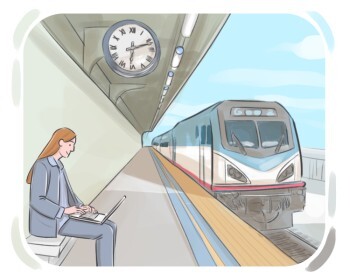
a place designed for goods or passengers to get on or off trains

železniční stanice, nádraží
Po zakoupení jízdenky na nádraží našli svou platformu a usadili se na cestu.
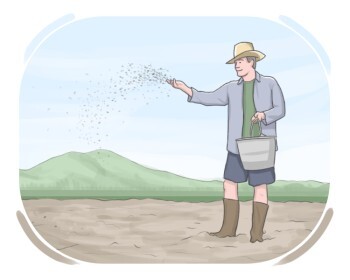
someone who has a farm or manages a farm
zemědělec, farmář
Farmář vstává brzy, aby podojil krávy.
a person who works in a mine, extracting minerals, coal, or other valuable materials from the earth
horník, důlní dělník
Uhelní horníci pracují v nebezpečných podmínkách.
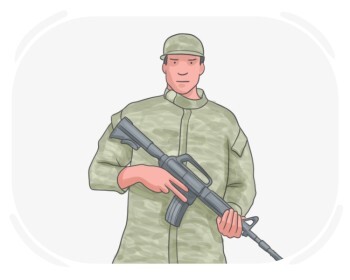
someone who serves in an army, particularly a person who is not an officer
voják, vojenský
Voják si vyleštil boty, až se leskly.

a person who does or is involved in an illegal activity
zločinec, kriminálník
Zločinec se přiznal k okradení banky.

people who are involved in commercial or industrial activities, such as buying, selling, or managing a company
podnikatelé, obchodníci
Zkušení podnikatelé chápou rizika investování.
someone who works on or with trains and the railway system
železničář, zaměstnanec dráhy
Mladí rekruti byli vycvičeni pod zkušeným železničářem.
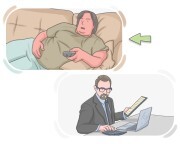
the state of being without a job
nezaměstnanost, bez práce
Mnoho lidí čelilo dlouhodobé nezaměstnanosti během globální finanční krize.
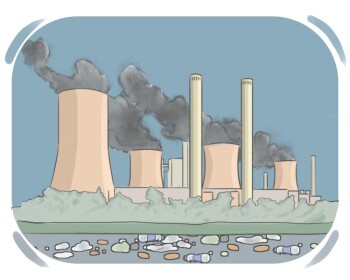
a change in water, air, etc. that makes it harmful or dangerous
znečištění, kontaminace
Znečištění způsobené plastovým odpadem je rostoucí environmentální krize.
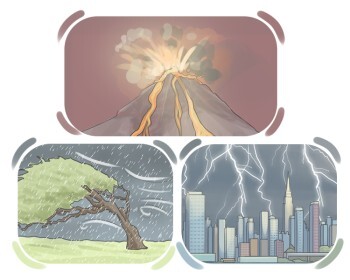
any destruction caused by the nature that results in a great amount of damage or the death of many, such as an earthquake, flood, etc.
přírodní katastrofa, živelní pohroma
Tsunami byla jednou z nejničivějších přírodních katastrof v zaznamenané historii.
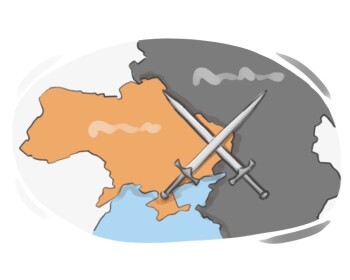
a state of armed fighting between two or more groups, nations, or states
válka
Diplomaté obou národů neúnavně pracovali na vyjednání mírové smlouvy, která by ukončila válku.
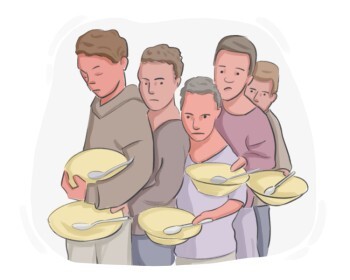
a situation where there is not enough food that causes hunger and death
hladomor, nedostatek potravin
Hladomor způsobil velké utrpení mezi obyvatelstvem.
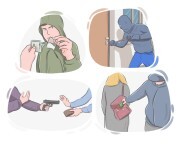
an unlawful act that is punishable by the legal system
zločin, trestný čin
Nárůst násilné kriminality způsobil, že se obyvatelé cítí nejistě.
to be filled with more people or things than is comfortable, safe, or desirable
přeplnit, zahlcovat
Výtahy mají tendenci přeplňovat se během ranního dojíždění.
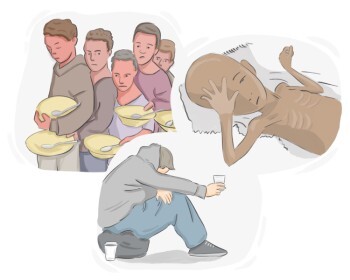
the condition of lacking enough money or income to afford basic needs like food, clothing, etc.
chudoba
Dobročinná organizace se zaměřuje na poskytování potravin a přístřeší těm, kteří žijí v chudobě.
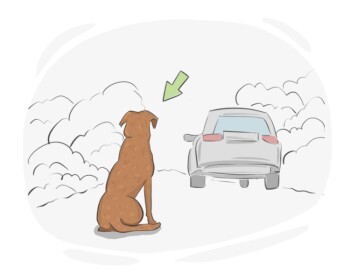
(of a person or thing) having been left alone or abandoned by others
opuštěný, opuštěný
Stál na letišti, opuštěný přítelem, který slíbil, že ho vyzvedne.
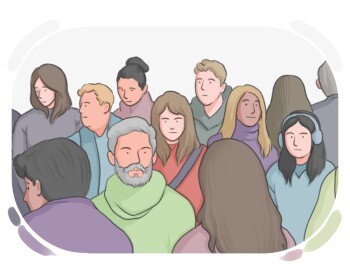
(of a space) filled with things or people
přeplněný, nacpaný
Přeplněný autobus měl zpoždění kvůli hustému provozu.
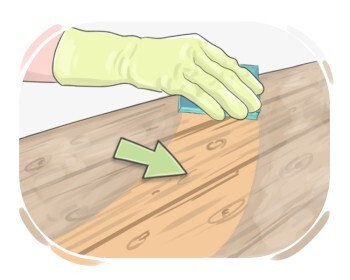
not having any bacteria, marks, or dirt
čistý, sterilní
Hotelový pokoj byl čistý a bez poskvrny.

having stains, bacteria, marks, or dirt
špinavý, znečištěný
Špinavé nádobí v restaurační kuchyni potřebovalo umýt.
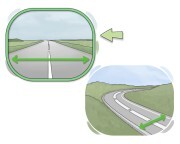
having a large length from side to side
široký, rozlehlý
Řeka byla na svém nejširším místě více než 30 stop široká, což ztěžovalo přechod bez mostu.
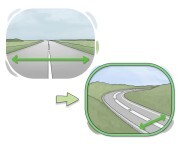
having a limited distance between opposite sides
úzký, těsný
Úzká stezka se vinula hustým lesem, sotva dost široká na to, aby jí prošel jeden člověk.
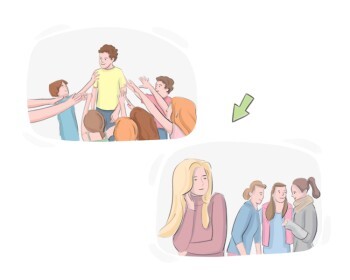
not liked or approved of by a large number of people
nepopulární
Nová politika zavedená společností byla mezi zaměstnanci neoblíbená.
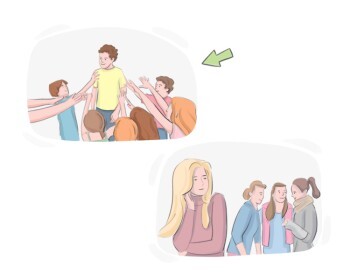
receiving a lot of love and attention from many people
populární, milovaný
The Beatles zůstávají populární kapelou, dokonce i desetiletí po prvním vydání jejich hudby.
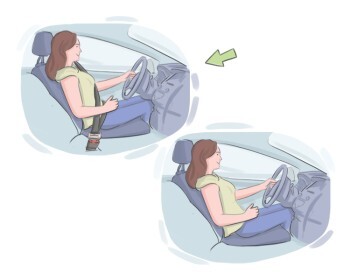
protected from any danger
bezpečný, chráněný
Poté, co bouře přešla, cítili se v bezpečí, aby se vrátili do svých domovů a posoudili škody.
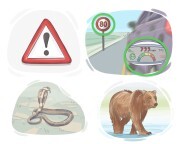
capable of destroying or causing harm to a person or thing
nebezpečný
Horská stezka je kluzká a považuje se za nebezpečnou.

with little or no noise
tichý, klidný
Les byl tichý, jen občasné ptačí zpěvy přerušovaly ticho.
(of a place or atmosphere) full of excitement and energy
živý, energický
Dětský smích naplnil vzduch a park se zdál živý.
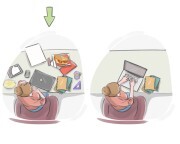
lacking orderliness or cleanliness
nepořádný, chaotický
Staveniště bylo nepořádné, s hromadami sutin a vybavením rozházenými kolem.

having a clean and well-organized appearance and state
uklizený, uspořádaný
Vždy měla svou kabelku upravenou, s věcmi úhledně uspořádanými a snadno přístupnými.
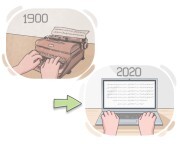
related to the most recent time or to the present time
moderní, současný
Jeho výzkum se zaměřuje na moderní historii, zejména na události 21. století.
of a particular age
starý, věkovitý
Je jí padesát let a stále běhá maratony.

a specific location on the earth's surface, often used in mapping
místo, poloha
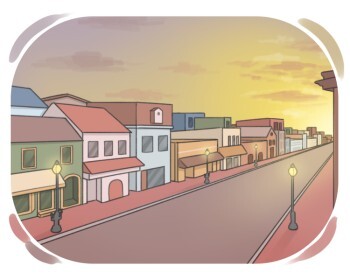
an area with human population that is smaller than a city and larger than a village
město, vesnice
Bydlím v malém městečku obklopeném krásným venkovem.
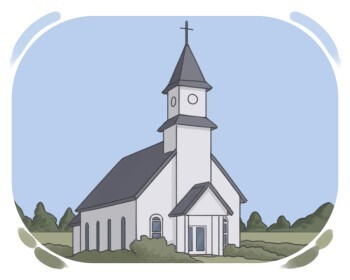
a building where Christians go to worship and practice their religion
kostel
Zúčastnili se nedělní bohoslužby v místním kostele se svou rodinou.

a public place where people buy and sell groceries
trh, tržiště
Postavil stánek na trhu, aby prodával domácí džemy a konzervy.

an educational institution at the highest level, where we can study for a degree or do research
univerzita
Příští rok absolvuji univerzitu s titulem v psychologii.
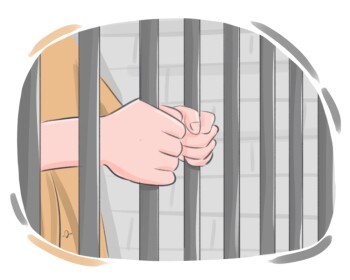
a building where people who did something illegal, such as stealing, murder, etc., are kept as a punishment
vězení, nápravné zařízení
Psala dopisy své rodině z vězení, ve kterých vyjadřovala svou lásku a touhu po nich.

a large building where sick or injured people receive medical treatment and care
nemocnice
Navštívil jsem svého přítele v nemocnici a přinesl mu nějaké květiny.

a place, usually a building, with a stage where plays and shows are performed
divadlo, představení sál
Máme lístky na nový muzikál v divadle.
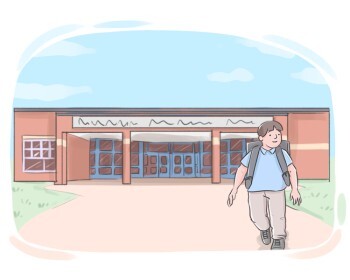
a place where children learn things from teachers
škola, vzdělávací zařízení
Zapomněl si domácí úkol a musel se rychle vrátit do školy, aby si ho vzal.

a place where people play and bet their money on gambling games
kasino, herný dům
Kasino hostilo speciální akci s živou hudbou a zábavou.
the track or line on which an electric vehicle called a tram moves
tramvajová trať, tramvajová kolej
Tramvajová trať spojuje hlavní turistické atrakce.
related to the study or characteristics of the Earth's surface, including its features, landscapes, and locations
geografický, vztahující se k geografii
Geografické rysy regionu ovlivňují jeho ekonomické aktivity a kulturní praktiky.
an important or distinctive aspect of something
vlastnost, funkce
Nový smartphone se pyšní vysokorozlišovací obrazovkou jako svou hlavní vlastností.
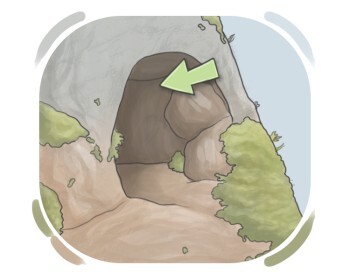
a hole or chamber formed underground naturally by rocks gradually breaking down over time
jeskyně, sluj
Nadšenci jeskynního potápění se odvážně vydávají do hlubin podvodních jeskyní, proplouvají úzkými průchody a prozkoumávají ponořené komory.
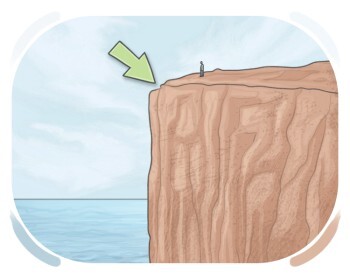
an area of rock that is high above the ground with a very steep side, often at the edge of the sea
útes, propast
Ptáci si postavili svá hnízda podél strmé stěny útesu.
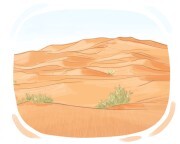
a large, dry area of land with very few plants, typically one covered with sand
poušť, sahara
Ztratili se při jízdě přes poušť.
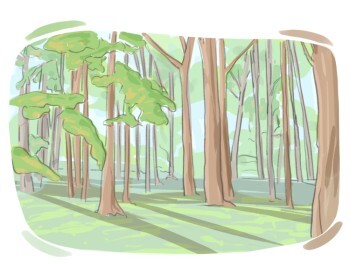
a vast area of land that is covered with trees and shrubs
les
Šli jsme na procházku do lesa, obklopeni vysokými stromy a zpěvem ptáků.

a naturally raised area of land that is higher than the land around it, often with a round shape
kopec, vršek
Kopec poskytoval přirozenou hranici mezi dvěma městy.
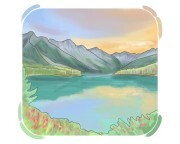
a large area of water, surrounded by land
jezero
Měli piknik u jezera.
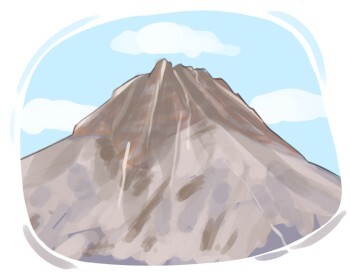
a very tall and large natural structure that looks like a huge hill with a pointed top that is often covered in snow
hora, vrchol
Vystoupali jsme na horu a užili si dechberoucí výhled z vrcholu.
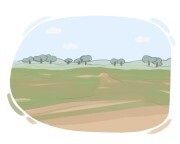
a vast area of flat land
pláň, rovina
Během své expedice průzkumníci překročili rozsáhlou pláň, která se zdála být nekonečná.
a hill of sand built by wind or water flow
písečná duna, duna
Písečná duna poskytovala úkryt před větrem.

the salt water that covers most of the earth’s surface and surrounds its continents and islands
moře
Slyším zvuk racků u moře.
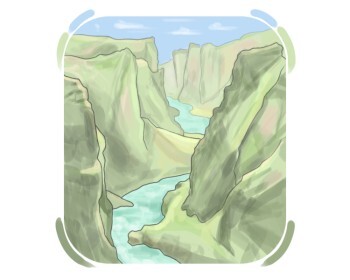
a low area of land between mountains or hills, often with a river flowing through it
údolí, dolina
Prošli údolím, aby dosáhli jezera.
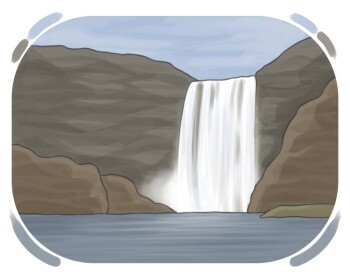
a high place, such as a cliff, from which a river or stream falls
vodopád, kaskáda
Byl okouzlen čistou silou a krásou řvoucího vodopádu.
