pattern

Seznam Slovíček Úrovně B2 - Vědecký Výzkum

Zde se naučíte některá anglická slova o vědeckém výzkumu, jako je "popisný", "klasifikovat", "citovat" atd., připravená pro studenty úrovně B2.

Revize

Kartičky

tvary

Pravopis

Kvíz

Začněte se učit
CEFR B2 Vocabulary
analytical
analytical
[Přídavné jméno]

describing a method for understanding things through the use of logic and detailed thinking

analytický

analytický

Ex: An analytical essay critically examines a topic by presenting evidence and logical arguments. 

Analytický kriticky zkoumá téma předkládáním důkazů a logických argumentů.
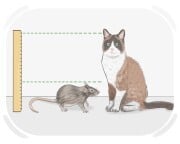
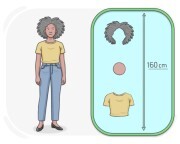
comparative
comparative
[Přídavné jméno]

involving the examination of similarities and differences between two or more things

srovnávací,  komparativní
srovnávací, komparativní

Ex: The book offers a comparative overview of ancient legal systems. 
descriptive
descriptive
[Přídavné jméno]

providing detailed information about how something looks, feels, sounds, or behaves

popisný,  podrobný

popisný, podrobný

Ex: The descriptive labels on the products helped customers make informed choices. 

Popisné štítky na produktech pomohly zákazníkům činit informovaná rozhodnutí.
to cite
to cite
[sloveso]

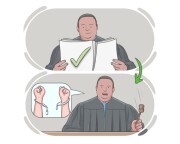
to mention something as an example, reason, or evidence in support of a statement or argument

citovat, uvádět

citovat, uvádět

Ex: Critics often cite this case as an example of poor management. 
to classify
to classify
[sloveso]

to arrange people or things into groups according to shared characteristics or qualities

Ex: Daniel found it difficult to classify the unusual plant. 
to compile
to compile
[sloveso]

to collect and organize information or material for a particular purpose

shromáždit,  sestavit

shromáždit, sestavit

Ex: We are compiling names and contact details for the mailing list. 
to conduct
to conduct
[sloveso]

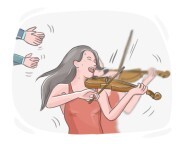
to direct or participate in the management, organization, or execution of something

vést, provádět
vést, provádět

Ex: The experienced project manager will conduct the team in implementing the new software. 
to demonstrate

to show clearly that something is true or exists by providing proof or evidence

demonstrovat, dokázat

demonstrovat, dokázat

Ex: The scientist demonstrated the effectiveness of the new drug through a series of experiments. 
to derive
to derive
[sloveso]

to figure out or establish something through logical analysis or reasoning

odvodit, stanovit
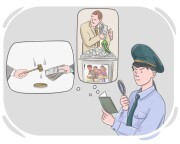
odvodit, stanovit

Ex: Scientists derive the laws of physics through rigorous experimentation and mathematical analysis. 
to detect
to detect
[sloveso]

to notice or discover something that is difficult to find

detekovat, objevit

detekovat, objevit

Ex: The security system is designed to detect unauthorized access to the building. 
to document
to document
[sloveso]

to support an argument, claim, etc. by providing facts and evidence

dokumentovat, doložit
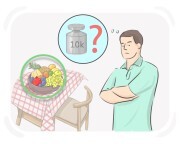
dokumentovat, doložit

Ex: The lawyer documented her arguments with relevant case law and statutes. 
to estimate
to estimate
[sloveso]

to guess the value, number, quantity, size, etc. of something without exact calculation

odhadnout, posoudit

odhadnout, posoudit

Ex: I estimate that there are about 100 people at the party. 
to evaluate
to evaluate
[sloveso]

to judge the quality, importance, value, or effectiveness of someone or something

hodnotit,  posoudit

hodnotit, posoudit

Ex: Daniel carefully evaluated his options before accepting the offer. 
to imply
to imply
[sloveso]

to suggest that one thing is the logical consequence of the other

naznačovat, implikovat

naznačovat, implikovat

Ex: The dark clouds imply that it might rain later today. 
to interpret
to interpret
[sloveso]

to explain what something means

interpretovat, vysvětlit

interpretovat, vysvětlit

Ex: The guide interpreted the symbols carved into the stone. 
to observe
to observe
[sloveso]

to carefully watch something in order gain knowledge or understanding about the subject

pozorovat, zkoumat

pozorovat, zkoumat

Ex: Scientists observe the behavior of animals in their natural habitats. 
to outline
to outline
[sloveso]

to give a brief description of something excluding the details

nastínit, stručně popsat

nastínit, stručně popsat

Ex: Before writing the essay, the student outlined the main ideas to organize the structure. 
to survey
to survey
[sloveso]

to collect information about a subject from a group of people by asking them questions

dotazovat se, zkoumat

dotazovat se, zkoumat

Ex: The researchers surveyed hundreds of college students. 
case study
case study
[Podstatné jméno]

a recorded analysis of a person, group, event or situation over a length of time

případová studie, studie případu

případová studie, studie případu

Ex: The environmentalist conducted a case study on the effects of deforestation on local wildlife populations. 

Ekolog provedl případovou studii o účincích odlesňování na místní populace volně žijících živočichů.

chart
chart
[Podstatné jméno]

an information sheet in the form of a graph, diagram, or table that is easy to understand

graf, tabulka
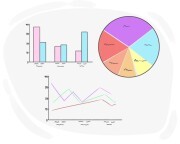
graf, tabulka

Ex: The chart displayed the company's sales performance over the last quarter. 
diagram
diagram
[Podstatné jméno]

a simplified drawing or plan used to show the parts, structure, operation, or relationships of something

diagram

diagram

Ex: The report contains a diagram showing the structure of the organization. 
document
document
[Podstatné jméno]

a computer file, book, piece of paper etc. that is used as evidence or a source of information

dokument, soubor

dokument, soubor

Ex: The historian discovered an ancient document that shed light on a lost civilization. 
evaluation
evaluation
[Podstatné jméno]

a judgment on the quantity and quality of something after careful consideration

hodnocení

hodnocení

Ex: The evaluation of the project's success will be based on the achievement of key performance indicators. 
hypothesis
hypothesis
[Podstatné jméno]

a proposed explanation for a situation or set of facts that has not yet been proved

hypotéza,  domněnka

hypotéza, domněnka

Ex: He proposed a hypothesis to explain the unusual pattern. 
experiment
experiment
[Podstatné jméno]

a test done to prove the truthfulness of a hypothesis

pokus
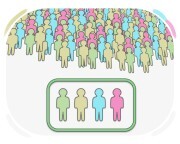
pokus

Ex: The scientists conducted an experiment to test their new hypothesis. 
sample
sample
[Podstatné jméno]

a randomly selected part of a larger group, put to study in order to gain knowledge or to draw conclusions about the larger group

vzorek, příklad

vzorek, příklad

Ex: The survey included a random sample of 500 households to gather opinions on local transportation issues. 
variable
variable
[Podstatné jméno]

something that is subject to change and can affect the result of a situation

proměnná, proměnný faktor

proměnná, proměnný faktor

Ex: Cost is an important variable when choosing a new car. 
instrument
instrument
[Podstatné jméno]

a device or tool that requires specific knowledge on how to be used

nástroj, přístroj

nástroj, přístroj

Ex: The scientist used a complex instrument to measure the chemical reactions accurately. 
questionnaire
questionnaire
[Podstatné jméno]

a written or online set of questions used to collect information from people

dotazník,  anketa

dotazník, anketa

Ex: The school asked parents to fill out a short questionnaire about transportation. 
reference
reference
[Podstatné jméno]

a short note in a book giving information about the source of its subject

odkaz, poznámka odkazu

odkaz, poznámka odkazu

Ex: At the end of the chapter, the author included a reference to the original research study. 
trial
trial
[Podstatné jméno]

a process conducted in order to decide on how effective, safe, etc. someone or something is

zkouška

zkouška

Ex: The trial was designed to evaluate the new drug's effectiveness. 
trial and error

the process of testing a method, an idea, etc. in several ways to achieve the desired outcome

Ex: The team improved the design by trial and error. 
finding
finding
[Podstatné jméno]

a piece of information discovered as a result of a research

nález, objev

nález, objev

Ex: The scientist's finding revealed a new way to treat the disease. 
law
law
[Podstatné jméno]

a scientific principle or rule that describes something scientific or natural always being the same or occurring in the same way, given specific conditions are met

zákon, vědecký princip

zákon, vědecký princip

Ex: Boyle's law describes the relationship between pressure and volume in a gas. 
model
model
[Podstatné jméno]

a description of a process or system that is simplified to demonstrate how it works under specific circumstances, especially in mathematics

model, schéma
model, schéma

Ex: The economic model helped analysts understand how changes in tax rates might affect the overall economy. 
principle
principle
[Podstatné jméno]

a fundamental rule that is considered to be true and can serve as a basis for further reasoning or behavior

princip

princip

Ex: The scientific method is based on the principle of empirical evidence. 
procedure
procedure
[Podstatné jméno]

a particular set of actions conducted in a certain way

procedura, metoda
procedura, metoda

Ex: The technician followed a detailed procedure to calibrate the equipment accurately. 
proof
proof
[Podstatné jméno]

evidence that establishes or strongly demonstrates that something is true or exists

důkaz,  důkazní materiál

důkaz, důkazní materiál

Ex: You may need to show proof of identity at the front desk. 
LanGeek
Stáhnout aplikaci LanGeek