
Le livre English File - Avancé - Leçon 5A
Ici, vous trouverez le vocabulaire de la leçon 5A du manuel English File Advanced, comme "spare", "time-consuming", "take up", etc.
Réviser
Flashcards
Orthographe
Quiz
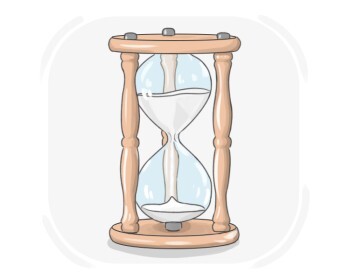
the quantity that is measured in seconds, minutes, hours, etc. using a device like clock

heure

to use something without care or more than needed
gaspiller, gâcher

to keep something from being used or wasted, particularly so that it can be used or enjoyed in the right time in the future
économiser
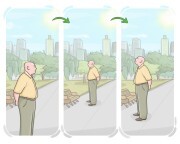
to pass time in a particular manner or in a certain place
passer, occuper
to need a significant amount of time to be able to happen, be completed, or achieved
![to [make] up for lost time](https://cdn.langeek.co/photo/43212/thumb/350?type=jpeg "to [make] up for lost time")
to enjoy an experience as much as one can, due to the lack of previous opportunity
rattraper le temps perdu, profiter à fond pour se rattraper
Les enfants étaient restés enfermés toute la semaine, alors ils se sont bien rattrapés au parc.
![to [give] {sb} a (hard|tough|rough) time](https://cdn.langeek.co/photo/42588/thumb/350?type=jpeg "to [give] {sb} a (hard|tough|rough) time")
to tease, criticize, or treat someone harshly
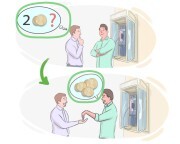
to give someone something that one has enough of
donner

to occupy a particular amount of space or time
prendre
Le nouveau projet a occupé une partie importante de leur emploi du temps.
to have enough free time available to do something
to reach the point when there is no more time available to complete a task or achieve a goal
![to [play] for time](https://cdn.langeek.co/photo/44262/thumb/350?type=jpeg "to [play] for time")
to try to delay the occurrence of something so that one can prevent it from happening or have more time to properly prepare for it
gagner du temps, temporiser
Elle a posé une série de questions pour gagner du temps avant de répondre.
expressing the exact time when something happens
à
Le rendez-vous chez le médecin est à 11h20.
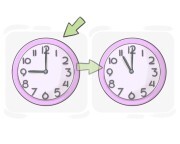
at an earlier point in time
avant
Elle avait travaillé dans ce département auparavant.
at a later stage or point in time than expected or planned
en retard
L'équipe est en retard sur ses missions cette semaine.
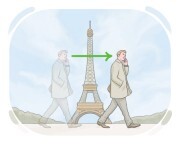
used to refer to moving past or alongside something or someone
devant
Il est passé près sans dire un mot.
used for showing the time when something begins to happen or exist
à partir de
Dès le moment où je l'ai vue, j'ai su que c'était elle.
used to state how long it will be until something happens
en, dans, à
Le bus devrait arriver dans dix minutes.
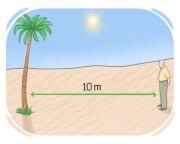
at or to a certain distance away in physical space
de
Leur cottage est juste à une courte marche à l'écart du lac.
used to show a day or date
sur
Le musée ouvre le 1er mai.
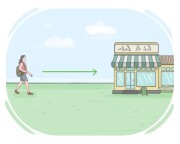
used to say where someone or something goes
à
before the deadline or scheduled time, with an excess amount of time available
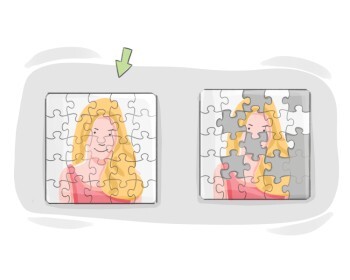
used to indicate that the time given for a task or activity has ended and that no more time is available to complete it
to not have enough of something
![to [have] time on {one's} hands](https://cdn.langeek.co/photo/44116/thumb/350?type=jpeg "to [have] time on {one's} hands")
to not be busy with anything
avoir du temps libre, n'avoir rien à faire
Elle a trop de temps libre et n'arrête pas de déplacer les meubles.

for a limited period, usually until a certain condition changes
pour le moment, pour l'instant
Elle sert pour le moment de gestionnaire intérimaire jusqu'à ce qu'un remplaçant permanent soit trouvé.
![to [be] (only|just|) a matter of time](https://cdn.langeek.co/photo/46748/thumb/350?type=jpeg "to [be] (only|just|) a matter of time")
to certainly happen at some point in the future
arriver tôt ou tard, ce n'est qu'une question de temps
Après des mois de mauvaises ventes, les licenciements allaient arriver tôt ou tard.
a period of time that an individual sets aside to focus on their own personal enjoyment, relaxation, and well-being, separate from their work or other responsibilities
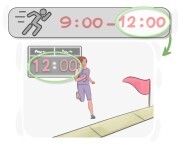
used to indicate that something should have happened or been done earlier
il était temps, ce n'était pas trop tôt
Il était temps que l'entreprise règle ce problème.
(of an activity, task, or process) taking up a significant amount of time, and therefore requiring a considerable amount of effort or patience
chronophage, long
Préparer l'audit annuel peut être chronophage, nécessitant une attention méticuleuse aux détails.
